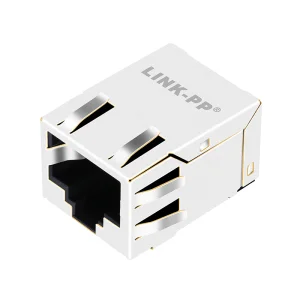
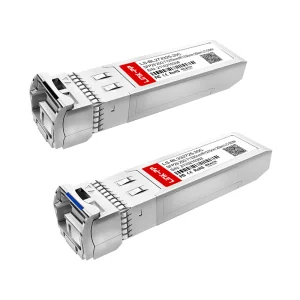
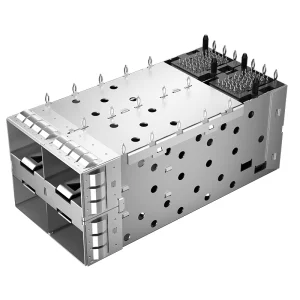
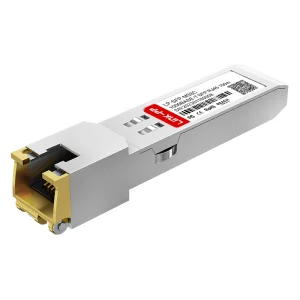
High-performance transceivers, integrated modular jacks, and custom RJ45 configurations designed for mission-critical enterprise infrastructure.
In the rapidly changing landscapes of global telecommunications, hyper-scale data centers, and advanced automation setups, the reliability of physical-layer interfaces determines system performance. The snap-in RJ45 connector has evolved from a simple mechanical interface into a complex component engineered for electromagnetic compatibility (EMC), signal integrity at gigabit speeds, and resilience under extreme physical stress.
Modern applications require modular RJ45 connectors to sustain transmission frequencies corresponding to Cat6A, Cat7, and even Cat8 standards. This necessitates integrated EMI shielding (metal cages with strategic EMI fingers) and precise routing layout configurations on the PCB side to prevent near-end crosstalk (NEXT) and return loss.
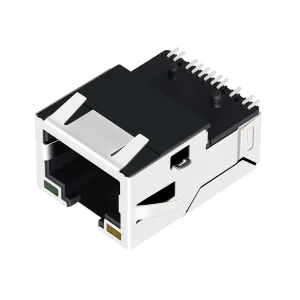
High-volume PCB assemblies rely heavily on Surface Mount Technology (SMT) and Press-Fit termination methods to reduce assembly costs and board errors. Manufacturers have engineered new snap-in connectors featuring high-temperature LCP housings that withstand lead-free reflow profiles, alongside precise co-planarity guarantees.
With the rise of IoT devices, PTZ cameras, and high-power wireless access points, PoE++ (802.3bt) delivers up to 90W of power over standard RJ45 ports. Connectors must use advanced contact designs with heavy gold plating (up to 50u") to mitigate spark damages during mating/unmating under load.
Procurement managers and engineering directors look beyond unit prices to assess the actual value of connectivity components.
Procuring components at an enterprise level requires balancing supply chain performance with technical accuracy. For critical network interfaces, components must meet strict standards such as IEEE 802.3 compatibility, REACH/RoHS compliance, UL flammability ratings, and specific mechanical metrics (like insertion/retention force). Choosing the right RJ45 connector manufacturer involves assessing their raw material supply chains, tooling precision, and capability to support custom OEM designs.
| Evaluation Parameter | Standard Requirement | Impact on Reliability | How to Audit Potential Suppliers |
|---|---|---|---|
| Contact Gold Plating | 15μ" to 50μ" Gold on Contact Area | Corrosion resistance, low contact resistance, high mating cycle life. | Request X-Ray Fluorescence (XRF) plating thickness reports. |
| Shielding Shell Material | Brass or Phosphor Bronze with Nickel plating | Effective grounding, EMI containment, physical structural stability. | Check salt-spray testing duration certifications (typically 48 hrs). |
| Housing Insulation Flammability | UL94 V-0 High-Temperature Thermoplastic | Safe behavior during high-temperature events and overload conditions. | Verify UL card registrations for raw plastic materials. |
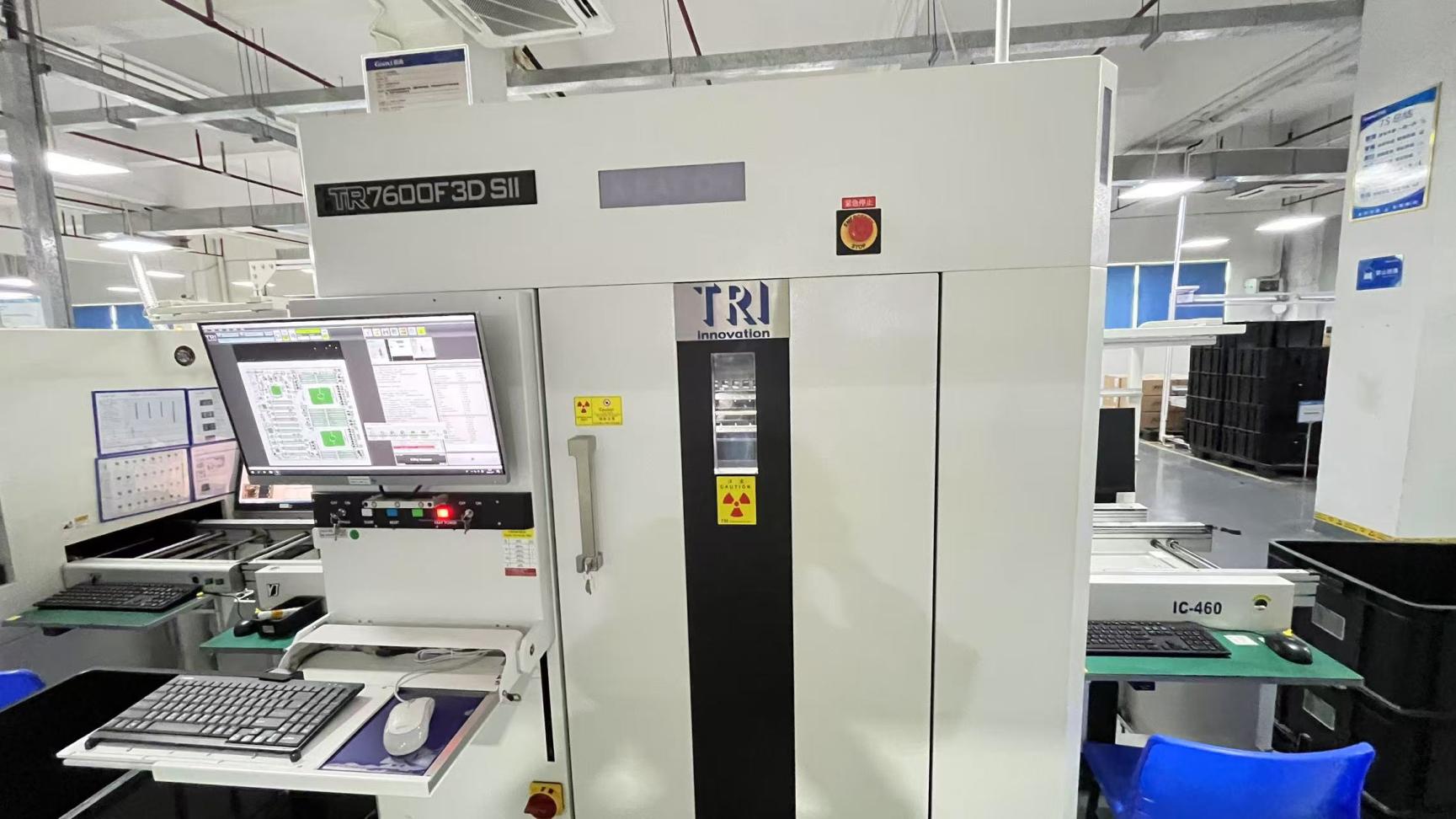
| Coplanarity Tolerances | < 0.1mm for SMT components | Prevents soldering issues and gaps during surface mount reflow. | Review inline 3D automated optical inspection (AOI) data. |
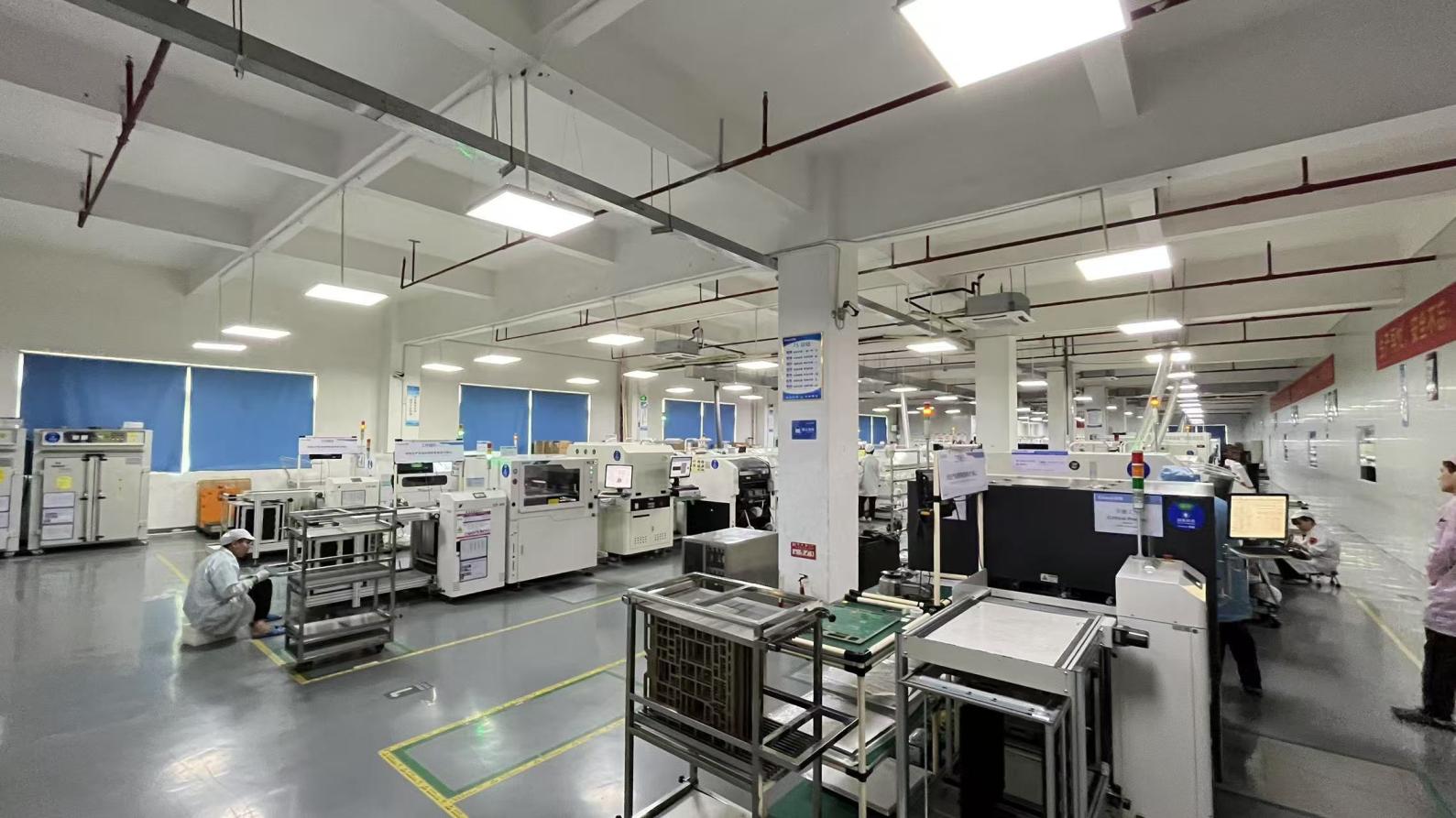
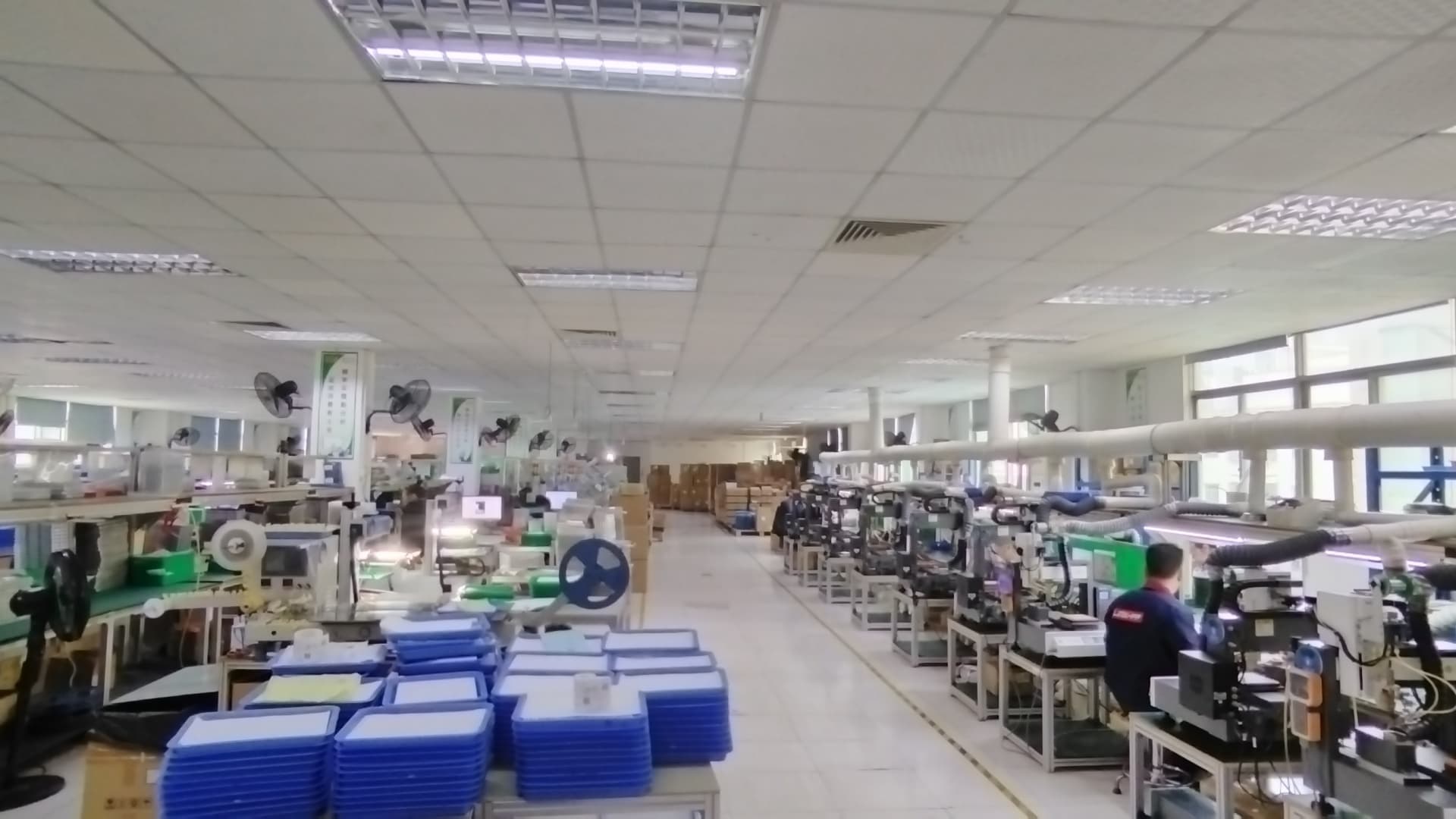
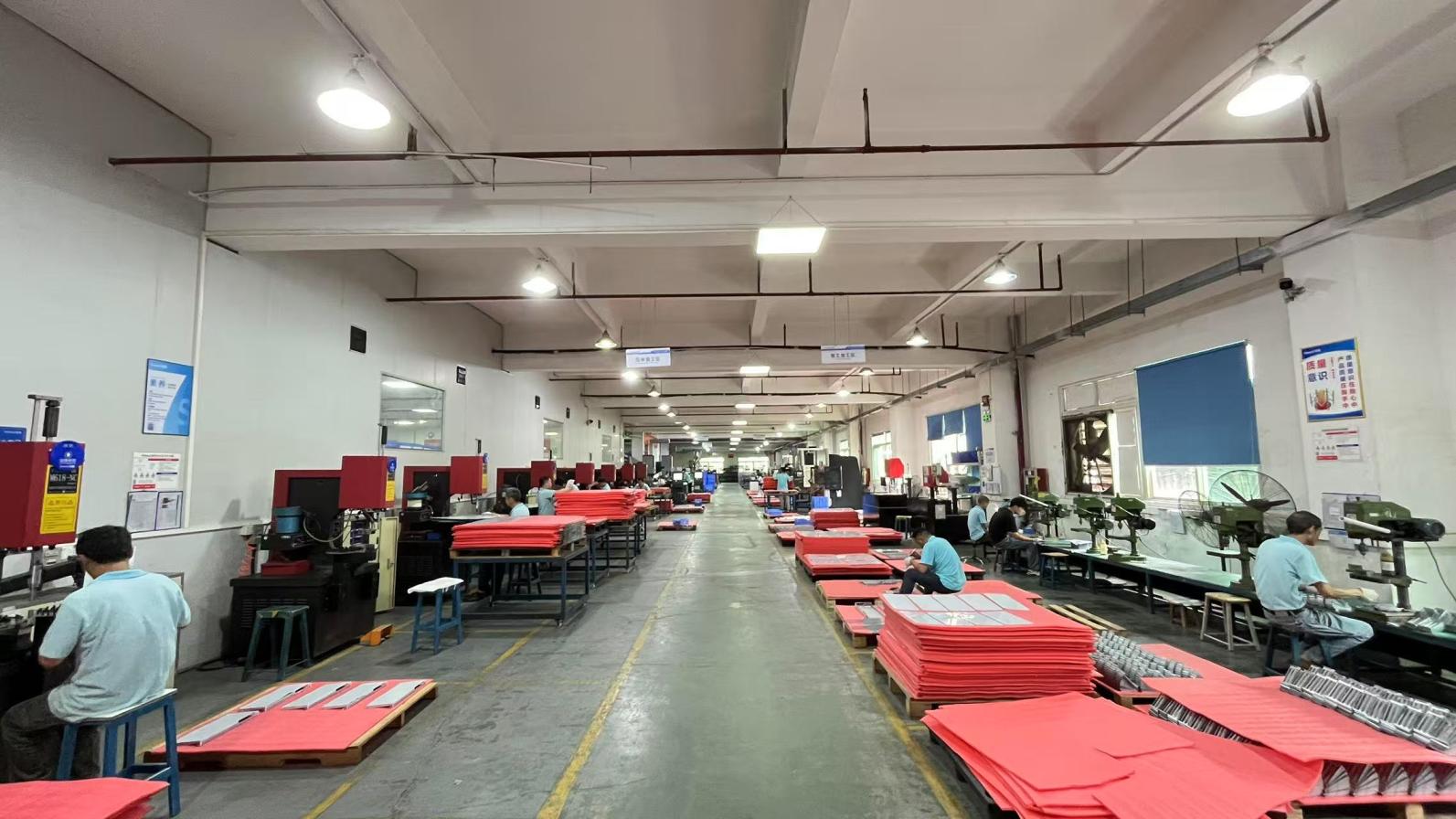
Modern Chinese connectivity factories have transitioned from basic labor assembly plants to automated, digitalized production facilities. Precision injection molding, high-speed stamping, automated packaging, and computerized quality checks ensure consistent performance across millions of parts. The integration of SMT, optical transceiver assembly, and high-frequency RF testing within single production zones simplifies supply chains and reduces delivery lead times.
This industrial infrastructure helps manufacturers manage component availability risks. By keeping raw material buffers, maintaining standardized mold components, and offering responsive engineering support, China-based exporters like FiberNova provide dependable supply lines for telecommunications, cloud service platforms, and industrial networking operations worldwide.
Established in 2016 – A trusted developer of high-speed transceiver modules and custom copper interconnect solutions.
FiberNova Optical Communication Tech Co., Ltd. (FiberNovaTransceivers.com) is a professional optical transceiver and connectivity manufacturer established in 2016, operating a modern production facility of approximately 380㎡. The company focuses on high-speed optical communication and physical network solutions, serving global data center and telecom customers with stable, high-performance products.
With over 6 years of export experience and 12 years of industry expertise, FiberNova has developed strong capabilities in R&D, manufacturing, and international trade. The company achieves an annual export revenue of approximately USD 8–15 million, supplying customers across North America, Europe, Southeast Asia, and the Middle East.
FiberNova operates with a strict quality control system, including 100% optical performance testing, temperature cycling tests, and signal integrity inspection before shipment. The quality assurance team consists of around 45 professional QC staff, ensuring every transceiver and modular connector meets international standards such as IEEE and MSA compatibility requirements.
The company maintains a solid trade background with experienced export teams handling OEM and ODM projects worldwide. Its main markets include the United States, Germany, Japan, South Korea, and the United Arab Emirates. FiberNova has established long-term partnerships with more than 1,200 supply chain partners, enabling stable procurement of chips, lasers, and optical components.
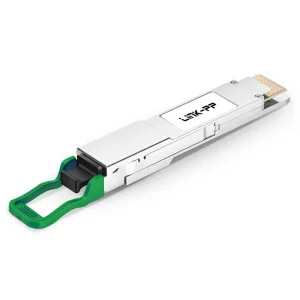
FiberNova serves a wide range of clients, including telecom operators, cloud service providers, data center integrators, and network equipment distributors. The company has strong R&D capabilities, supported by 65 engineers, focusing on high-speed transmission technologies such as 10G, 25G, 100G, 400G, and 800G optical modules. Customization is fully supported, including wavelength tuning, protocol compatibility, housing design, and labeling services. In the past year, FiberNova launched approximately 120 new products, continuously expanding its portfolio to meet fast-changing market demands.



Selecting modular snap-in configurations based on environmental and architectural parameters.
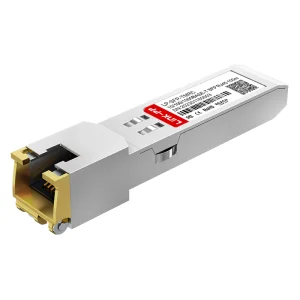
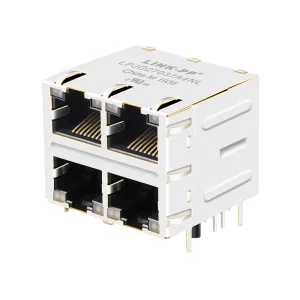
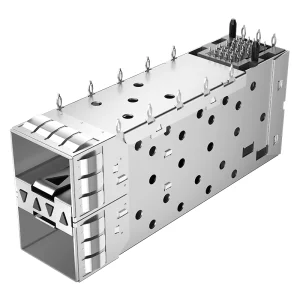
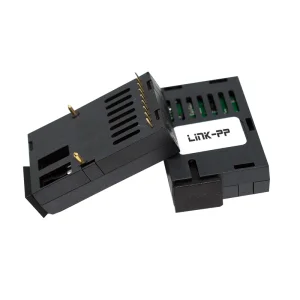
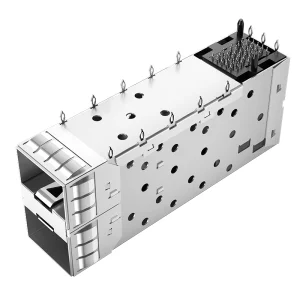
Modern data centers deploy hybrid copper-optical systems. For high-density top-of-rack switches, custom EMI-shielded SFP+ cages and copper transceivers run parallel with integrated magnetic RJ45 connectors to maintain zero packet drop rates.
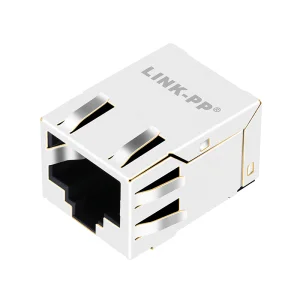
Factory floors present significant vibration and high electromagnetic interference. Snap-in RJ45 modular jacks with secure latch systems and thick gold-plated phosphor bronze pins prevent communication dropouts caused by mechanical movement.
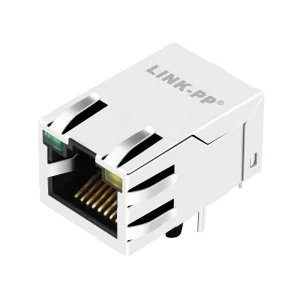
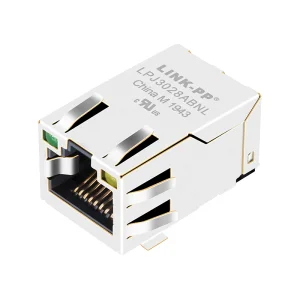
Telecommunications operators rely on modular configurations. Easy swapability, Tab-Up LED integration, and standardized PCB footprints enable quick field maintenance, reducing Mean Time to Repair (MTTR).
Answers to common engineering and procurement queries regarding RJ45 connectors and optical transceivers.
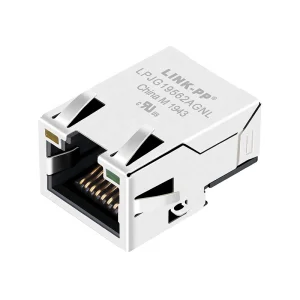
Integrated magnetic RJ45 connectors combine physical interface components with the isolation magnetics required by Ethernet PHY chips. This integration saves PCB real estate, improves EMI shielding by housing the magnetics inside the shielded metal cage, and reduces the complexity of trace routing on the board.
Gold is highly resistant to oxidation and wear. A gold plating thickness of 50 micro-inches (50u") is standard for industrial-grade connectors, offering reliable conductivity over more than 750 insertion cycles. For lighter consumer or indoor operations, 15u" or 30u" plating option provides a cost-effective alternative.
Surface Mount Technology (SMT) is ideal for automated, high-density pick-and-place assembly processes on modern PCBs. Through-hole components offer stronger mechanical anchorage, making them suitable for interfaces subject to frequent insertion and extraction forces, such as user-accessible RJ45 network jacks.
Every transceiver is tested on-site using the target brand's original switches (such as Zyxel, Cisco, Ubiquiti, and others). The EEPROM configuration is verified to confirm compatibility with the host hardware, avoiding compatibility alerts during operation.
Yes, our R&D engineering team of 65 specialists handles custom design requests (ODM), including modified LED configurations, tailored housing shapes for specific device footprints, and high-frequency internal magnetic adjustments.
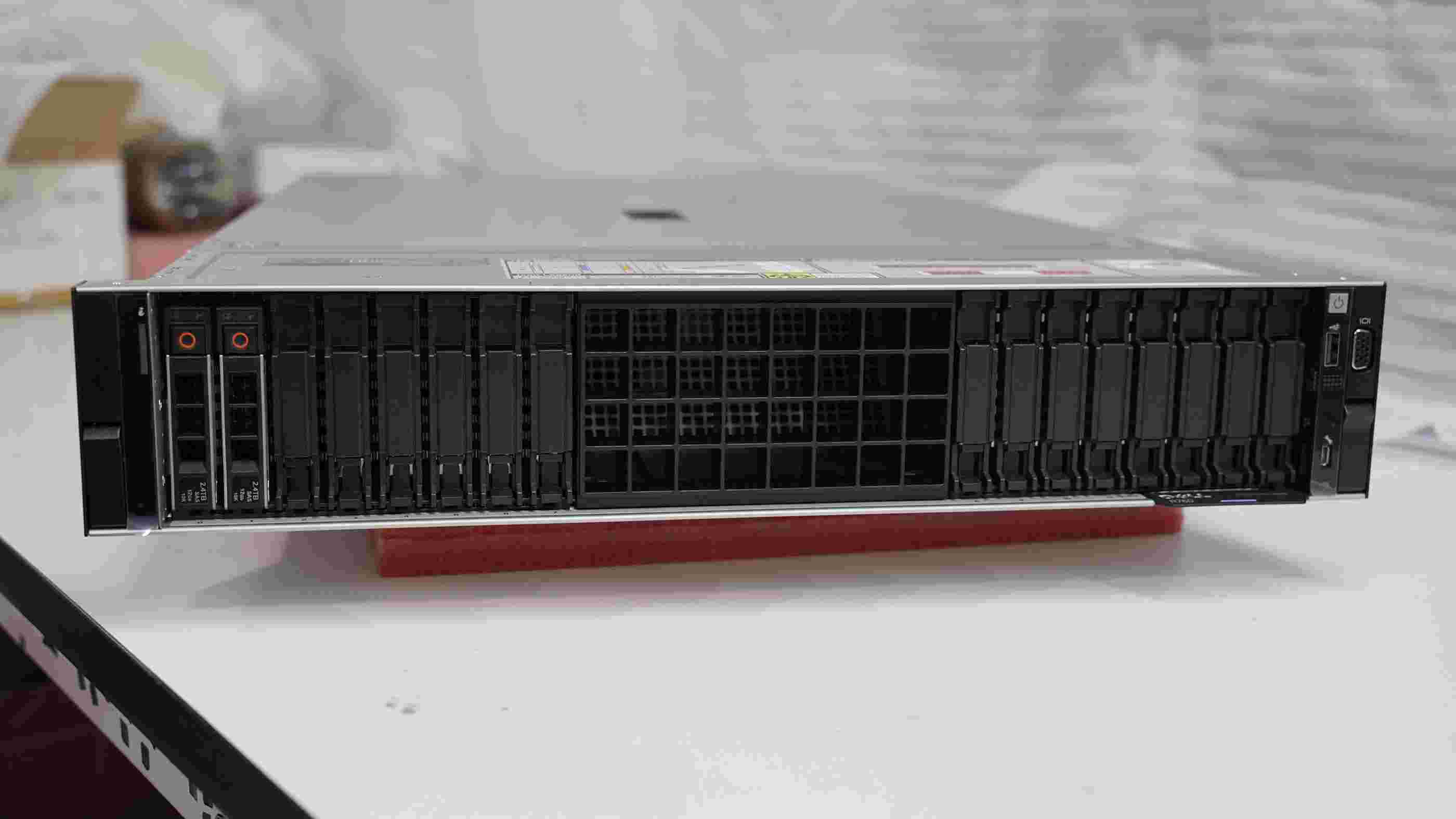
High-speed transceivers and connector components designed to scale server throughput and maintain signal integrity.
 FiberNova