Top 10 Panel Mount RJ45 Connector Supplier & Exporters

Comprehensive Industry Whitepaper & Global Sourcing Analysis for High-Performance Industrial Ethernet Connectivity

Featured Interconnect Products

High-speed, shielded, and integrated connector solutions engineered for data centers, telecommunications, and industrial automation networks.
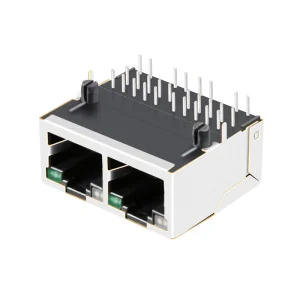
J0G-0001NL Ethernet RJ45 Connector
LAN Magnetics
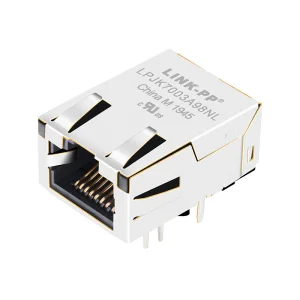
J0G-0001NL 10/100/1000 Base-t Tab up Ethernet Low Profile RJ45 Connector With Leds
View Details
HR911205C Single Port RJ45 Connector
Standard RJ45
HR911205C 10 / 100 Base-T Single Port Ethernet RJ45 Female Connector
View Details
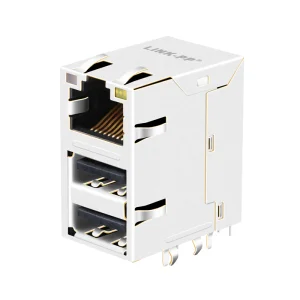
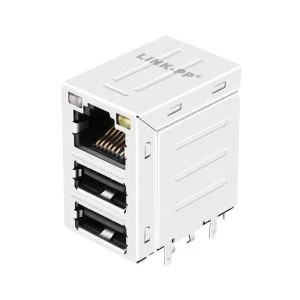
RJ45 Magnetic Module With Dual USB
Combo Jack
Single Port RJ45 Magnetic Module With Dual USB 0892-1GX1-62
View Details
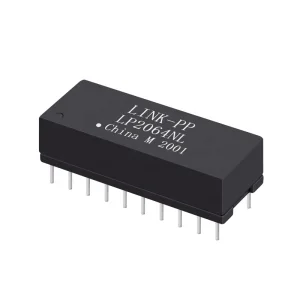
THT Dual Port Telecom Lan Transformer
Lan Transformer
THT Dual Port 10/100 BASE-T Telecom Lan Transformer LP2064NL
View Details
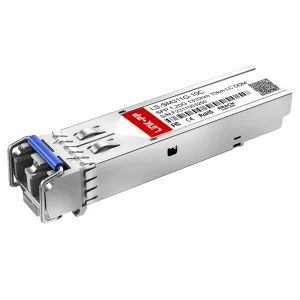
1.25G Optical Module
Fiber Transceiver
1000BASE-LX/LH SFP Transceiver 1310nm 10km DOM Duplex LC SMF 1.25G Optical Module
View Details
Integrated RJ45 USB Combo
Multi-port Combo
Integrated 1 Port RJ45 USB Combo C892-1XX1-62-F 0862-1L1T-43 C892-1L1T-62 C893-1RX1-62
View Details
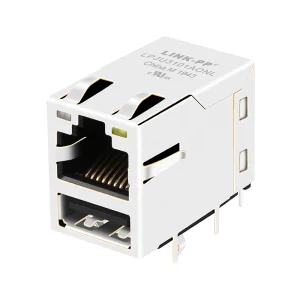
RJ45 Modular Jack Dual USB
Integrated Jack
With Dual USB 10/100 Base-T With Leds RJ45 Modular Jack LPJU5125BONL
View Details
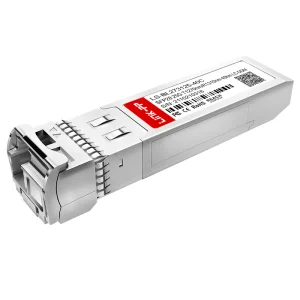
SFP28 25G BiDi Transceiver
High-Speed Optic
Bidirectional 1270nm-TX/1310nm-RX SFP28 25G BiDi Transceiver 40km Simplex LC SMF DDM Optical Module
View Details

1. Sourcing Trends in the Global Industrial Interconnect Market

The global industrial network hardware sector is experiencing an unprecedented structural shift. Modern smart factories, automated logistics nodes, edge computing boxes, and environmental control systems are increasingly demanding robust Ethernet connections. At the core of this transition is the Panel Mount RJ45 Connector—a critical mechanical and electrical interface that bridges internal printed circuit boards (PCBs) to external communication lines.

Historically, standard RJ45 connectors were designed for clean office environments. However, as the Industrial Internet of Things (IIoT) expands into harsh manufacturing floors, offshore wind farms, and transport systems, the requirements have risen. Engineering and procurement groups are shifting away from commercial-grade hardware to rugged, panel-mounted, shielded, and waterproof components. According to global research datasets, the industrial connector industry is expected to see a compound annual growth rate of over 6.8% through 2030, driven by the expansion of robotic automation, high-speed rail systems, and smart energy infrastructure.

"Sourcing professionals are no longer evaluating connectors solely on piece price. True component performance is now assessed on total lifecycle value, signal integrity preservation under electromagnetic stress, and sealing longevity against liquids and dust."

2. Technical Anatomy: What Makes an Industrial-Grade Panel Mount Connector?

To make an informed purchasing decision, it is essential to understand the technical specifications that separate low-cost, hobbyist-grade couplers from industrial-grade panel mount connectors. These configurations are designed for extreme environments:

  • Shielding Effectiveness (EMI/RFI protection): Industrial lines run next to high-voltage power runs, heavy servo motors, and switching cabinets. Without 360-degree metal shielding (typically tin or nickel-plated brass), electromagnetic interference will degrade data transmission, resulting in packet loss and system delays.
  • Ingress Protection (IP Ratings): Outdoor telecom enclosures, marine dashboards, and food processing lines need protection against dust and water. IP67 (dust-tight, immersion up to 1 meter) and IP68 (continuous immersion under pressure) housings prevent corrosion of the delicate copper contact pins.
  • Contact Plating and Materials: The thickness of the gold plating on the contact pins dictates the longevity and reliability of the physical connection. Standard connectors use flash gold, whereas industrial models specify 30 micro-inches (μ") or 50 micro-inches of gold over nickel to maintain low contact resistance over 750+ mating cycles.
  • Threaded vs. Bayonet Coupling Mechanisms: Mechanical vibration can slowly disconnect latching tabs on standard RJ45 patches. Panel-mounted configurations resolve this through heavy-duty circular metal shell structures utilizing either threaded locks or quick-disconnect bayonet couplers.
Standard / Feature Commercial RJ45 Patch Industrial Panel Mount (IP67/68) FiberNova Telecom Integrated Jacks
Mating Durability <200 cycles >750 cycles >1000 cycles
Shielding Method Optional thin foil (UTP/STP) Full metal wrap, 360-degree ground Fully integrated magnetic shielding / EMI cages
Environmental Sealing None (IP20) IP67 / IP68 dust & waterproof N/A (Designed for controlled internal rack setups)
Primary Application Office networks, desktop switches Outdoor cabinets, industrial CNCs Data centers, high-speed telecom switches

3. China's Factory Advantages: Delivering Efficiency & Quality

When analyzing global suppliers and exporters, China remains at the center of the electronics manufacturing services (EMS) supply chain. The historical perception that Chinese factories only compete on cost is outdated. Today, Chinese connector manufacturers lead the industry through advanced technical integration and logistics hubs in Guangdong, Zhejiang, and Jiangsu.

The true efficiency advantage lies in supply chain consolidation. Within a 50-kilometer radius of major manufacturing hubs, factories have direct access to raw copper refining, high-precision plastics injection molding, gold electroplating plants, high-speed automated pin insertion shops, and specialized testing labs. This geographical concentration allows for rapid design cycles: custom molding projects that would require 12 to 16 weeks in Europe can be prototyped, tested, and mass-produced in China in under 4 to 6 weeks.

Additionally, the implementation of automated optical inspection (AOI) machines, automated network analysis testing, and real-time ERP-tracked production lines ensures that Chinese exporters maintain consistent compliance with RoHS, REACH, CE, and UL standards, making them key partners for multinational corporations.

4. Global Procurement Checklist for RJ45 & Transceiver Integration

For enterprise procurement managers and systems architects, selecting a supplier requires checking several key factors to protect production schedules and ensure product longevity:

  • Verification of Electrical Performance: Request network analyzer test data demonstrating margin allowances for Category 5e, Category 6, or Category 6A specifications. Check for Near-End Crosstalk (NEXT) and Return Loss metrics.
  • Environmental Resilience Compliance: Request documentation showing UL94 V-0 flame retardancy, UV resistance certificates for outdoor-mounted plastic components, and salt-spray test records for marine applications.
  • Vendor Compatibility (MSA Standards): In high-speed networks where optical fiber systems interface with copper interfaces, ensure that transceivers and SFP cages conform to multi-source agreements (MSAs) to prevent hardware configuration issues.
  • Production Scalability: Verify that the exporter has sufficient tooling lines and automated inspection systems to handle sudden demand changes without sacrificing quality.
2016
Year of Establishment
USD 15M
Peak Annual Export Revenue
45+
QC Testing Professionals
1,200+
Global Supply Partners

5. Deep Dive: FiberNova Optical Communication Tech Co., Ltd.

As a prime example of a modern, quality-focused manufacturer, FiberNova Optical Communication Tech Co., Ltd. (FiberNovaTransceivers.com) represents the new wave of high-end Chinese communication equipment suppliers. Established in 2016, FiberNova operates a high-precision, cleanroom assembly and testing facility spanning approximately 380㎡. The company has dedicated itself to high-speed optical and copper communication solutions, serving data center, telecom infrastructure, and industrial networking customers worldwide.

With over 6 years of export experience and 12 years of industry expertise, FiberNova has integrated research and development, manufacturing, and global trade into a streamlined process. This allows them to achieve an annual export revenue of USD 8–15 million, supplying tier-1 customers across North America, Europe, Southeast Asia, and the Middle East.

Quality assurance is central to FiberNova's operations. The quality assurance team consists of around 45 professional QC staff who oversee a multi-stage validation system. This includes 100% optical performance testing, temperature cycling tests, and signal integrity inspections before any shipment leaves the warehouse. This ensures full compliance with international standards, IEEE benchmarks, and MSA compatibility requirements.

FiberNova has established long-term partnerships with more than 1,200 supply chain partners, enabling stable procurement of high-grade lasers, silicon chips, photodetectors, and mechanical connector shells. Backed by 65 R&D engineers, the company supports complex OEM and ODM customization requests. In the past year alone, FiberNova introduced 120 new products, keeping pace with the technical demands of 10G, 25G, 100G, 400G, and even 800G optical and copper layouts.

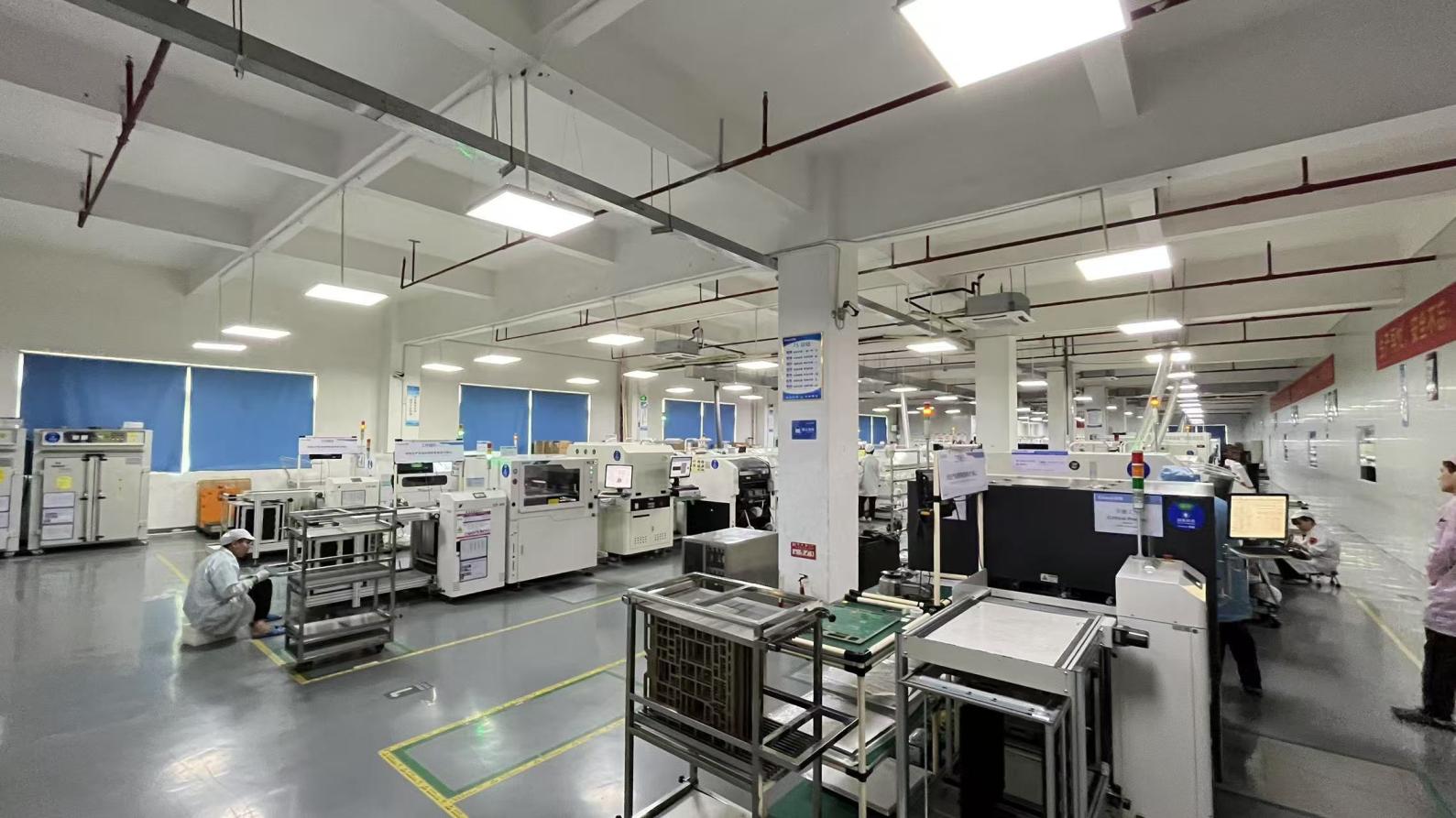
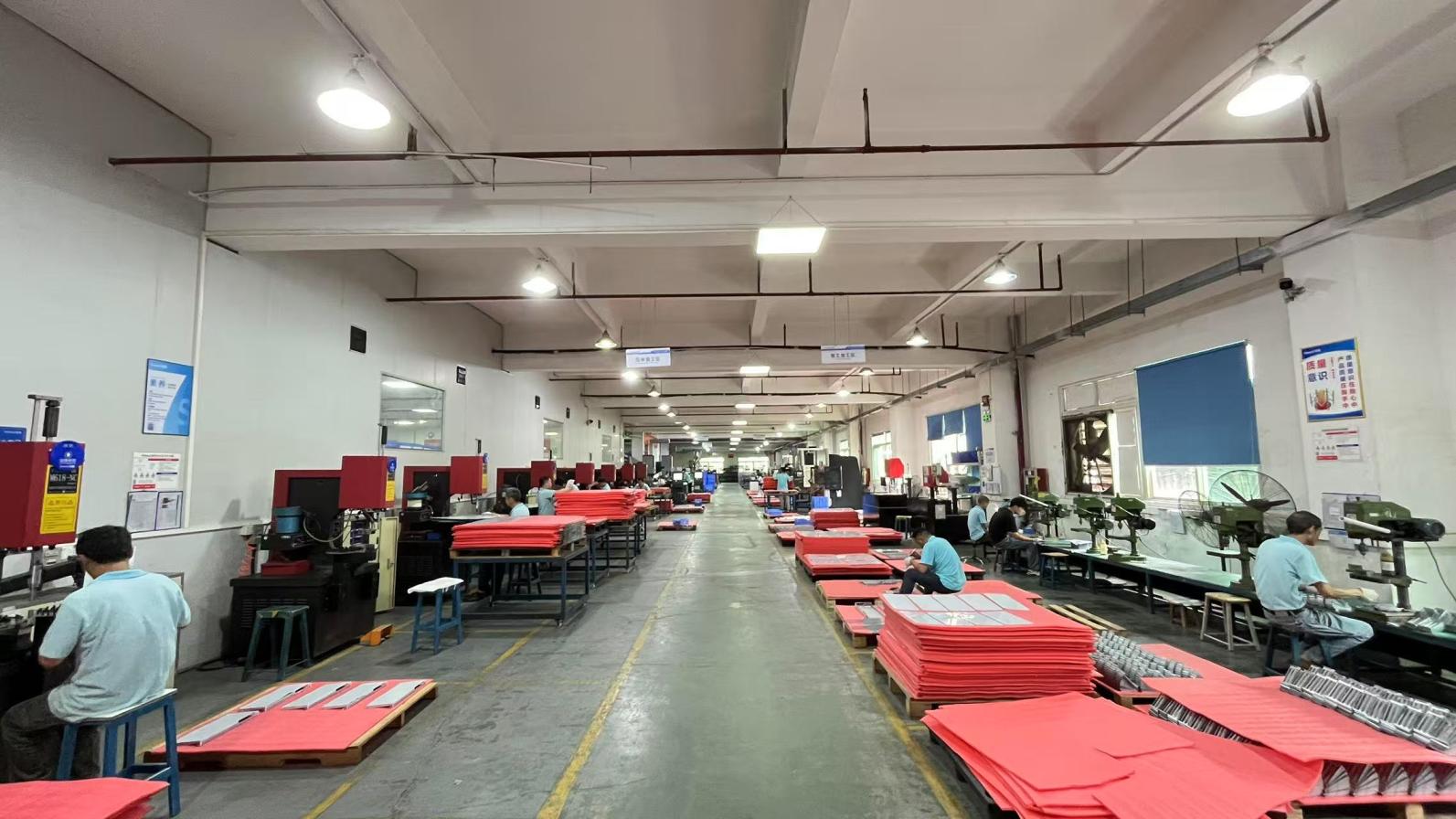
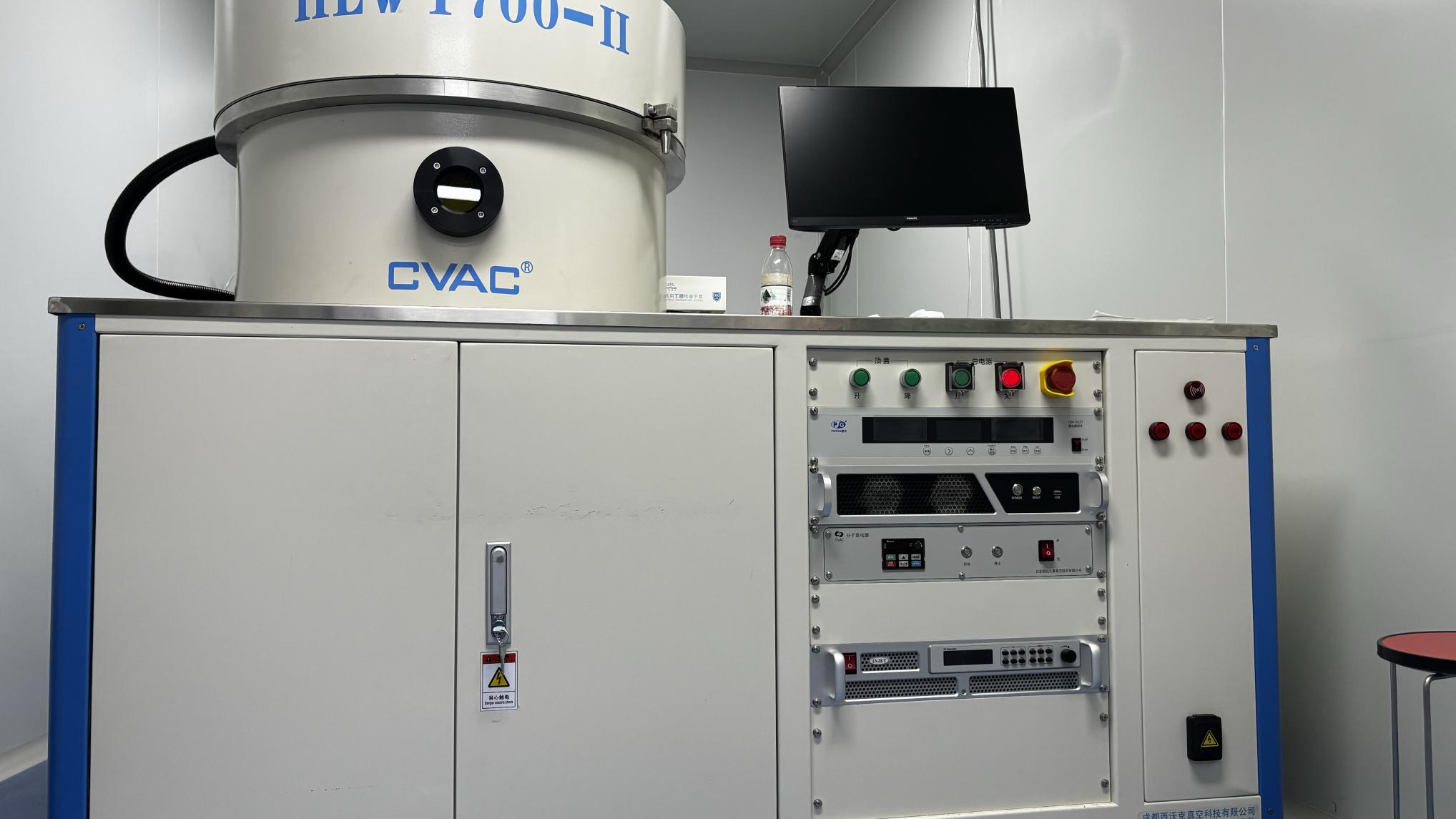
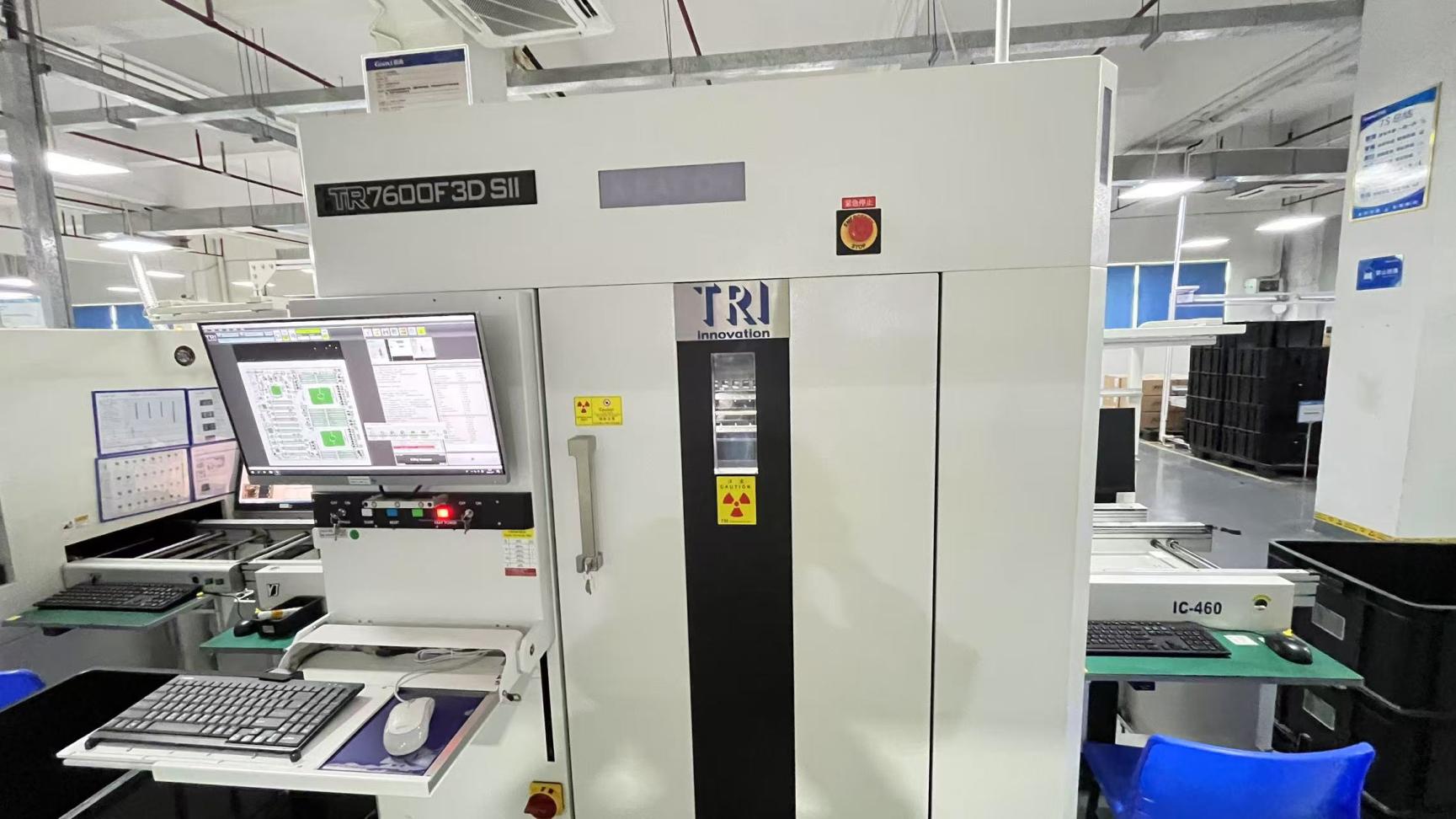
Production & Quality Control Facilities

A visual walk-through of the manufacturing assembly lines, testing setups, and packaging areas ensuring zero-defect exports.
6. Technical FAQ: Addressing Sourcing & Design Concerns

Detailed answers to technical questions commonly raised by system designers, telecom engineers, and sourcing professionals.

Q1: What are the differences between CAT5e, CAT6, and CAT6A panel mount RJ45 connectors?
CAT5e supports speeds up to 1 Gbps at 100 MHz bandwidth, which is sufficient for legacy sensor networks. CAT6 supports up to 10 Gbps for short distances (up to 37–55 meters) at 250 MHz. CAT6A supports a full 10 Gbps line speed at 500 MHz frequencies up to 100 meters, utilizing advanced internal crosstalk isolation. For future-proofing industrial lines, CAT6A or CAT8 is highly recommended.
Q2: Why is metal shielding essential for panel-mounted RJ45 jacks?
Industrial panels house power supplies, speed drives, and multi-phase electrical lines. Unshielded twisted pair (UTP) connectors act like antennas, picking up electromagnetic interference (EMI). Shielded (STP) connectors feature a continuous conductive metal path from the patch cable ground wire to the panel chassis, directing EMI away from signal paths to prevent network drops.
Q3: What parameters define a true IP67 or IP68 waterproof RJ45 connector?
To achieve IP67/68 protection, the connector must feature a sealed compression gasket at the panel cutout, together with a threaded or bayonet locking cap. This cap uses rubber O-rings (typically silicone or EPDM) to compress around the matching plug, preventing water ingress under washdown pressures or deep immersion.
Q4: How does pin gold plating thickness affect lifecycle costs in factory environments?
Gold is resistant to oxidation and maintains low electrical resistance over time. Industrial environments are often exposed to corrosive airborne chemicals, humidity, and vibration. A thicker layer of gold (30μ" to 50μ") prevents the underlying nickel-bronze base metal from wearing through during mating cycles, which could otherwise lead to signal degradation.
Q5: What advantages do magnetic RJ45 connectors (MagJacks) offer over simple feedthrough connectors?
Magnetic RJ45 connectors integrate isolating LAN transformers and common-mode chokes directly inside the connector housing. This filters out high-frequency noise and protects delicate internal microprocessors from electrostatic discharge (ESD) and voltage spikes on the external line.
Q6: How do FiberNova transceivers interface with copper RJ45 connector networks?
In hybrid architectures, fiber optic links handle long-distance backbone distribution, while copper RJ45 networks handle local drops. FiberNova designs MSA-compliant SFP/SFP+ optical modules that convert light signals directly to 10G-BASE-T RJ45 copper ports, allowing legacy copper infrastructure to interface with high-performance optical switches.

Additional High-Performance Connectors & Transceivers

Discover our full range of SFP cages, LAN filters, low-profile jacks, and high-bandwidth optical transceiver modules.
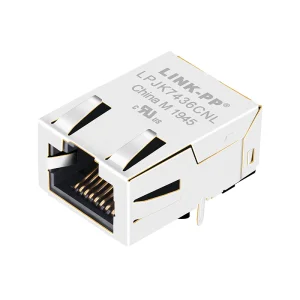
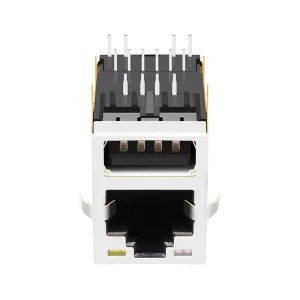
Low Profile Female RJ45 Connector
Low Profile
L8AL-1X1T-32A 10/100/1000 Base-t Magnetic Ethernet Low Profile Female RJ45 Connector Without Leds
View Details
Magnetic USB RJ45 Connector
USB/RJ45 Combo
7497011611A 10/100 Base-t Tab up Magnetic USB RJ45 Ethernet Female RJ45 Connector With Led
View Details
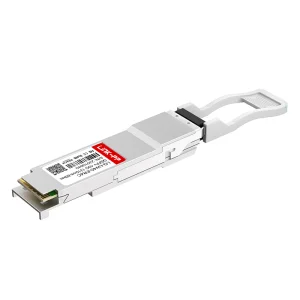
QSFP+ 40G 80km Optical Transceiver
QSFP+ Module
Single Mode Fiber Optic Transceiver Module Duplex LC 1310nm SMF QSFP+ 40G 80km
View Details
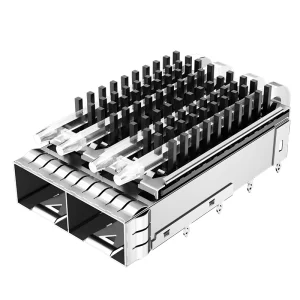
SFP+ Press-Fit Cage
SFP+ Cages
2198226-2 TE Compatible Ganged 1x2 Ports Light Pipe Press-Fit SFP+ Cage With Heatsink
View Details
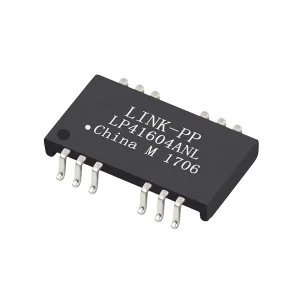
SMD Lan Filter
LAN Transformer
H81621S 10/100 Base-T SMD Lan Filter Ethernet Transformer
View Details
100G QSFP28 Transceiver
QSFP28 Module
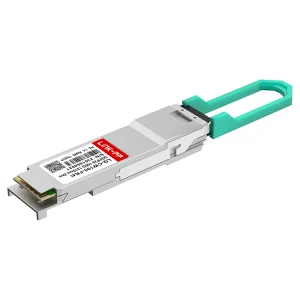
100GBASE-CWDM4 QSFP28 100G 1310nm 2km Duplex LC SMF Optical Transceiver Module
View Details
TE Compatible Press-Fit SFP Cage
EMI Shielding
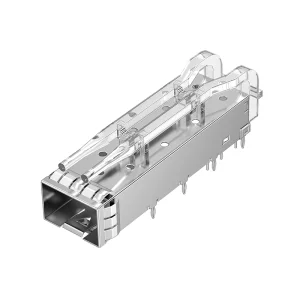
2007254-1 TE Compatible Through Hole EMI Shielded Press-Fit SFP+ Cage With Light Pipe
View Details
Internet Fiber Optic Equipment SFP Module
Transceiver Jack
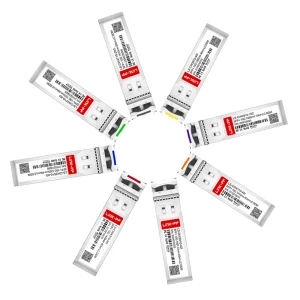
Multimode Single Mode Fiber Optical Transceiver Internet Fiber Optic Equipment Sfp Sfp+ Module
View Details