China Top SFP Connector Interface Exporter & Exporters

Precision Engineering, MSA Compatibility, and High-Speed Signal Integrity for Data Centers and Global Telecom Carriers.

Precision High-Speed Interfaces

Explore our engineered optical and electrical SFP interface solutions optimized for low attenuation and high density.
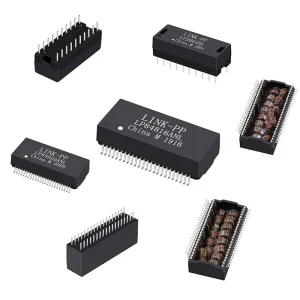
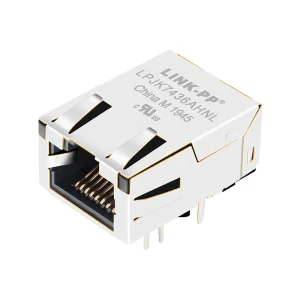
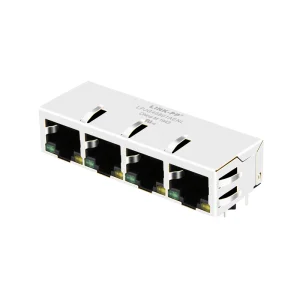
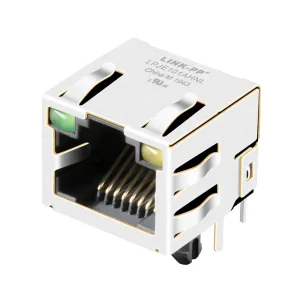
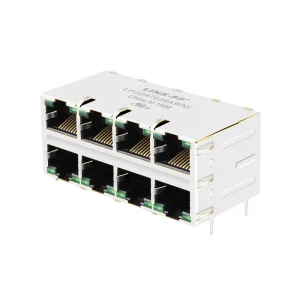
LPJG46801AENL 1000 Base-T 1X4 Port
LPJG46801AENL 1000 Base-T 1X4 Port 10P8C Magnetic Ethernet RJ45 Connector
View Specifications
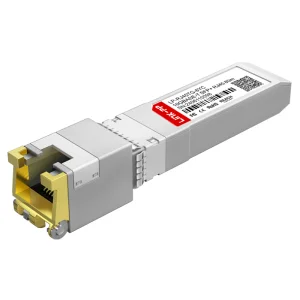
10GBASE-T SFP+ Copper RJ-45 Module
10GBASE-T SFP+ Copper RJ-45 80m Fiber Optical Transceiver Module
View Specifications
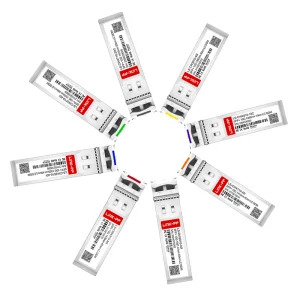
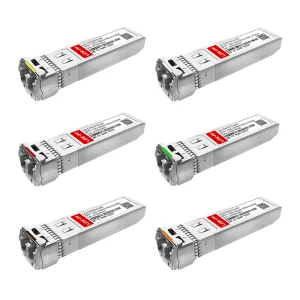
Single Mode 10G CWDM SFP+ Module
Single Mode 10G CWDM SFP+ Module 20km Duplex LC SMF Optical Transceiver Module
View Specifications
1000Base-T Telecom Network Transformer
1000Base-T Telecom Network Transformer HST-48006SR / HST-48029SCR / HST-48030SCR
View Specifications
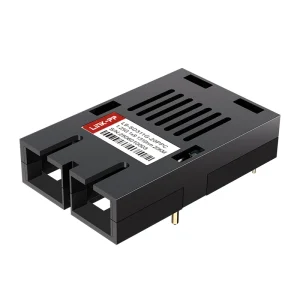
Single Mode 1.25G 1310nm 1x9 Transceiver
Single Mode 1.25G 1310nm Duplex SC 20km SMF 1x9 Optical Transceiver
View Specifications
XRJM-S-01-8-8-X-F2 8P8C Shielded Ethernet
XRJM-S-01-8-8-X-F2 8P8C Shielded Ethernet RJ45 Modular Jack Price
View Specifications
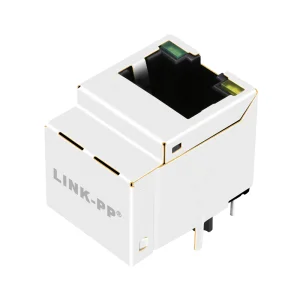
L869-1A1T-32 Low Profile RJ45
L869-1A1T-32 L834-1G1T-S7 Tab up 10/100/1000 Base-t Low Profile RJ45 Connector With Leds
View Specifications
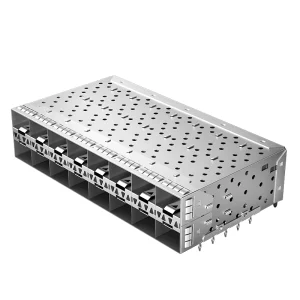
TE Replacement Through Hole SFP Cage
2169788-1 TE Replacement Through Hole 320P 2x8 Ports Press-Fit SFP+ Cage With Light Pipe
View Specifications

Comprehensive Analysis of SFP Connector Interfaces in Modern Telecom

In the rapidly accelerating landscape of high-speed data transmission, the Small Form-Factor Pluggable (SFP) connector interface remains the cornerstone of modular network architecture. It functions as the physical and electrical bridge between high-speed logic circuits on motherboards and fiber-optic or copper physical transport media. As data demands scale from 1G and 10G to advanced 25G, 100G, and even Co-Packaged Optics configurations, selecting standard-compliant, thermally optimized SFP connector interfaces is paramount.

At FiberNova Optical Communication Tech Co., Ltd. (FiberNovaTransceivers.com), we bridge the gap between optical engineering excellence and mass-scale production. Established in 2016, our organization is structured to respond to the demanding tolerances of multi-source agreements (MSAs). Our 12 years of industry expertise and 6 years of deep export experience have culminated in a specialized manufacturing operation built on mechanical integrity and superior electromagnetic interference (EMI) containment.

"An SFP connector interface is not simply a physical mechanical socket. It is an optimized transmission line segment where parasitics must be minimized, impedance matched to 100 ohms differential, and crosstalk managed below critical threshold levels."

Key Performance Parameters

  • Impedance Match: Strict 100Ω ±10% differential tolerance to prevent signal reflection.
  • EMI Mitigation: Elastomeric gaskets or metal spring fingers to meet FCC Part 15 and CE EN 55032.
  • Thermal Dissipation: Built-in airflow channels and press-fit compatibility for dense line card configurations.
  • Insertion Cycling: Guaranteed durability rating of at least 250 mating cycles without degradation of physical pins.

China Factory & Supply Chain Infrastructure

Robust capacity, advanced engineering, and strict validation frameworks optimized for global demand.

2016 Established Year
12+ Yrs Industry Expertise
65 R&D Engineers
45 QA/QC Staff
120+ New Products Annually
1,200+ Supply Chain Partners

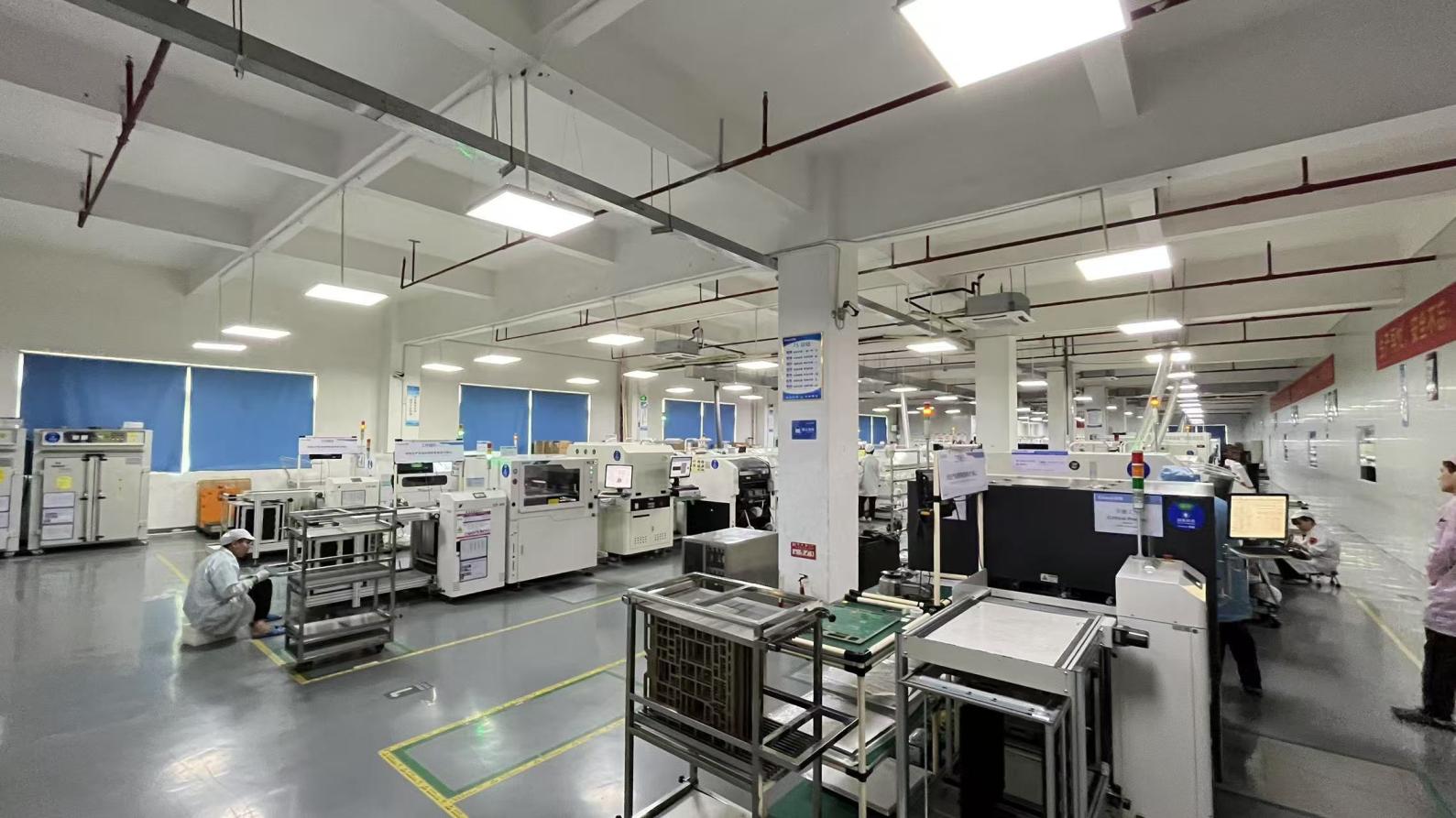
Operating out of our modern, highly optimized production facility covering approximately 380㎡, FiberNova operates under lean manufacturing principles. While cleanroom floor space is strictly calibrated for precision assembly, packaging, and high-frequency testing, the real scale of our operation lies in our dense integration with over 1,200 upstream and downstream supply chain partners. This robust network ensures uninterrupted sourcing of key raw components—such as optical sub-assemblies (TOSA/ROSA), VCSEL and DFB lasers, and advanced microchips—guaranteeing stable, uninterrupted manufacturing cycles.

FiberNova achieves an annual export volume ranging from USD 8 million to 15 million. This export capacity is backed by systematic investments in automated assembly equipment, wire bonding, optical alignment systems, and rigorous electrical validation tools. Our 65 dedicated R&D engineers continuously expand our technology portfolio. By releasing approximately 120 new products per fiscal year, we keep pace with the rapidly changing multi-vendor and high-density telecom standards.

Localization Support & Regulatory Compliance

For tier-1 telecom operator projects and critical cloud environments across the United States, Germany, Japan, South Korea, and the United Arab Emirates, shipping a physical product is only half the battle. Global enterprises require strict compliance validation, multi-vendor interoperability, and local integration engineering.

Strict Regulatory Compliance

All hardware complies with international environmental and electrical directives, including RoHS 2.0 (2011/65/EU), REACH, and CE/FCC Part 15 certifications. This guarantees importability and high-level safety within mission-critical facilities.

Multi-Vendor EEPROM Coding

Our R&D facility has developed a proprietary multi-vendor compatibility matrix database. We write and verify specific software signatures on the EEPROM (A0h/A2h memory pages) of each module to circumvent host-platform lockouts on Cisco, Juniper, HPE, Arista, and Huawei platforms.

100% Performance Screening

With a quality team containing 45 professional QC staff, we reject batch sampling in favor of 100% optical eye-diagram inspection, BERT (Bit Error Rate Testing) sweeps, thermal stress profiling, and signaling validation.

Quality Assurance Verification Flow

Every SFP interface assembly, cage, and optical transceiver leaves the FiberNova facility only after proceeding through a documented quality checklist:

Inspection Stage Test Parameters Checked Target Threshold / Compliance Standard Methodology
Incoming Quality Control (IQC) Connector pin plating thickness, mechanical cage dimension tolerances, laser diode raw emission profile. MSA standard mechanical envelope (SFF-8432 / INF-8074i). Automated Optical Inspection (AOI) & X-ray fluorescence plating validation.
In-Process Quality Control (IPQC) PCB solder joint integrity, optical wire bonding alignment, firmware version control. IPC-A-610 Class 3 (high-reliability electronic products). Inline 3D Solder Paste Inspection & high-magnification microscopy.
Final Quality Control (FQC) Optical Tx Power, Rx Sensitivity, Center Wavelength, extinction ratio, eye-mask margin, DOM validation. IEEE 802.3ba/ae/by specifications. BER < 10^-12. Anritsu/Keysight optical analyzers & digital communications analyzers.
Out-of-Box Reliability (OQA) System-level host compatibility, hot-swap cycling performance, physical packaging integrity. Zero-defect operational reliability on target customer hardware models. Live multi-vendor switch-chassis test racks (Cisco, Juniper, Arista).

SFP Connector Interfaces: Application Environments & Tech Trends

Because physical environment shapes hardware failure modes, our SFP interfaces and cages are engineered for specific stress profiles. We design SFP interfaces for several global topologies:

1. Edge & Hyperscale Data Centers

Demands high packing densities and minimal power budgets. Our SFP+ and QSFP28 interfaces utilize advanced material cages to ensure that ambient airflow keeps the transceiver operating temperature below 70°C, extending laser diode lifespan.

2. 5G RAN Fronthaul / Backhaul

Exposed to raw environmental elements in remote radio heads (RRH). Our industrial-temperature (I-Temp) SFP modules and rugged connectors function reliably between -40°C and +85°C, with added moisture-resistant hermetic sealing.

3. Enterprise Network Infrastructures

Relies heavily on copper legacy infrastructure. Our specialized 10GBASE-T SFP+ copper modules provide 80-meter transmission over Cat6a cabling, featuring advanced PHY chips for low power consumption and EMI shielding.

Global Tech Trends Shaping the Future

As optical networks transition to PAM4 (Pulse Amplitude Modulation 4-Level) coding scheme and coherent transmission, the standard SFP form factor is evolving:

  • From SFP+ to SFP-DD (Double Density): Expanding physical copper contact pins from 20 to 40, enabling dual-lane data rates up to 50G or 100G per port while maintaining backwards mechanical compatibility.
  • Co-Packaged Optics (CPO) Alignment: Designing SFP interfaces that serve as External Laser Sources (ELS), keeping heat-generating laser elements isolated from high-density switching silicon.
  • Integration of Silicon Photonics: Transitioning from discrete VCSEL/DFB packaging to integrated PICs (Photonic Integrated Circuits) directly within the SFP module frame, reducing BOM complexity and lowering costs for global procurers.

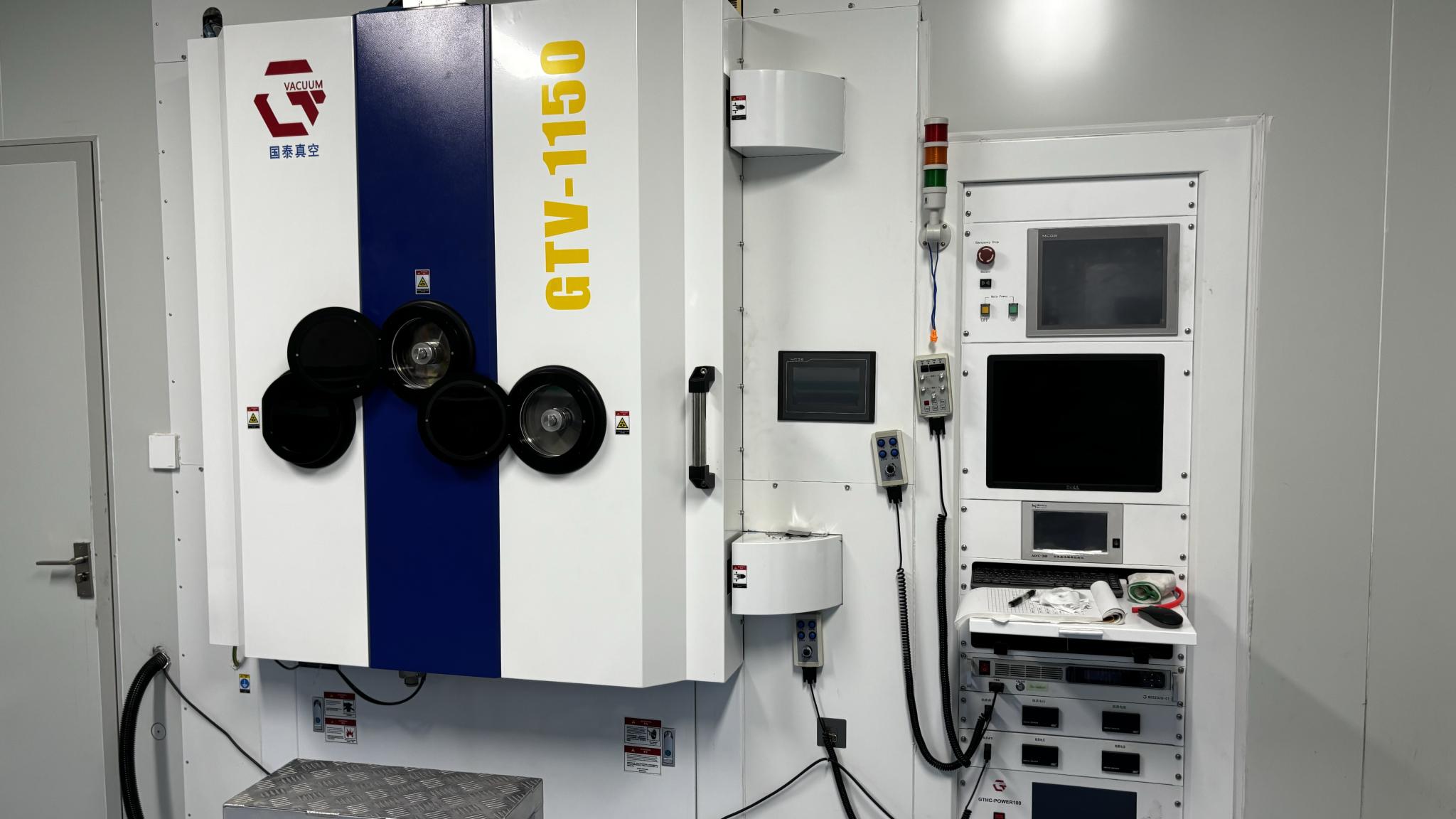
Advanced Manufacturing & Testing Facility

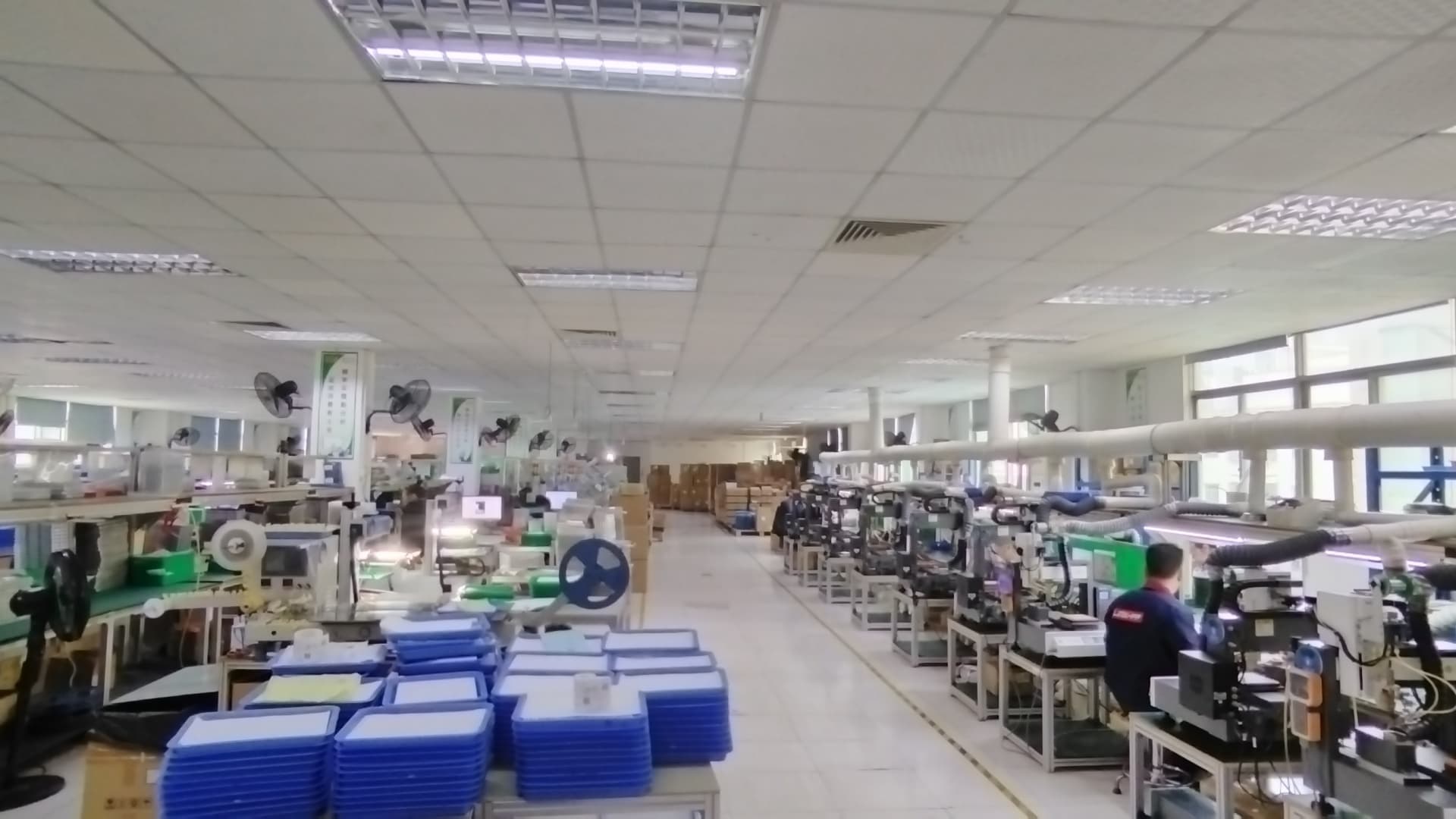
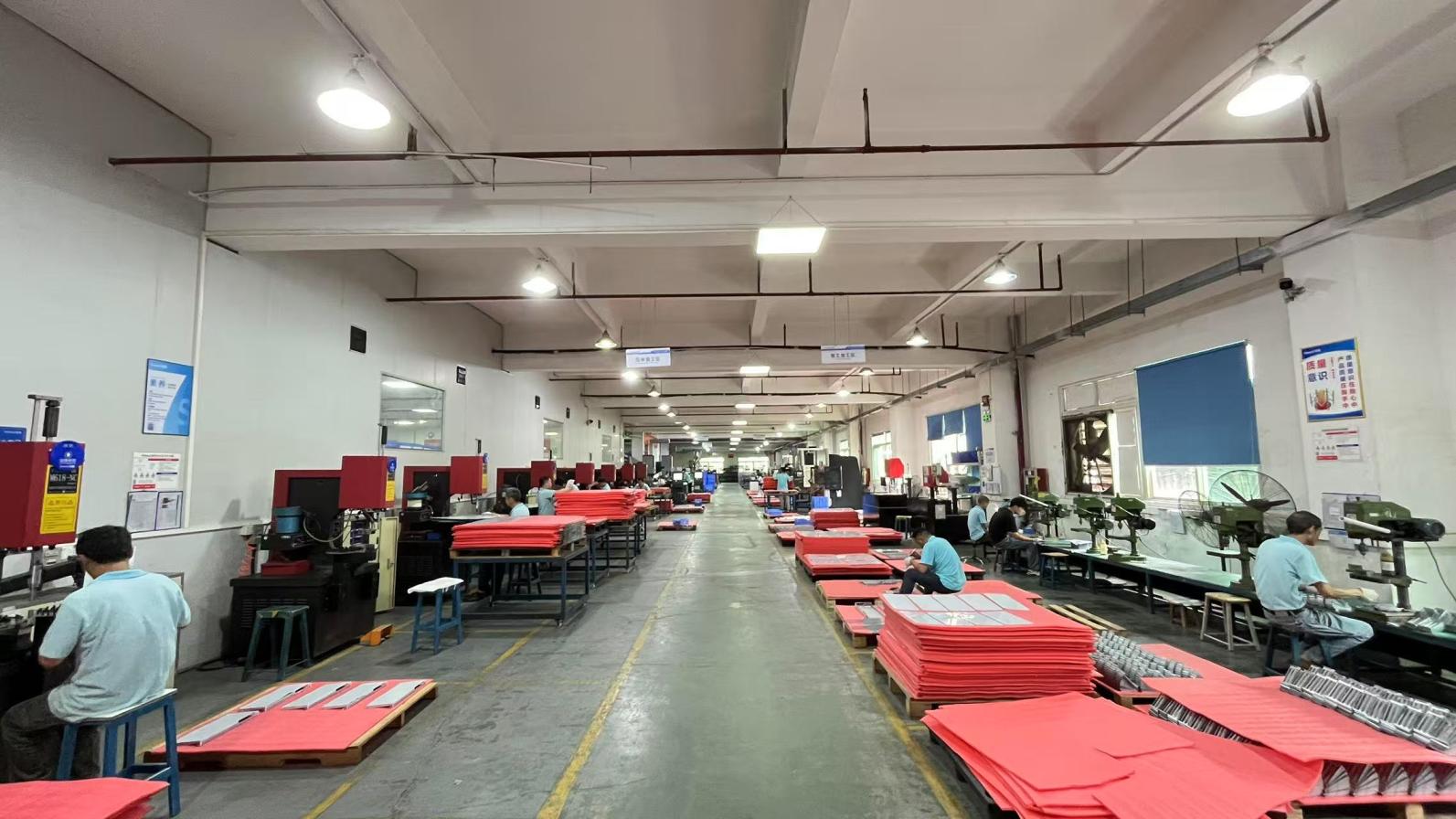
A look inside our 380㎡ precision optical assembly, alignment, and quality control facility in China.
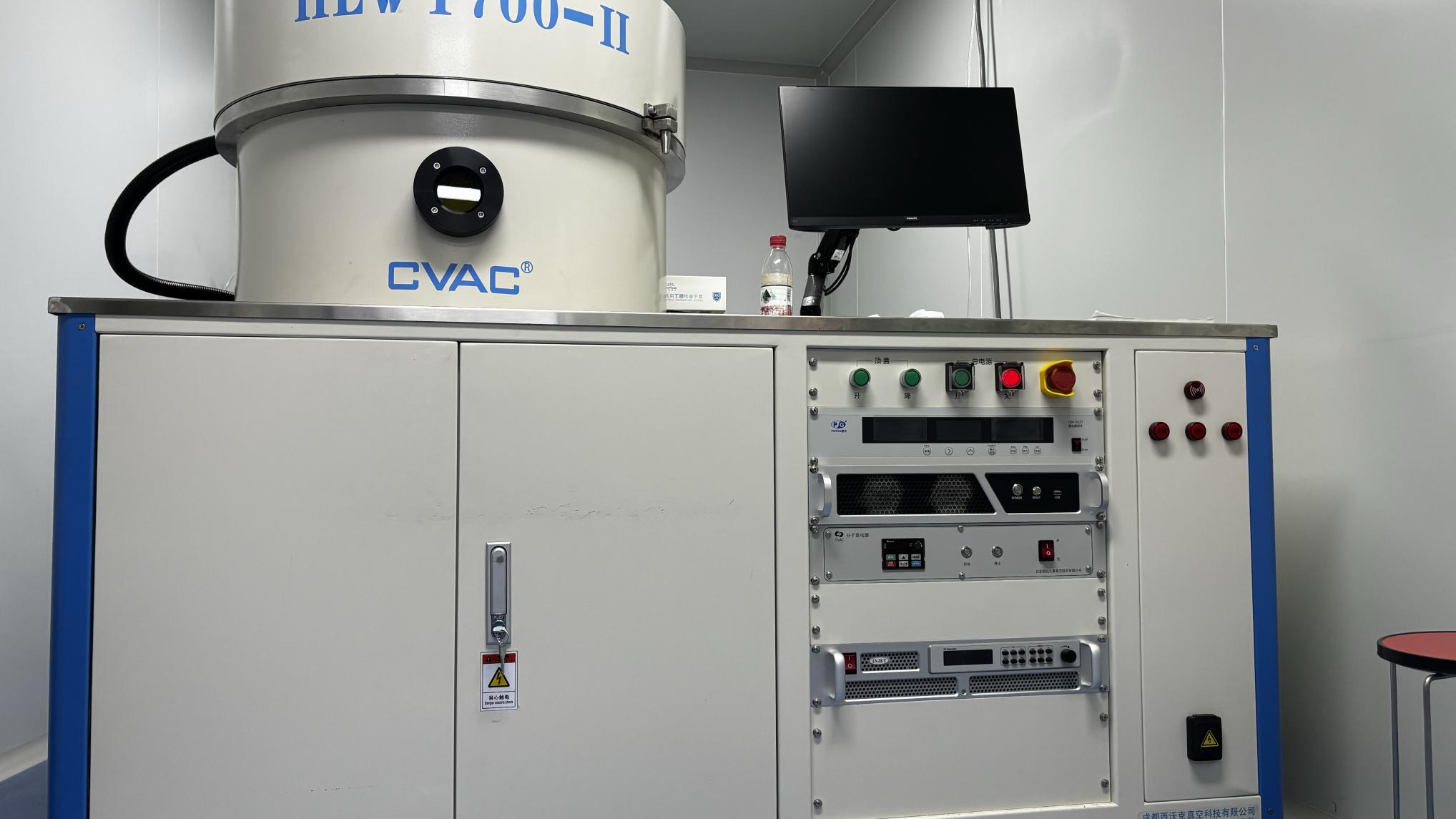
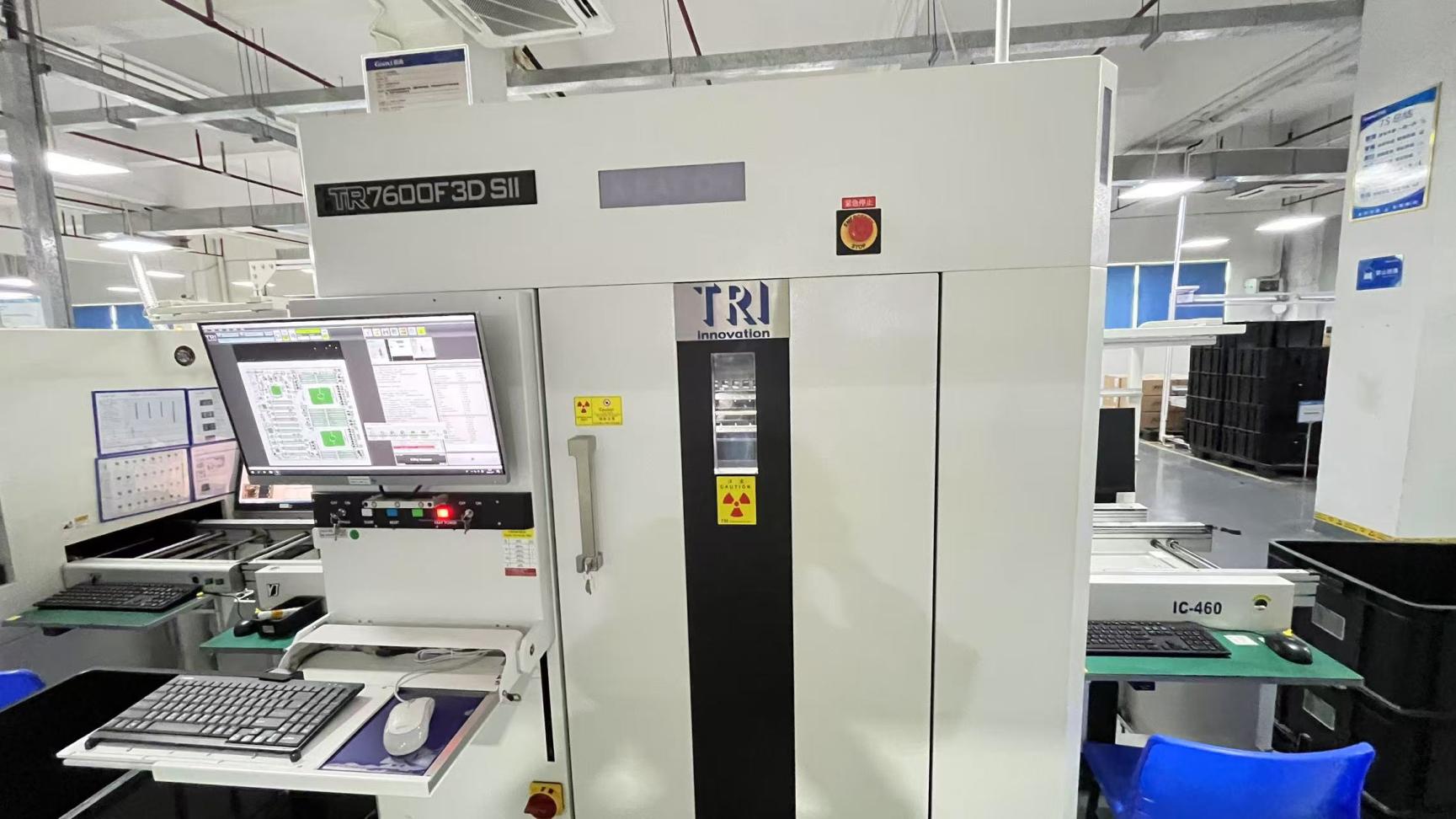
FiberNova Production Facility Room 1
FiberNova Packaging Laboratory
Clean Assembly Station
Optical Alignment & Coupling Equipment
Transceiver Bit-Error testing panel
Thermal Stress Cycling Chambers
Waveform and Eye Diagram Analyzers
Outbound Shipping Compliance Inspection

Technical FAQ & Troubleshooting Guide

Answers to engineering and procurement questions regarding SFP connector interfaces and system compatibility.

Q1: What are the main mechanical specifications defined for the SFP cage and connector interface?

The mechanical envelope, dimensions, and board layouts for SFP interfaces are governed by the SFF Committee specifications, specifically SFF-8432 (which dictates the physical cage dimensions, panel bezel cutouts, and EMI spring finger requirements) and SFF-8431 / SFF-8071 (which defines the 20-pin electrical card-edge connector interface). Purchasing components built strictly to these MSA designs prevents physical clearance problems inside multi-port rack switches.

Q2: How does FiberNova handle host vendor locking in optical transceivers?

Modern network equipment manufacturers program switches to check the vendor identification bytes programmed on the transceiver's internal EEPROM chip (specifically pages A0h and A2h, according to SFF-8472). If the values do not match their security key, the port disables itself. FiberNova's R&D team analyzes vendor code structures to write compatible EEPROM data. This ensures our transceivers operate out-of-the-box with platforms like Cisco, Juniper, Arista, and HPE without needing configuration overrides.

Q3: What causes signal integrity losses at the physical SFP interface, and how are they minimized?

High-frequency signal degradation at the physical SFP+ (10G) and SFP28 (25G) interface is typically caused by impedance mismatch, capacitive loading on host PCB trace pads, and crosstalk. FiberNova ensures signal integrity by using high-performance engineering plastics, maintaining precise trace thickness control, and applying selective gold plating (minimum 30u") on electrical contact pins. This maintains return loss (RL) and insertion loss (IL) parameters well within IEEE margins.

Q4: What is the benefit of using press-fit SFP cages compared to solder-tail versions?

Press-fit SFP cages use elastic pins that wedge directly into plated-through holes on the PCB via mechanical force. This eliminates the thermal stress of wave soldering, removes solder voiding risks, and provides a mechanically robust, gas-tight electrical connection. Solder-tail cages are easier to solder manually for prototyping but struggle to meet the mechanical durability and high signal integrity required for high-density multi-port switchboards.

Q5: Can an SFP+ module plug into a standard SFP cage, or vice versa?

Mechanically, yes. The physical dimensions of the SFP and SFP+ connector interface are identical (both use the SFF-8432 cage size and 20-pin configuration). However, standard SFP cages and motherboard circuitry are built for maximum speeds of 1.25G to 4G and lack the high-frequency design needed for 10G SFP+. While an SFP module will work at 1G in an SFP+ slot (provided the port is configured for 1G speed), an SFP+ transceiver placed in a legacy 1G SFP port cannot scale up to 10G due to host hardware speed constraints.

Q6: What certifications are mandatory for importing optical transceivers into North America and the European Union?

Importers must verify safety and environmental compliance. Key certifications include Class 1 Laser Safety (EN/IEC 60825-1) to protect installers' eyes, FCC Part 15 Class B (United States) and CE EN 55032/55035 (Europe) for electromagnetic interference limits, and RoHS 2.0 / REACH for lead-free, non-toxic manufacturing. FiberNova meets all of these certifications, providing full documentation to prevent customs delays.

Advanced Optical Components Portfolio

Explore further fiber optic transceivers, compatible SFP cages, and advanced RJ45 physical layer integration modules.
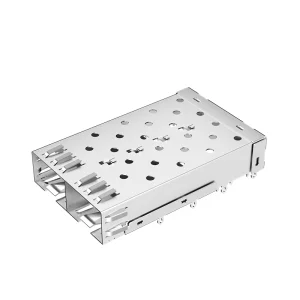
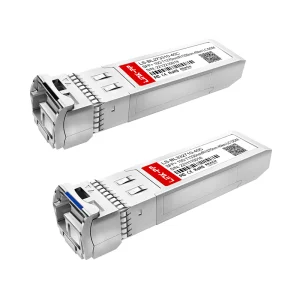
Duplex LC SMF Optical Transceiver Module
Duplex LC SMF Optical Transceiver Module Single Mode 10G CWDM SFP+ 40km
View Specifications
China Manufacturer for PoE+ 2.5G Jack
China Manufacturer for PoE+ 2.5G Jack Connector RJ45 Socket
View Specifications
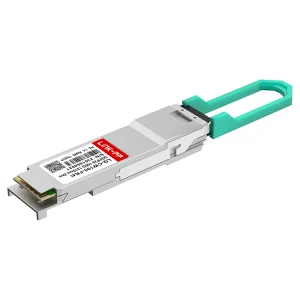
100GBASE-CWDM4 QSFP28 100G 2km
100GBASE-CWDM4 QSFP28 100G 1310nm 2km Duplex LC SMF Optical Transceiver Module
View Specifications
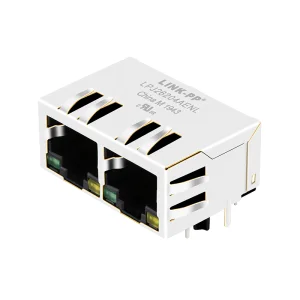
7499021125 Tab Down 1x2 Ports Magnetic RJ45
7499021125 Tab Down 1x2 Ports Magnetic RJ45 Female Connector With Led
View Specifications
1888424-1 TE Compatible Through Hole EMI Shielded
1888424-1 TE Compatible Through Hole EMI Shielded Housing 1x2 Ports Press-Fit SFP Cage Assembly
View Specifications
Simplex LC Single Mode 10G BiDi SFP+ Module 40km
Bidirectional Optical Transceiver 1270nm/1330nm Simplex LC Single Mode 10G BiDi SFP+ Module 40km
View Specifications
1 Port RJ-45 Magjack Ethernet Magnetics
1470648-1 1 Port RJ-45 Magjack Ethernet Magnetics RJ45 Connector
View Specifications
HR951180AE 100 Base-T with LEDs
HR951180AE LMJ2138814S0L1T1C SI-46020-F 100 Base-T with LEDs Magnetic RJ45 Connector
View Specifications