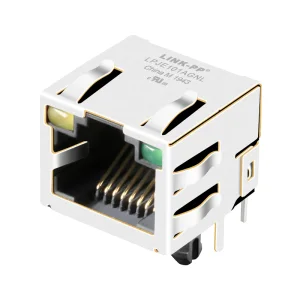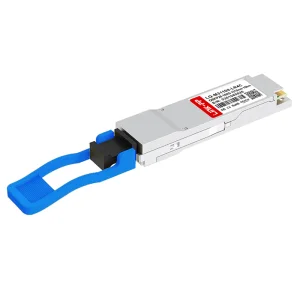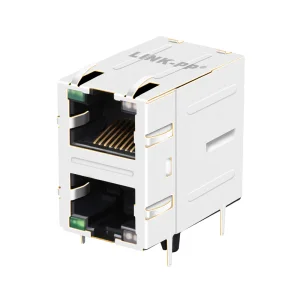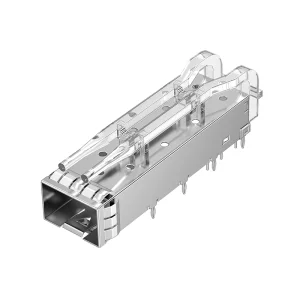
In the contemporary digital landscape, the demand for stable physical layer interconnects is soaring. The RJ45 switch port remains the undisputed backbone of enterprise networks, data centers, industrial automation (IIoT), and telecom infrastructure. As bandwidth needs transition from standard Fast Ethernet to multi-gigabit interfaces (2.5G, 5G, and 10G Base-T), physical hardware components must mitigate higher frequency crosstalk and electromagnetic interference (EMI).
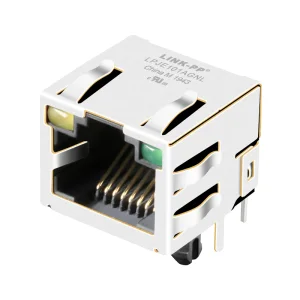
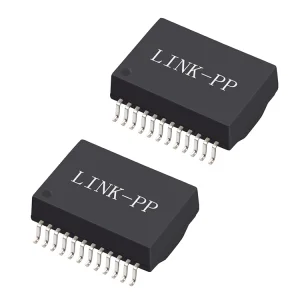
Modern switch architectures utilize either discrete magnetic setups or integrated connector modules (ICMs). Integrated RJ45 switch ports house internal transformer coils, common-mode chokes, and resistors designed to suppress noise and maintain signal integrity. The industrial adoption of Power over Ethernet (PoE, PoE+, and PoE++) has added thermal management and contact current-carrying capacity constraints to these components, requiring specialized gold-plating and temperature-resistant engineering plastics.
China's dominance in the global RJ45 switch port and network transformer supply chain is built on advanced vertical integration. Manufacturers in tech hubs like Shenzhen and Dongguan benefit from local ecosystems that provide precision tooling, high-frequency coil winding automation, and injection molding materials in close proximity. This drastically reduces prototype turnaround times and minimizes logistic overheads.
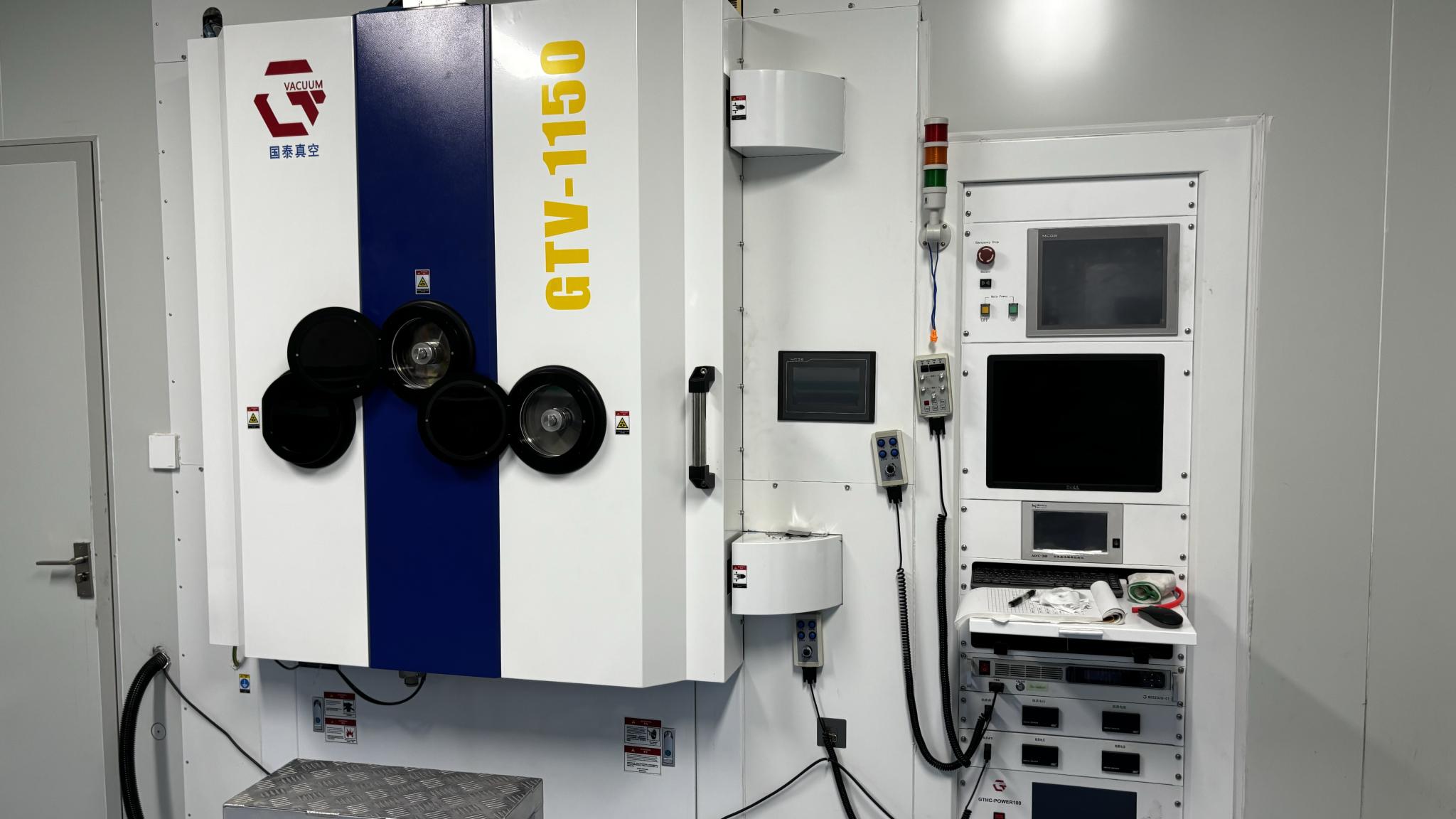
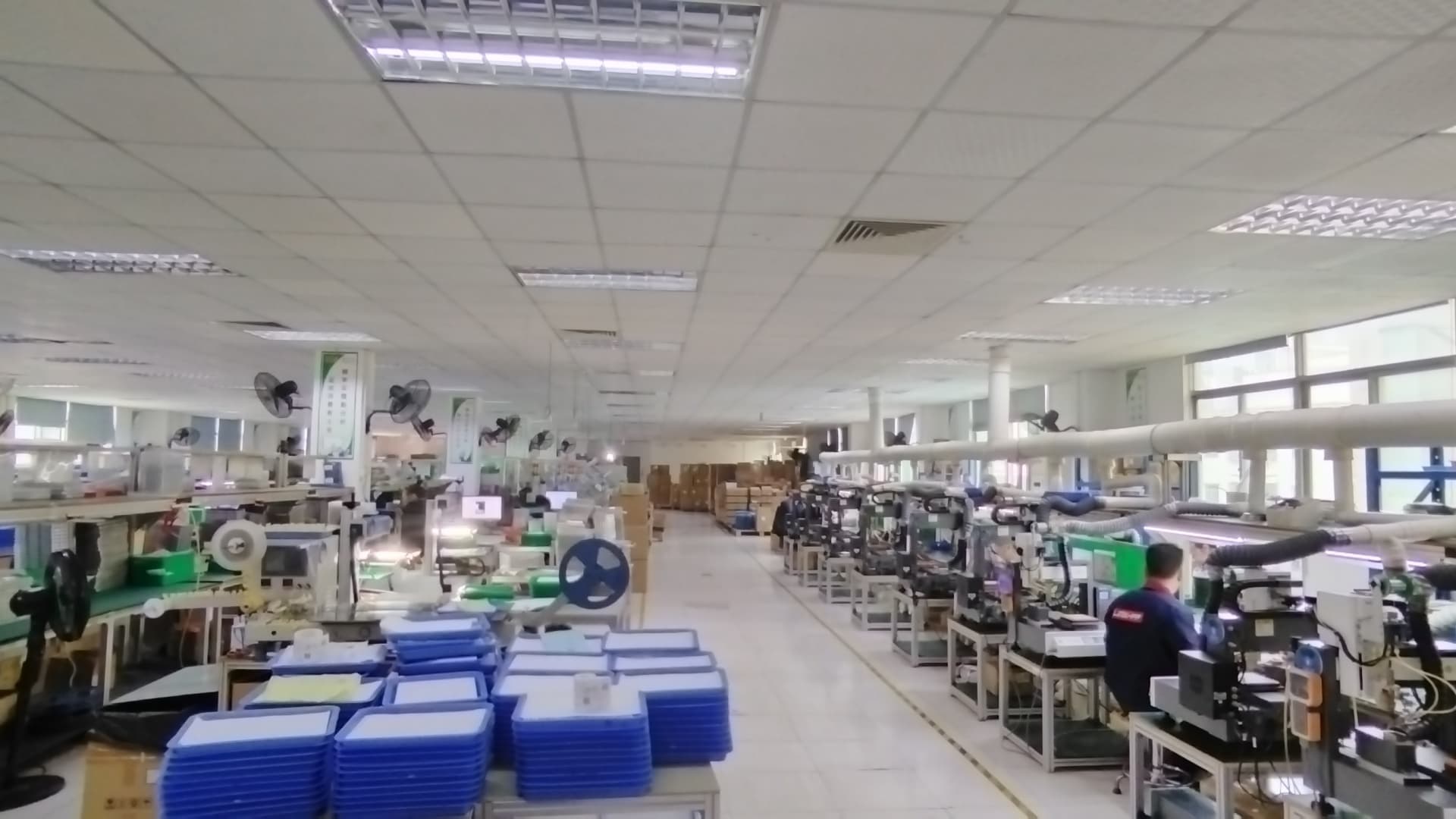
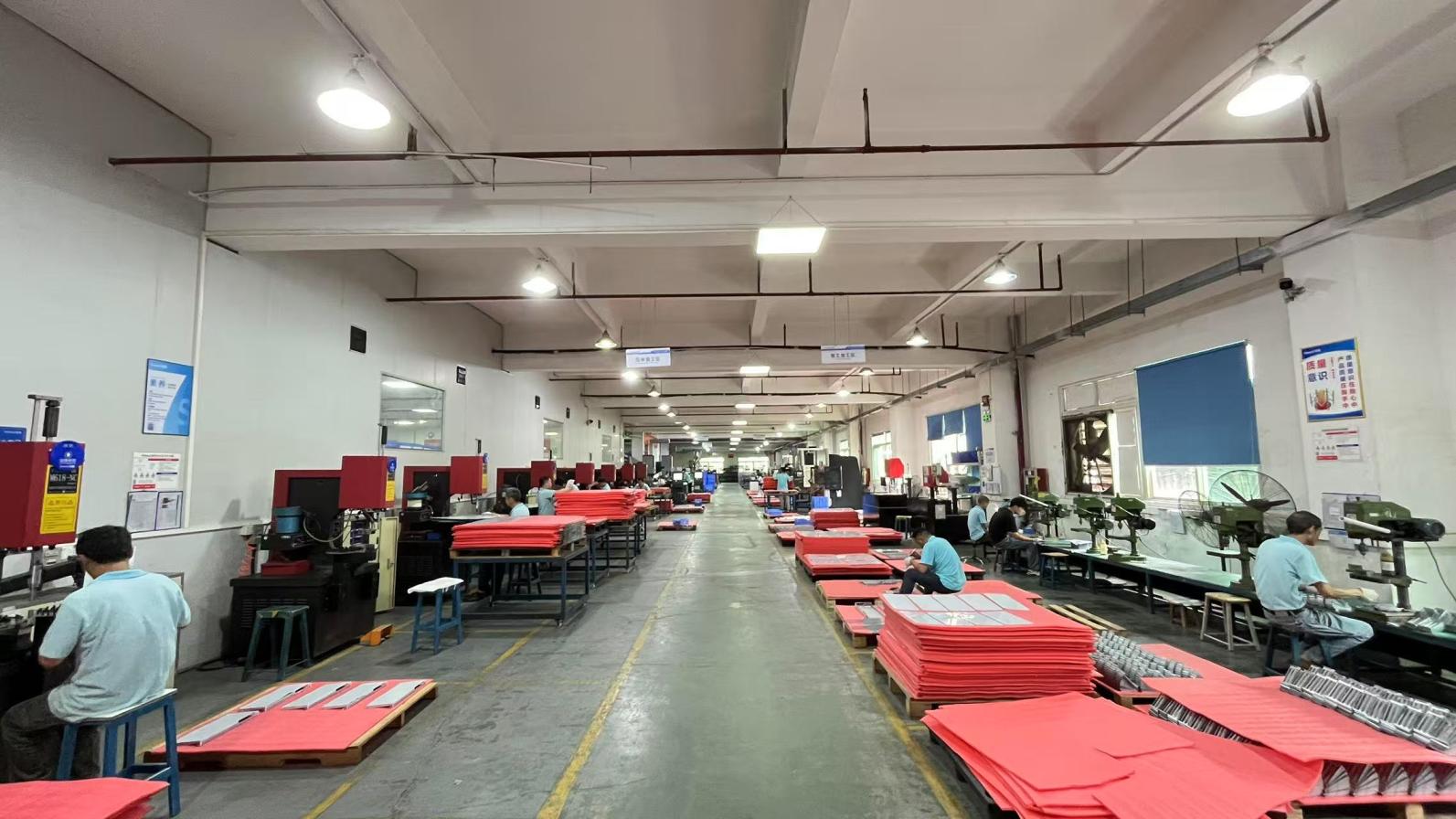
Chinese production facilities leverage semi-automated and fully automated assembly lines for magnetic modules, ensuring consistent electrical compliance across large volumes. By executing automated optical inspection (AOI) and 100% network analyzer compliance tests directly on-site, China-based exporters deliver Tier-1 quality standards at unmatched scale and cost efficiency.
Industrial ethernet demands ruggedized interfaces. Standard RJ45 sockets are upgraded with dust-proof covers, IP-rated seals, and vibration-resistant press-fit pins. From robotic assembly arms to PLC controllers, our high-density connectors guarantee uninterrupted data flows in harsh environments subject to high temperatures and oil contamination.
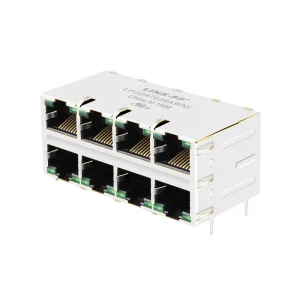
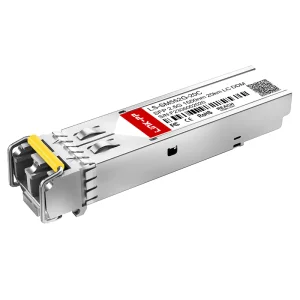
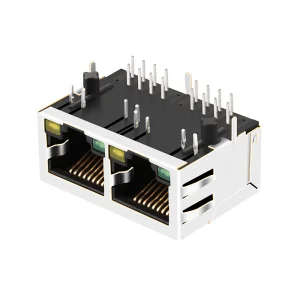
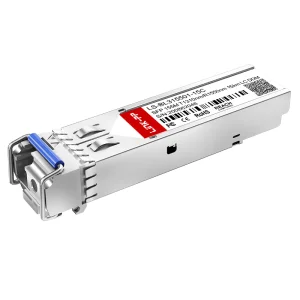
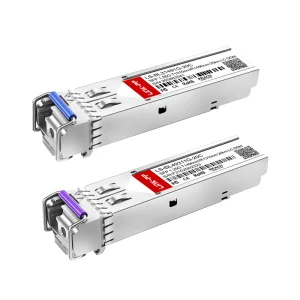
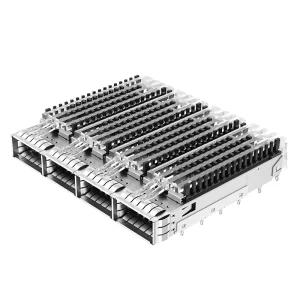
Data centers rely on dense high-speed arrays. Combining multi-port stacked RJ45 connectors with SFP+ or QSFP28 cages enables flexible copper-to-fiber routing architectures. The focus lies on high density, low insertion loss, and thermal dissipation systems designed to prevent optical transceiver degradation over extended operational periods.
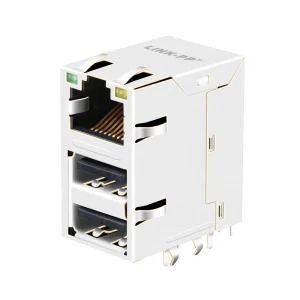
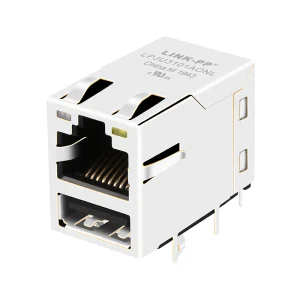
Smart gateways, modern security cameras, and VoIP systems require ultra-compact ethernet jacks. Multi-function RJ45 jacks with integrated USB 3.0 ports or stacked space-saving vertical sockets optimize PCB real estate while maintaining EMI isolation levels required by regulatory bodies like the FCC and CE.
The rise of Wi-Fi 7 and 5G small cells has driven the networking sector to transition from Gigabit Ethernet toward 2.5G/5G and 10G copper connections. This migration increases signal frequencies up to 500MHz. Connectors must use advanced multi-chamber shielding, precise internal lead-frame designs, and high-performance magnetic cores to control return loss and near-end crosstalk (NEXT).
Concurrently, PoE technologies are pushing the boundaries of physical contacts. Delivering up to 90W of power (under IEEE 802.3bt) means contacts must prevent arcing damage during hot-unplugging. Advanced alloy formulas and contact plating strategies are standard safeguards deployed in our production processes to prevent interface pitting.
Component procurement managers face the twin challenges of keeping costs down and ensuring long-term supply stability. Working with qualified direct-from-factory Chinese manufacturers ensures access to customizable designs (such as customized LEDs, varied pinning configurations, or custom SFP heat sinks) while bypassing high distributor markups.
Established in 2016, FiberNova Optical Communication Tech Co., Ltd. (FiberNovaTransceivers.com) has built a reputation as a trusted optical transceiver and high-speed network connector manufacturer. Operating from a modern production facility of approximately 380㎡, the company focuses on delivering high-speed optical communication systems and network interface components for global data centers, cloud infrastructure networks, and telecom applications.
Backed by over 6 years of export experience and 12 years of deep industry expertise, FiberNova has developed robust capabilities in research, design, production, and international logistics. With an annual export revenue ranging between USD 8–15 million, we ship high-quality network components to customers across North America, Europe, Southeast Asia, and the Middle East.
FiberNova operates with a strict quality control system, including 100% optical performance testing, temperature cycling tests, and signal integrity inspection before shipment. The quality assurance team consists of around 45 professional QC staff, ensuring every transceiver and connector assembly complies with global standards, including IEEE and MSA specifications.
We maintain deep vertical alignment across our supply chain, collaborating with over 1,200 supply chain partners. This ensures a consistent, high-quality supply of semiconductor chips, laser diodes, optical sub-assemblies, and precision connector shells even during global market shifts.
Our dedicated R&D division consists of 65 skilled engineers focused on high-speed transmission technologies including 10G, 25G, 100G, 400G, and 800G optical modules, alongside customized RJ45 and SFP cage integration solutions. In the past year alone, FiberNova introduced approximately 120 new products, adapting quickly to evolving enterprise requirements.
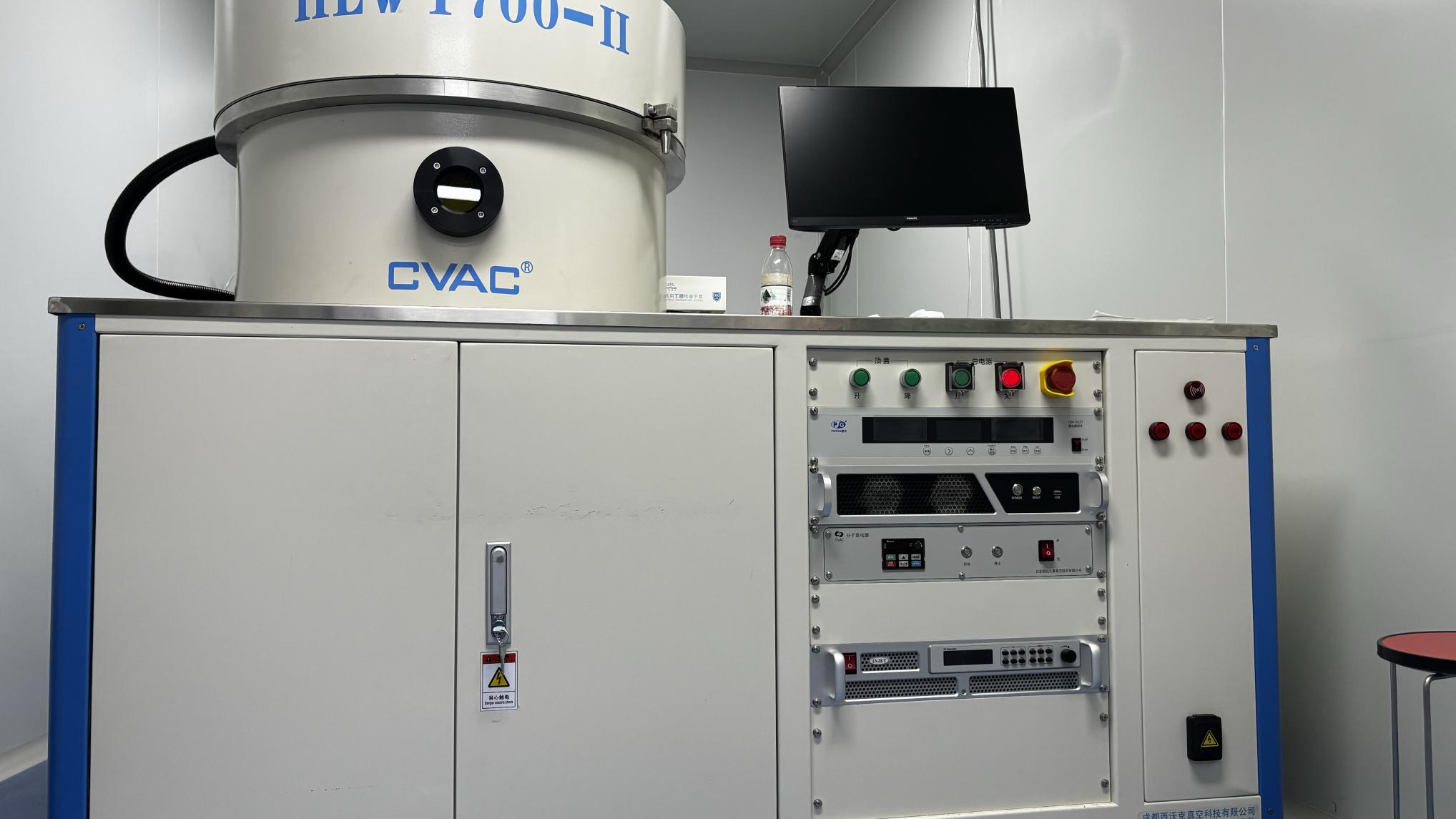
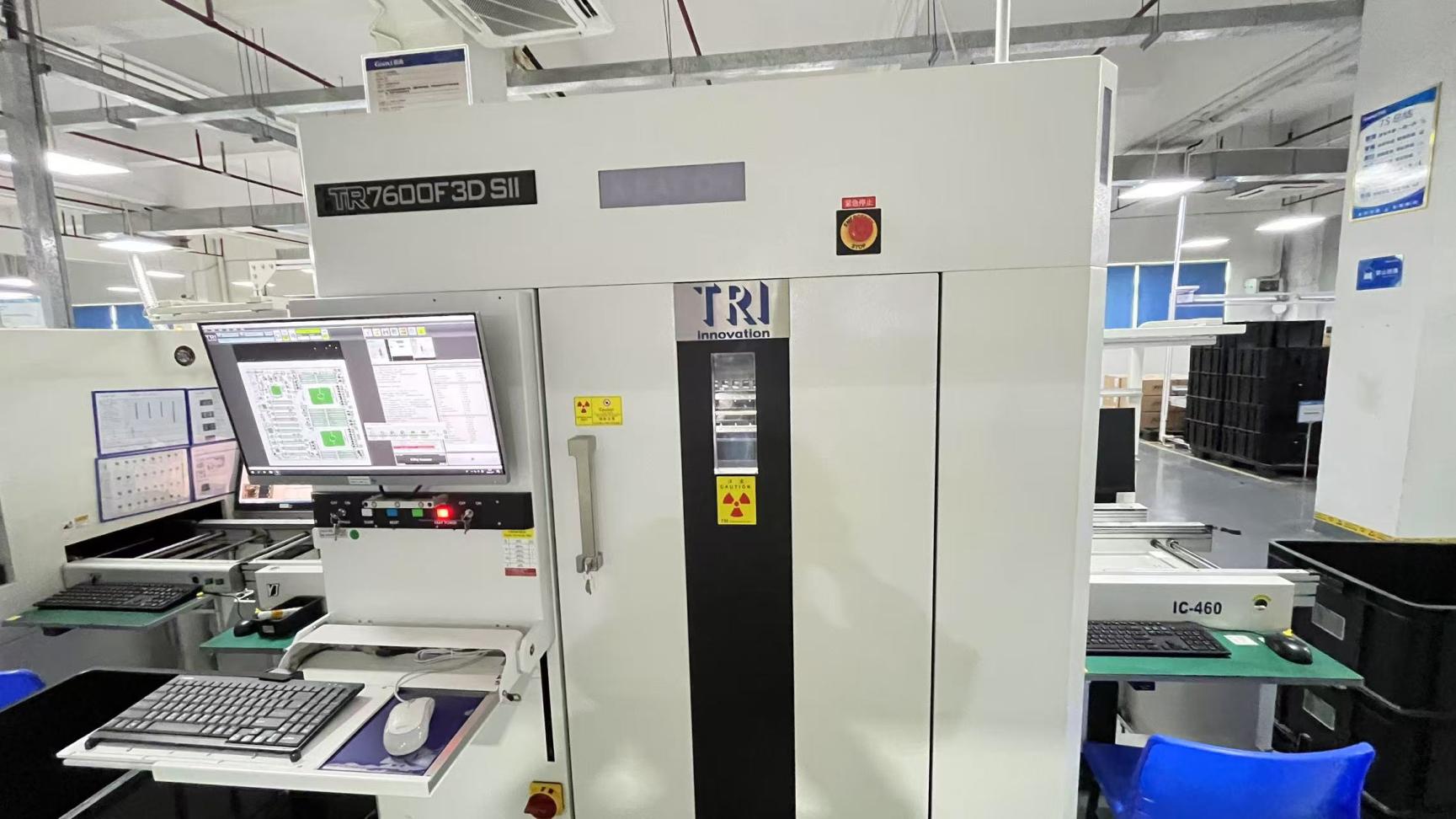
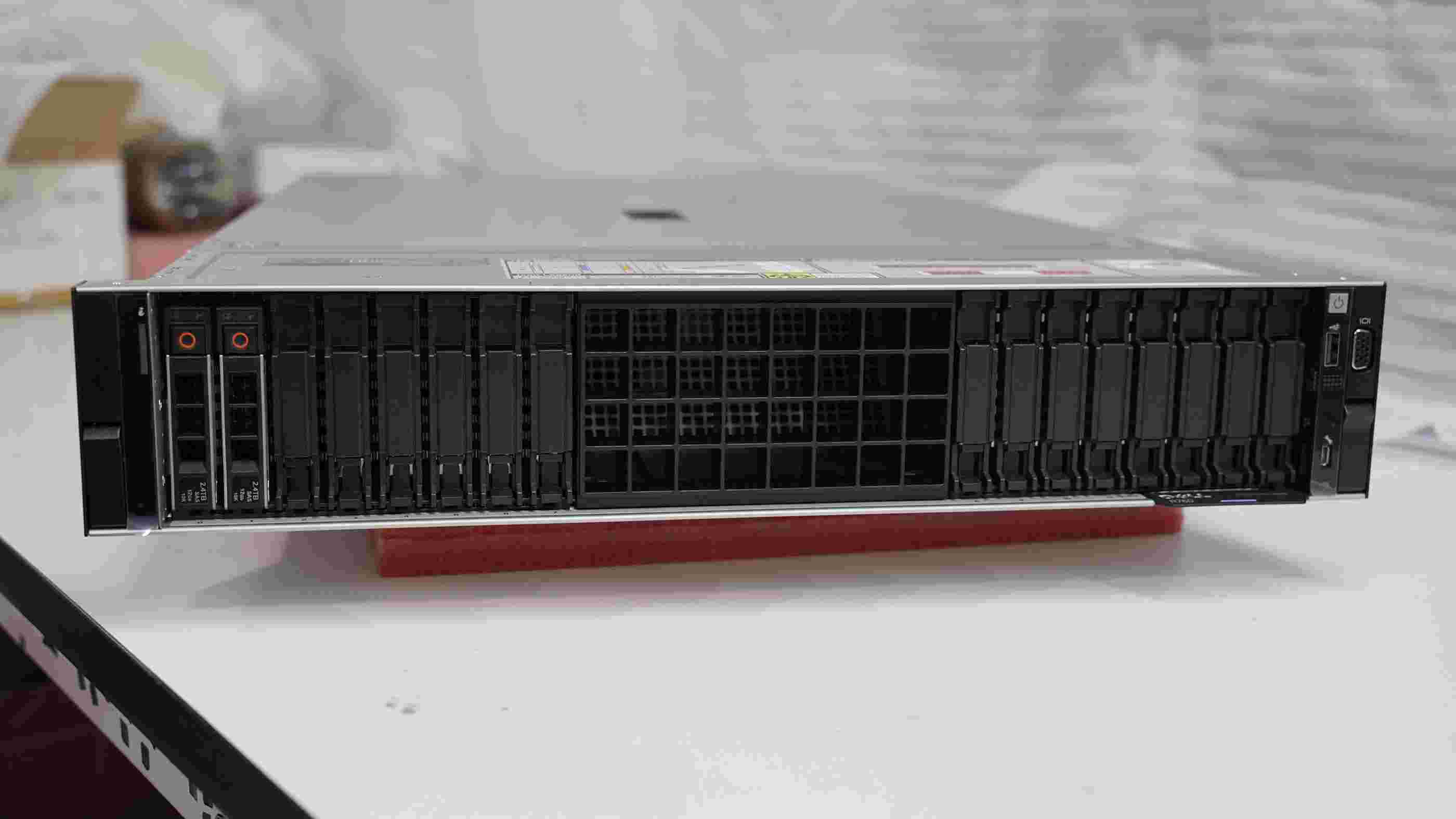

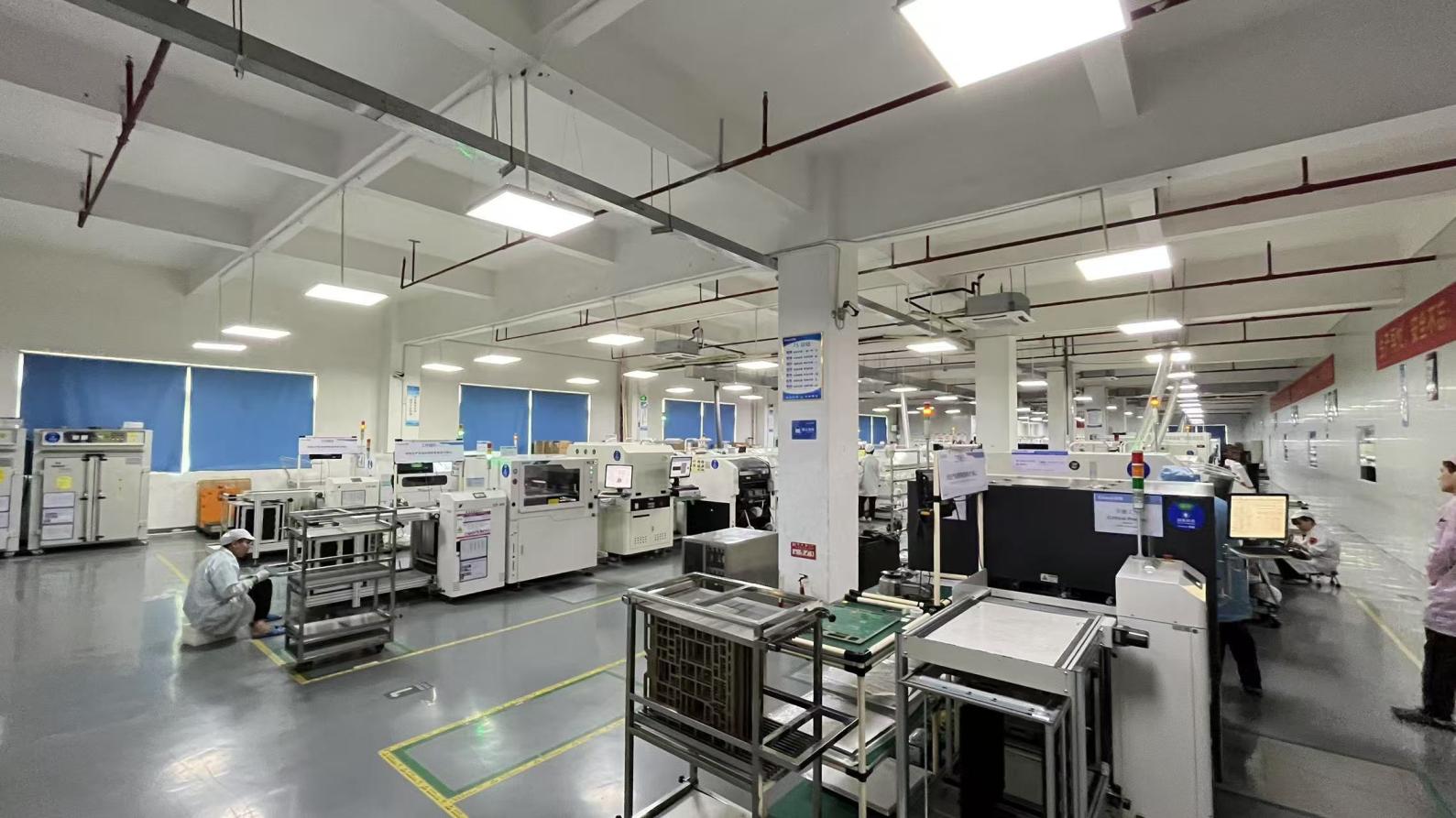
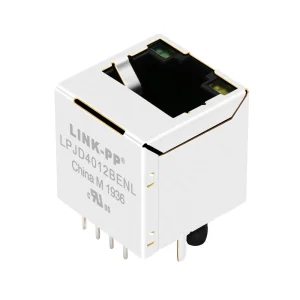
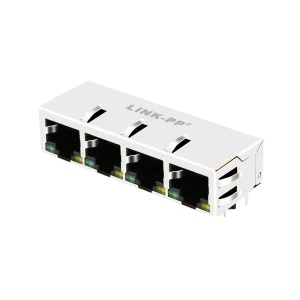
Standard (discrete) RJ45 connectors are simple plastic housings with copper contacts. The network transformer must be mounted separately on the PCB. Integrated RJ45 connectors (often called ICMs or Magnetic Jacks) build the transformer coils, common-mode chokes, resistors, and LEDs directly into the shielding. This saves PCB space, improves EMI shielding by enclosing the components in a metal cage, and reduces high-frequency routing trace lengths.
All our components, including SFP+ cages, optical transceivers, and RJ45 sockets, are designed to meet standard multi-source agreements (MSAs) and IEEE 802.3 specifications. This guarantees plug-and-play cross-compatibility with major network brands such as Cisco, Juniper, TE Connectivity, and Molex. Our production line runs constant compatibility checks on varied hardware configurations before shipping.
PoE capability is defined by the pin alloy configuration, contact design, and magnetic winding wire gauge. Normal pins can overheat under high PoE currents (up to 90W under IEEE 802.3bt). PoE-optimized RJ45 connectors feature thicker gold-plating (typically 30u" to 50u") to prevent contact degradation, and use larger magnetic cores within the ICM to handle DC bias current without saturating the transformer.
Every optical module and high-frequency connector undergoes 100% optical performance testing, signal integrity evaluation, automated optical inspection (AOI), and environmental temperature cycling. This testing process is managed by our 45-person QC department to ensure a field return rate below 0.05% for global buyers.
Yes. We offer extensive ODM and OEM customization options. Our engineering team can modify pin configurations, integrate custom light pipes, adjust shield grounding tabs, design stacked arrays (e.g., 2x1, 2x4, 2x8), and adjust magnetic winding specifications for custom chipsets.
High-density RJ45 switch ports use multi-point grounding tabs (spring fingers) that contact the chassis to route high-frequency noise to ground. The internal metal shell is stamped from high-conductivity alloys (like brass or nickel silver) to contain electromagnetic emissions, preventing crosstalk between adjacent ports in multi-port switches.
 FiberNova