Premium RJ45 connectors, optical transceivers, and patch assemblies engineered for high-throughput telecommunication hubs and enterprise data networks.
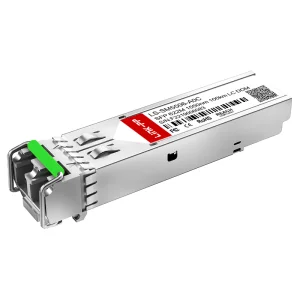
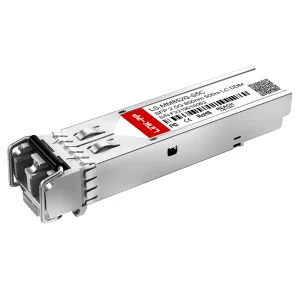
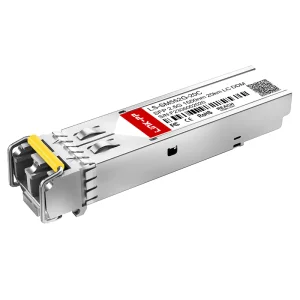
Single Mode 1550nm SFP 622M Transceiver 100km Duplex LC Optical Module
View Technical Specifications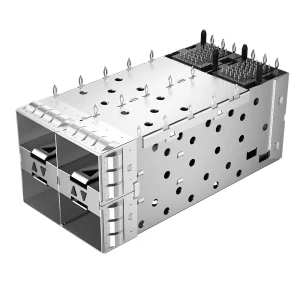
2007417-1 TE Compatible Through Hole 80P 2x2 Ports Press-Fit SFP+ Cage & Connector
View Technical Specifications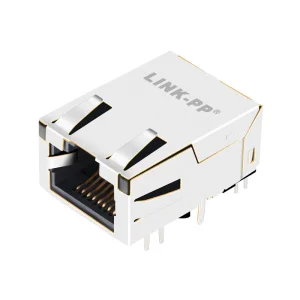
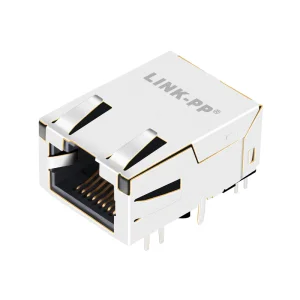
Low-Profile RJ-45 Connector L840-1JX1-43 L837-1X1T-43 L8AD-1E1T-BF L834-1X1T-43
View Technical Specifications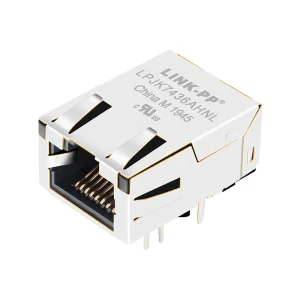
L869-1A1T-32 L834-1G1T-S7 Tab up 10/100/1000 Base-t Low Profile RJ45 Connector
View Technical SpecificationsAnalyzing the coexistence and integration of high-performance copper patch cords and fiber transceivers in multi-tier routing architecture.
In modern networking frameworks, the selection of transmission media determines latency overhead, electrical isolation capabilities, and installation budgets. As hardware demands scale to keep up with cloud compute centers, the classic RJ45 interface remains a fundamental terminal connectivity solution. This durability is due to its low mechanical complexity, cost efficiency, and standard application in Base-T Ethernet lines. Simultaneously, optical transceivers provide the backbone needed for high-speed, long-distance infrastructure. Top Chinese manufacturers have recognized this overlap and evolved their production methodologies. They now design integrated hardware that spans copper modular patch jacks (including Integrated Connector Modules - ICMs) and active optical transceivers. This strategy helps optimize performance across the entire local subnet and core routing layer.
When engineering high-density patch fields or custom wiring setups, signal degradation is a critical concern. Interferences like Near-End Crosstalk (NEXT) and Far-End Crosstalk (FEXT) can lower connection quality, while external Electromagnetic Interference (EMI) presents ongoing reliability challenges in crowded cabinets. Resolving these electrical hurdles requires using shielded (STP) RJ45 configurations, high-frequency twisted-pair cabling (such as Cat6a and Cat8), and modular connectors with integrated electromagnetic filtering. Chinese factories have responded to this demand by upgrading their manufacturing technology. They now produce advanced RJ45 assemblies with internal magnetic components, integrated LEDs, and shielding elements. These features match or exceed standard IEEE 802.3 specifications, offering customers a stable, high-performance product.
By using matching footprints for active SFP cages and RJ45 modular jacks, system designers can easily configure multi-media network cards, media converters, and switches. This hybrid design allows smooth transitions between local copper loops (up to 100 meters) and high-speed fiber backhauls (up to 100 kilometers). This approach simplifies cabinet configurations and lowers overall system costs.
Understanding the supply chain efficiency, material compliance, and engineering depth of FiberNova in global optical-copper networks.
By leveraging more than 1,200 raw material partnerships, factories can secure high-grade phosphor bronze pins, gold coatings (from 3u" to 50u"), advanced polymers, and precision cores. This strong supply chain keeps lead times stable even when raw material supplies fluctuate globally.
With an engineering team of over 65 specialists, we provide custom design services for various hardware challenges. We offer wavelength configurations for optical modules, specific PCB layouts for integrated magnetic jacks, customized packaging, and multi-protocol compatibility profiles.
Backed by a team of 45 QA technicians, every connector assembly and optical module undergoes detailed verification testing. Our process includes 100% optical performance checks, environmental chamber stress runs, and signal integrity testing to verify full compliance with MSA, RoHS, CE, and IEEE requirements.
An in-depth look at internal filter networks, high-frequency shielding, and optical transceiver performance.
Standard passive copper ports are vulnerable to electromagnetic noise. To address this, modern RJ45 connectors integrate magnetic filters directly into their housings. These filters consist of small toroidal cores wound with fine wire, designed to suppress common-mode noise and isolate networks. This layout provides galvanic isolation, shielding delicate physical layer (PHY) chips from power surges and static discharges. When designing systems with Power over Ethernet (PoE, PoE+, and PoE++), these magnetic assemblies must support high DC currents (up to 1A per pair) without saturating the magnetic cores. Preventing saturation is essential to avoid signal distortion and packet loss.
In high-speed optical transceivers, performance relies on precise design. Factors like optical wavelength stability, transmitter power levels, and receiver sensitivity are critical. Modern systems require transceivers to support various network architectures, including short-range multimode (850nm) and long-haul single-mode (1310nm/1550nm) fibers. A key challenge for manufacturers is ensuring compatibility across different vendor systems (such as Cisco, Juniper, and Huawei). Meeting this requirement involves programming the transceivers' onboard EEPROMs to match specific vendor protocols, ensuring smooth integration and operation.
These components feature built-in isolation transformers and common-mode chokes. They provide excellent EMI suppression and support data rates from 10/100 Mbps up to 10 Gbps, protecting network equipment from ground loops and electrical interference.
Featuring low power consumption and digital diagnostic monitoring (DDM) interfaces, our transceivers offer real-time tracking of transmit power, receiver sensitivity, operating temperature, and supply voltage.
Custom setups designed to meet the performance and durability needs of modern technology deployments.
For data centers, our high-density SFP+ cages and 10G/40G modules provide reliable connection paths between switches, routers, and storage arrays. These systems are designed to minimize latency and packet drops in high-traffic networks.
Our long-range (up to 100km) optical modules convert light signals to electrical signals, connecting to local distribution systems. We use vertical, shielded RJ45 modules to maintain signal quality across distribution frames.
Designed for factory and outdoor settings, our rugged connectors and copper cabling are built to handle mechanical stress, vibration, and temperature swings from -40°C to +85°C, ensuring reliable operation.
Touring the production floor: inside our state-of-the-art facility featuring automated optical inspection, network analyzer testing, and strict quality control workflows.

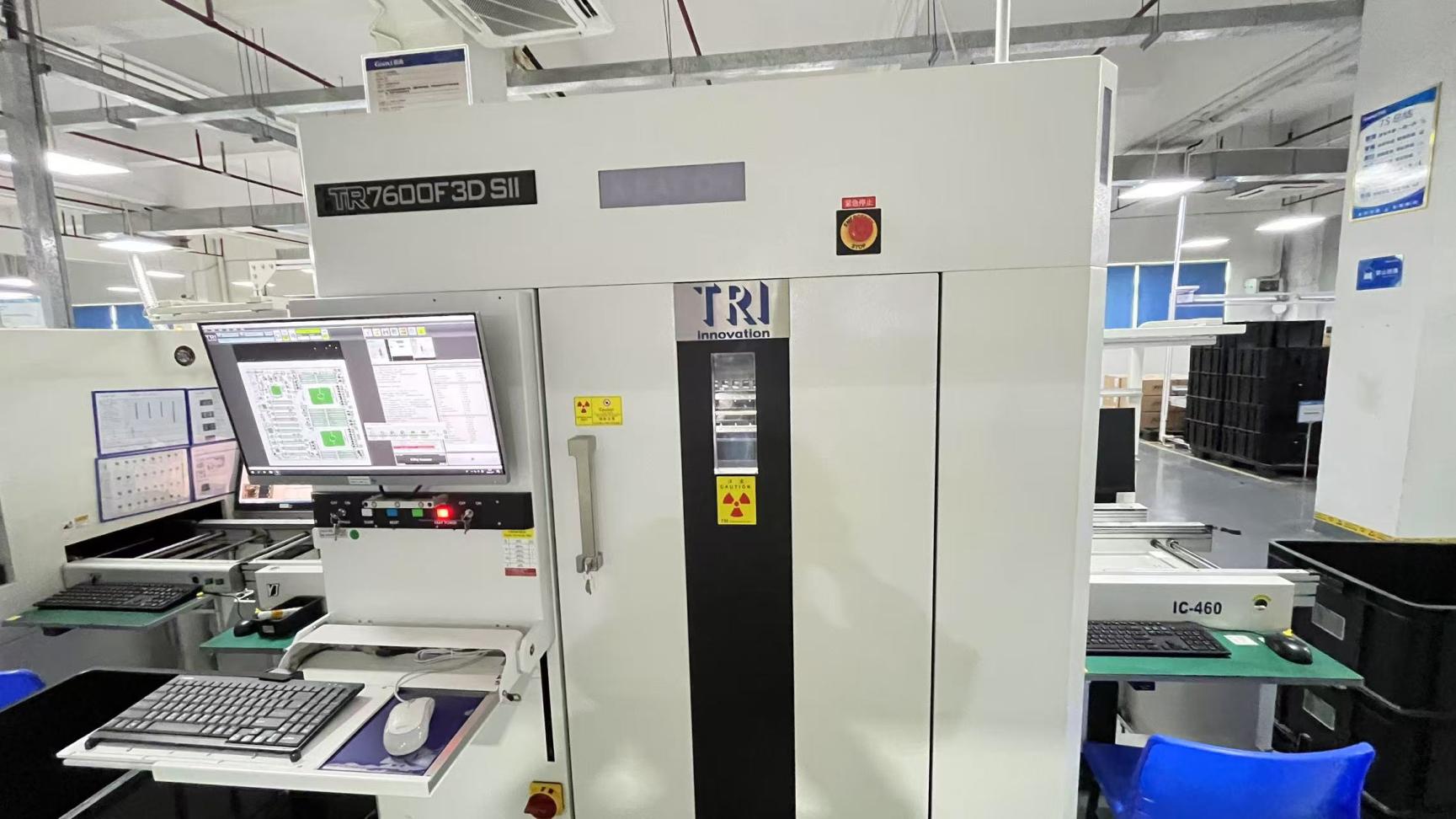
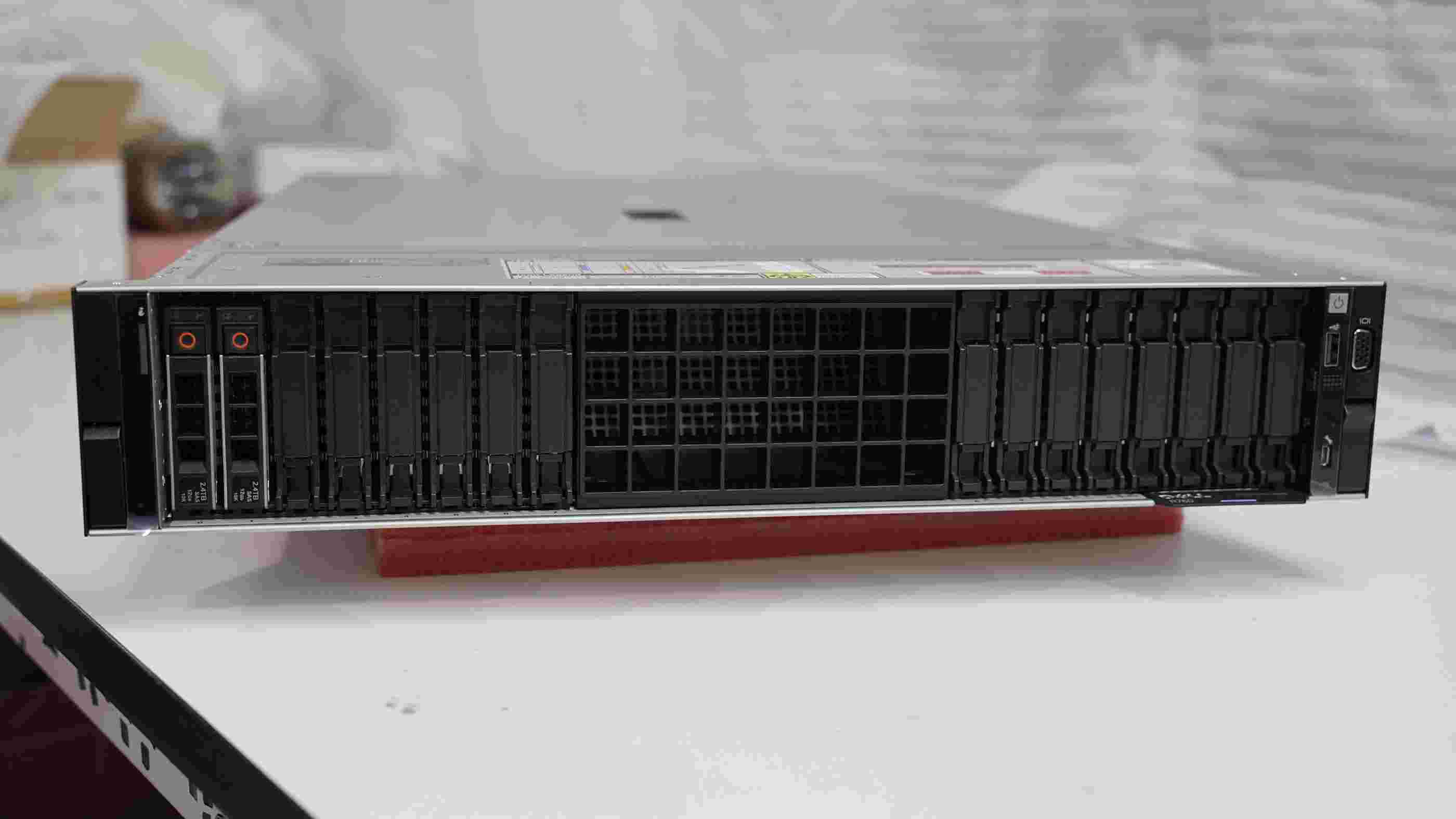

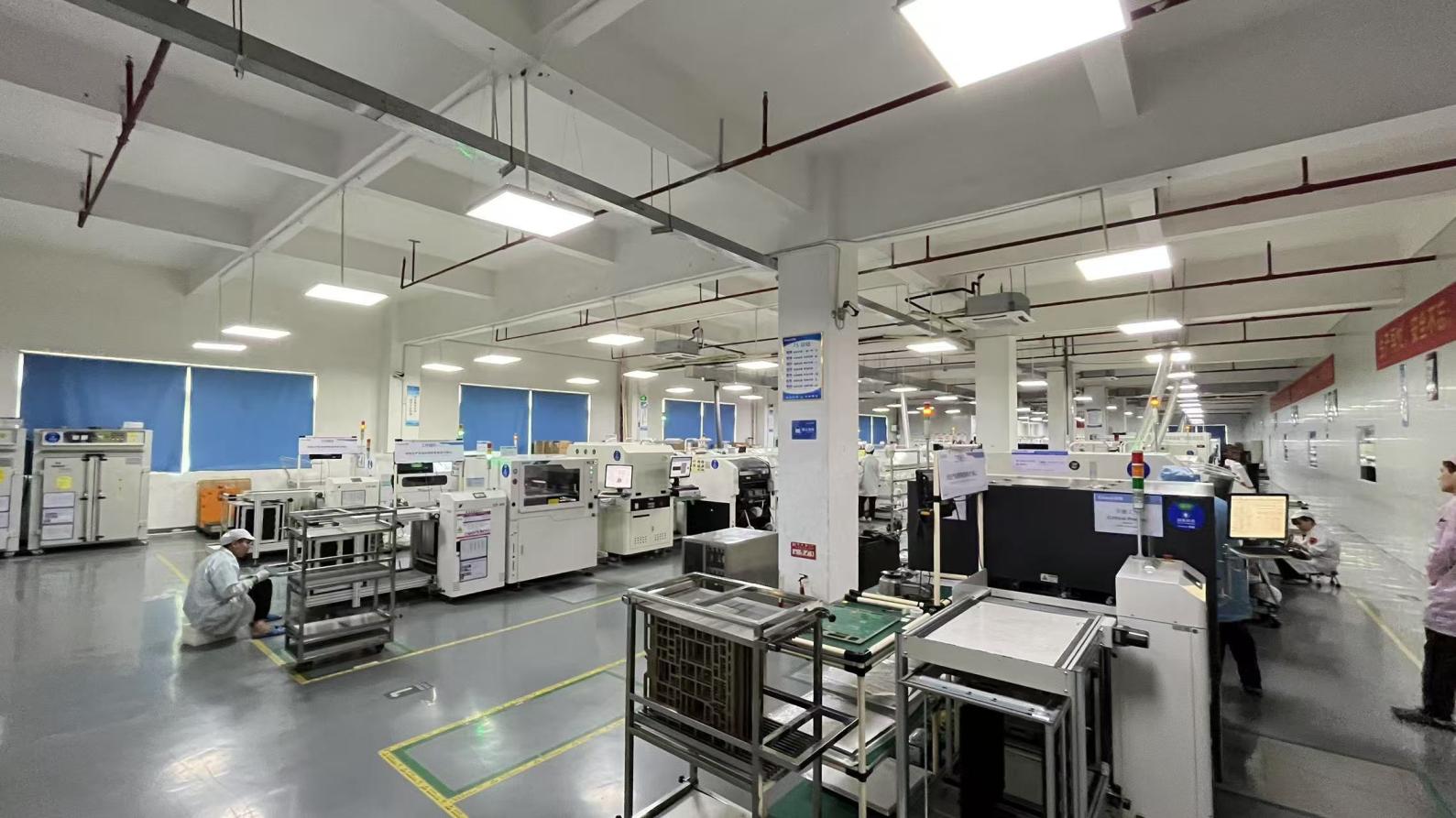


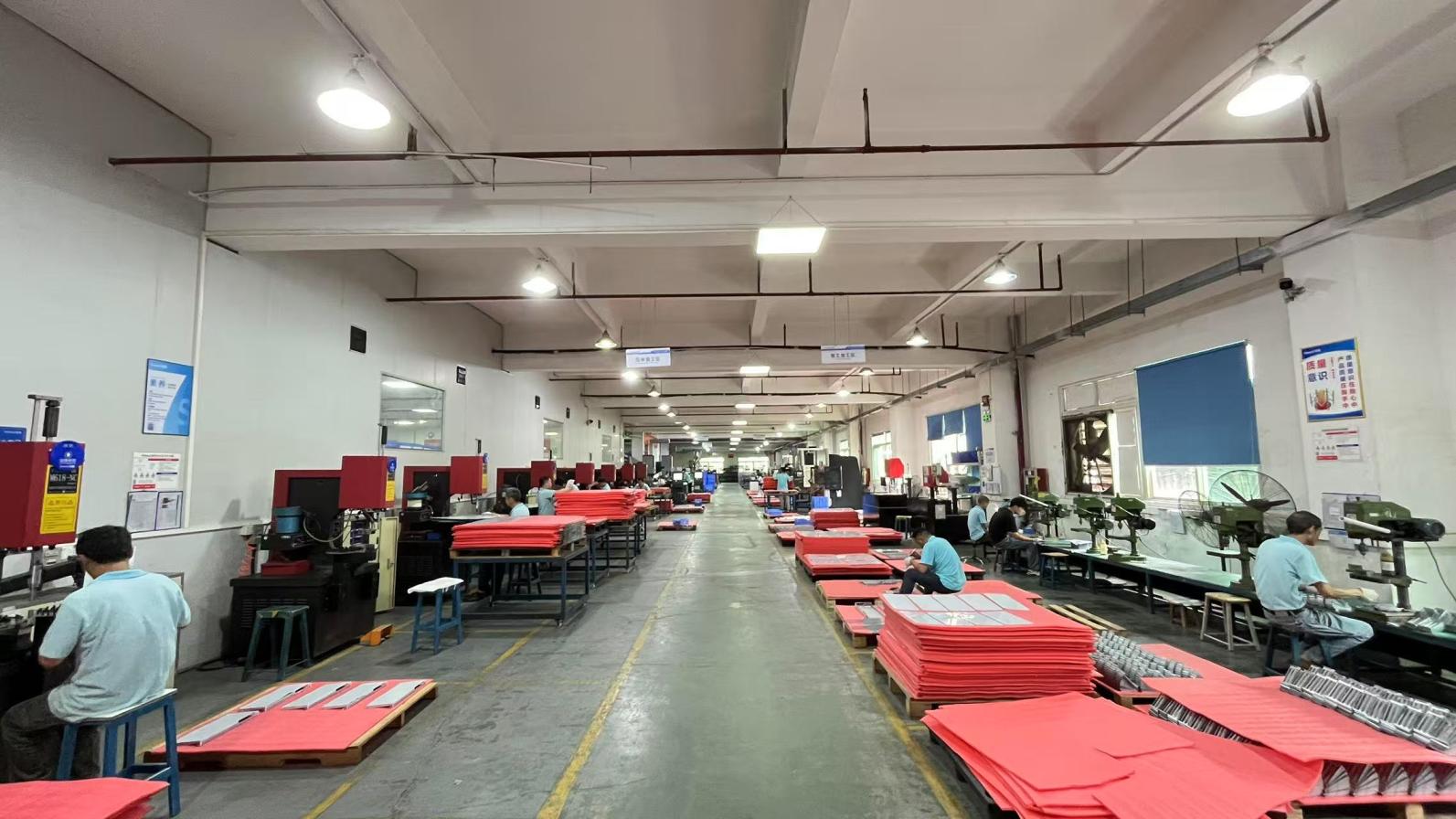
Our quality control process is built on detailed testing at every stage. We perform optical time-domain reflectometer (OTDR) traces on our fiber components, alongside high-frequency vector network analyzer sweeps on our RJ45 magnetic assemblies. These tests ensure low insertion loss, high return loss, and dependable shielding effectiveness for all products.
Looking ahead at industry shifts: 800G optical networking, Next-Generation Single-Pair Ethernet (SPE), and environmental sustainability initiatives.
The telecommunications industry is moving quickly toward higher bandwidth, lower latency, and improved energy efficiency. In core optical networks, development is focused on transitioning from 100G and 400G systems to high-speed 800G and 1.6T architectures. These speeds require advanced modulation schemes like PAM4, along with co-packaged optics (CPO) to manage heat and power consumption. At the local access level, standard copper wiring is also evolving. Multi-gigabit Ethernet interfaces (such as 2.5G/5G/10G Base-T) are increasingly common in enterprise networks, helping prevent bandwidth bottlenecks at high-performance Wi-Fi 6E and Wi-Fi 7 access points.
Another major shift is the rise of Single Pair Ethernet (SPE) in industrial and building automation networks. Using one twisted pair of copper wires instead of four, SPE delivers both data and power (via PoDL - Power over Data Line) over long distances. This approach reduces cable weight, saves space in routing trays, and simplifies connections for IoT sensors and industrial actuators. Chinese manufacturing plants are adapting to these trends by expanding their production lines. By adding advanced automated braiding machines, high-precision injection tooling, and optical sub-assembly equipment, they ensure their products meet evolving global design and performance standards.
High-speed optical engines, robust magnetic ports, and multi-port interfaces designed for reliable data links and core carrier networks.
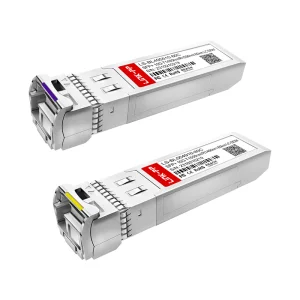
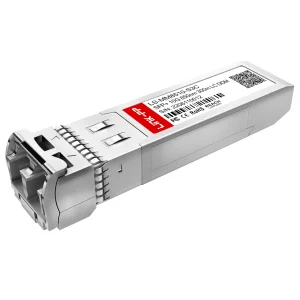
1490nm/1550nm Bidirectional SMF Optical Transceiver Simplex LC 10G BiDi SFP+ Module 80km
View Technical Specifications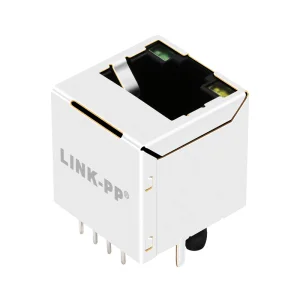
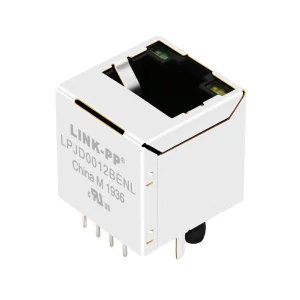
Ethernet Vertical Jack RJ45 Female Socket HFJV1-1G46RL HFJV1-2450-L55RL
View Technical Specifications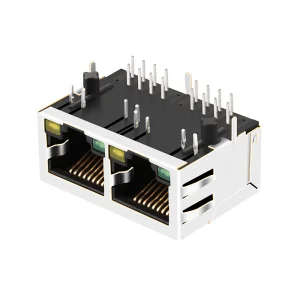
62F-1204GYD2 SI-60159-F 1x2 Dual Ports 10/100 Base-t Female Magnetic RJ45 Connector
View Technical Specifications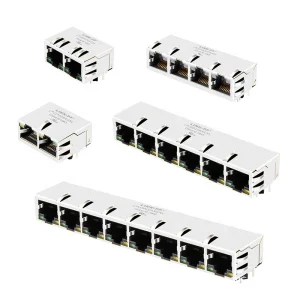
1x2 1x4 1x6 1x8 Port 100M/1G/2.5G/5G/10G Base-T PCB Modular MagJack RJ45 Filtered Connectors
View Technical Specifications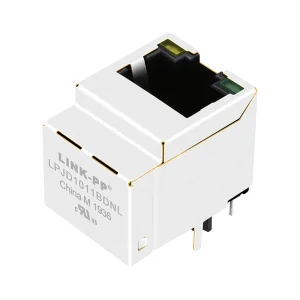
HFJV1-2450-L12RL HFJV1-2450-L21RL SI-46004-F 10/100 Base-T Vertical PoE RJ45 Jack
View Technical Specifications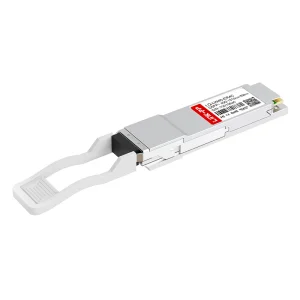
40GBASE-ZR4 SMF Optical Transceiver Module Duplex LC Single Mode 1310nm 40G QSFP+ 80km
View Technical Specifications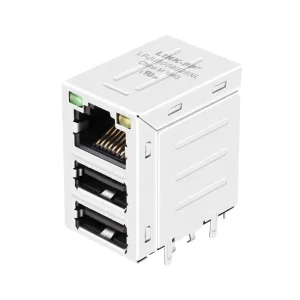
45F-10101DYD2NL JW0-0009NL C893-1AX1-E1 Magnetic RJ45 Connector Jack With Dual USB
View Technical SpecificationsDetailed answers to common technical queries and procurement specifications for global network deployments.
Integrated Connector Modules (ICMs) feature internal magnetic components—like isolation transformers, common-mode chokes, and shunt capacitors—directly inside the RJ45 housing. This layout helps shield physical layer (PHY) chips from high-voltage spikes, filters out common-mode electromagnetic noise, and keeps return loss low. Placing these parts inside the connector jack saves valuable space on the main PCB board, simplifies layout designs, and reduces overall noise levels across the system.
To ensure compatibility across different systems, every optical module undergoes automated testing. First, we program the module's internal EEPROM with the specific protocols and signatures required by major vendors (such as Cisco, Juniper, Arista, and Huawei). Next, we run the modules through actual switches and routers from these brands, testing them under thermal loads. This verification step ensures the modules are recognized correctly, read diagnostic data (DDM) accurately, and operate without system compatibility errors.
For custom orders, we offer contact pins with gold plating options ranging from Gold Flash to 3u", 6u", 15u", 30u", and 50u". For industrial and data center applications, we recommend 50u" gold plating. This thicker gold layer provides excellent protection against contact wear over repeated cycles and prevents oxidation in humid or harsh environments, ensuring long-term signal stability.
Power over Ethernet (PoE/PoE+) sends direct electrical current through copper pairs alongside data. This current can saturate the cores of standard isolation transformers, causing signal distortion and packet drops. To prevent this, RJ45 magnetic jacks designed for PoE applications use larger magnetic cores with small air gaps. This design prevents saturation at currents up to 350mA (PoE) or 600mA (PoE+) per pair. It also helps manage heat generation in dense switch setups.
Standard lead times range from 2 to 4 weeks depending on the complexity of the design, shell molds, and component availability. By maintaining a large stock of common SFP sub-assemblies, RJ45 shells, and magnetic components, we can often shorten pre-production planning and fast-track shipping for time-sensitive projects.
Outdoor network enclosures often experience extreme shifts in temperature and humidity. To prevent performance loss, our modules undergo temperature cycling testing, where they are cycled between -40°C and +85°C. This testing checks for thermal expansion issues in soldering points and monitors component parameters, helping prevent failures caused by thermal stress under harsh environmental conditions.
 FiberNova