Comprehensive Whitepaper on High-Speed Connectivity hardware, Advanced OEM/ODM Telecom Infrastructures, and Global Supply Optimization Dynamics
Engineered to ensure low signal attenuation, robust electromagnetic compatibility, and strict compliance with MSA and IEEE standards.
In the era of hyper-scale cloud deployments, high-performance edge computing, and intelligent Internet of Things (IoT) ecosystems, the demand for resilient physical networking infrastructure is growing at an unprecedented rate. To build reliable networks, infrastructure designers focus heavily on signal integrity, physical port optimization, and cost efficiency. This is where components like high-performance Ethernet splitters, magnetic-integrated RJ45 connectors, and fiber optic transceivers play a vital role.
Broadly speaking, an Ethernet splitter divides a single physical network line into multiple streams. This concept applies to passive cable splitters as well as complex active switching circuits, modular connectors, and physical layer transceiver engines. These devices provide network administrators with the tools to balance high-speed optical backbones with copper-based local connection hubs. By utilizing high-density RJ45 magnetic modules and high-speed SFP+ transceivers, network operators can scale enterprise-level hardware layouts without undergoing expensive redesigns of structural cabling networks.
For instance, standard RJ45 connectors with integrated magnetics ensure that high-frequency data signals are isolated from electrical noise, preventing packets from being lost due to electromagnetic interference (EMI). Meanwhile, SFP+ cages and multi-gigabit transceivers extend operational reaches over single-mode and multi-mode optical fibers, allowing networks to span up to 80 kilometers without degradation. Choosing the right components from established production centers is critical to maintaining network availability and achieving long-term technical reliability.
A statistical summary of our manufacturing capabilities, engineering assets, and global commercial reach.
When engineering high-density networking hubs, hardware development groups face two primary layout technologies: copper-based interfaces using RJ45 and fiber-optic-based structures utilizing SFP/SFP+ configurations. Both are essential for designing flexible Ethernet distribution systems, but they serve different roles in the networking stack.
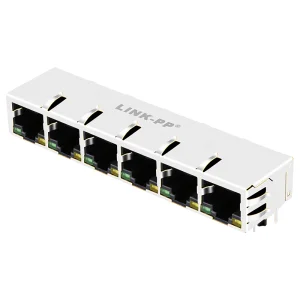
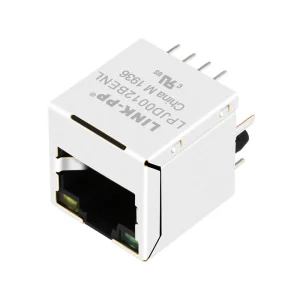
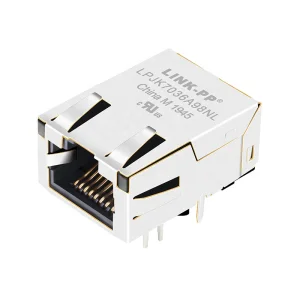
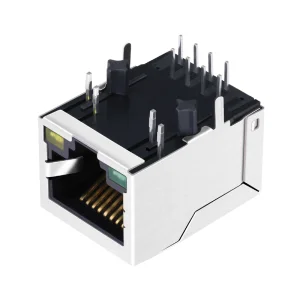
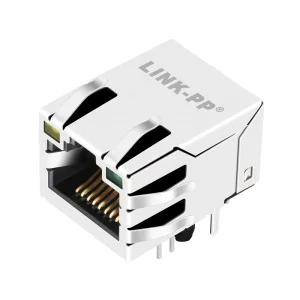
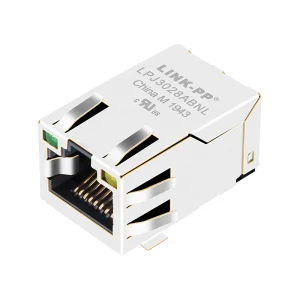
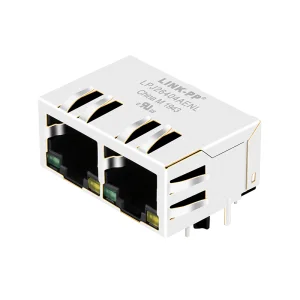
Did you know? Pass-through components like RJ45 connectors with integrated magnetics (often called MagJacks) incorporate micro-transformers and common-mode chokes. These components isolate electrical signals, remove noise, and protect sensitive physical-layer (PHY) silicon chips from static shocks and ground loop currents.
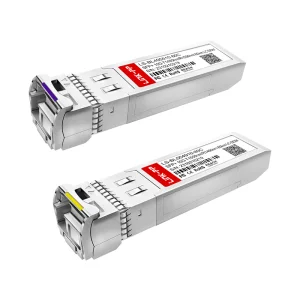
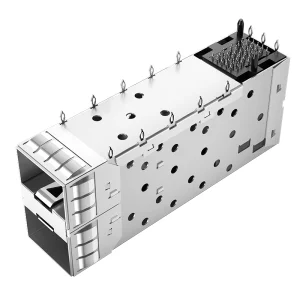
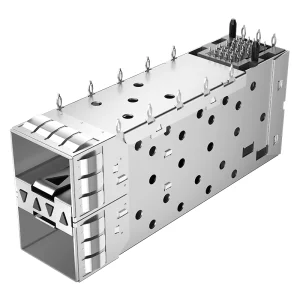
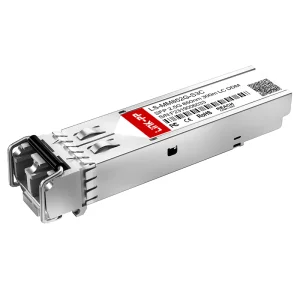
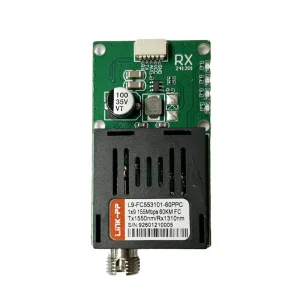
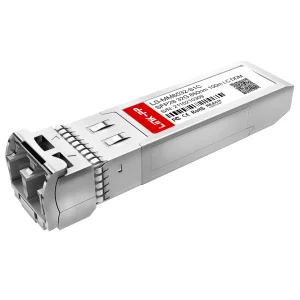
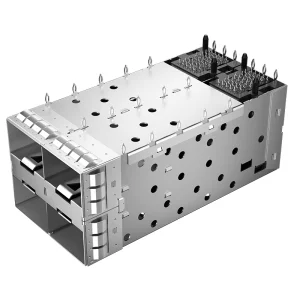
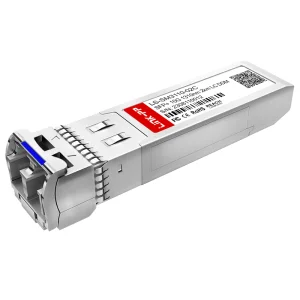
In contrast, optical transceivers convert electrical signals into optical signals. This conversion enables long-distance data transmission with virtually zero latency and complete immunity to EMI. Modern enterprise networks require hybrid systems that bridge these two media. A typical system might use an SFP+ transceiver to handle a 10Gbps optical uplink, and then use integrated RJ45 modular jacks to distribute the data to individual copper lanes on the switch fabric. SFP+ cages with EMI shielding-such as press-fit multi-port systems-prevent high-frequency radiation leakage, ensuring clean signal paths inside the chassis.
Understanding why leading enterprise networking brands partner with Chinese manufacturing hubs for custom OEM/ODM solutions.
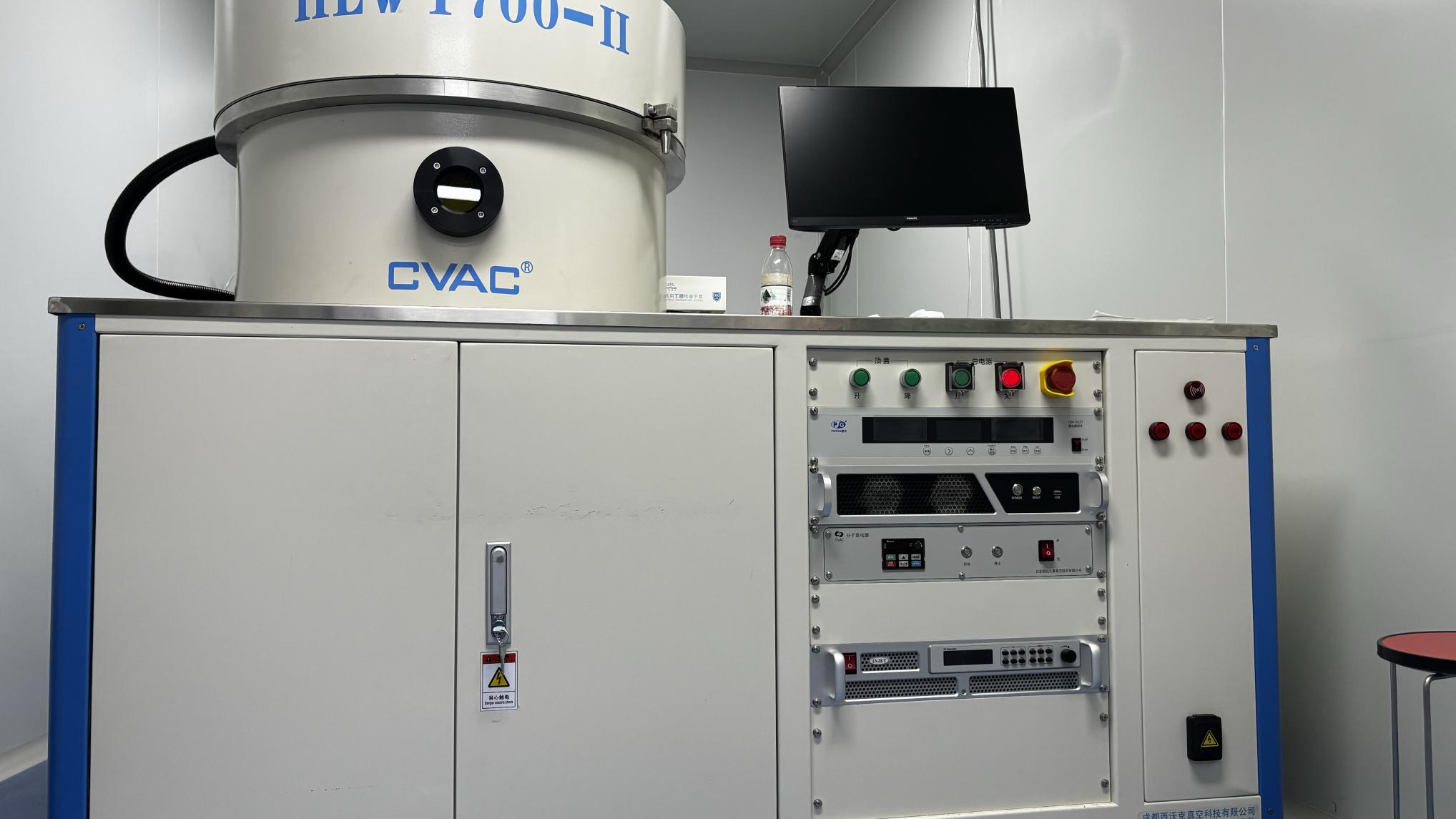
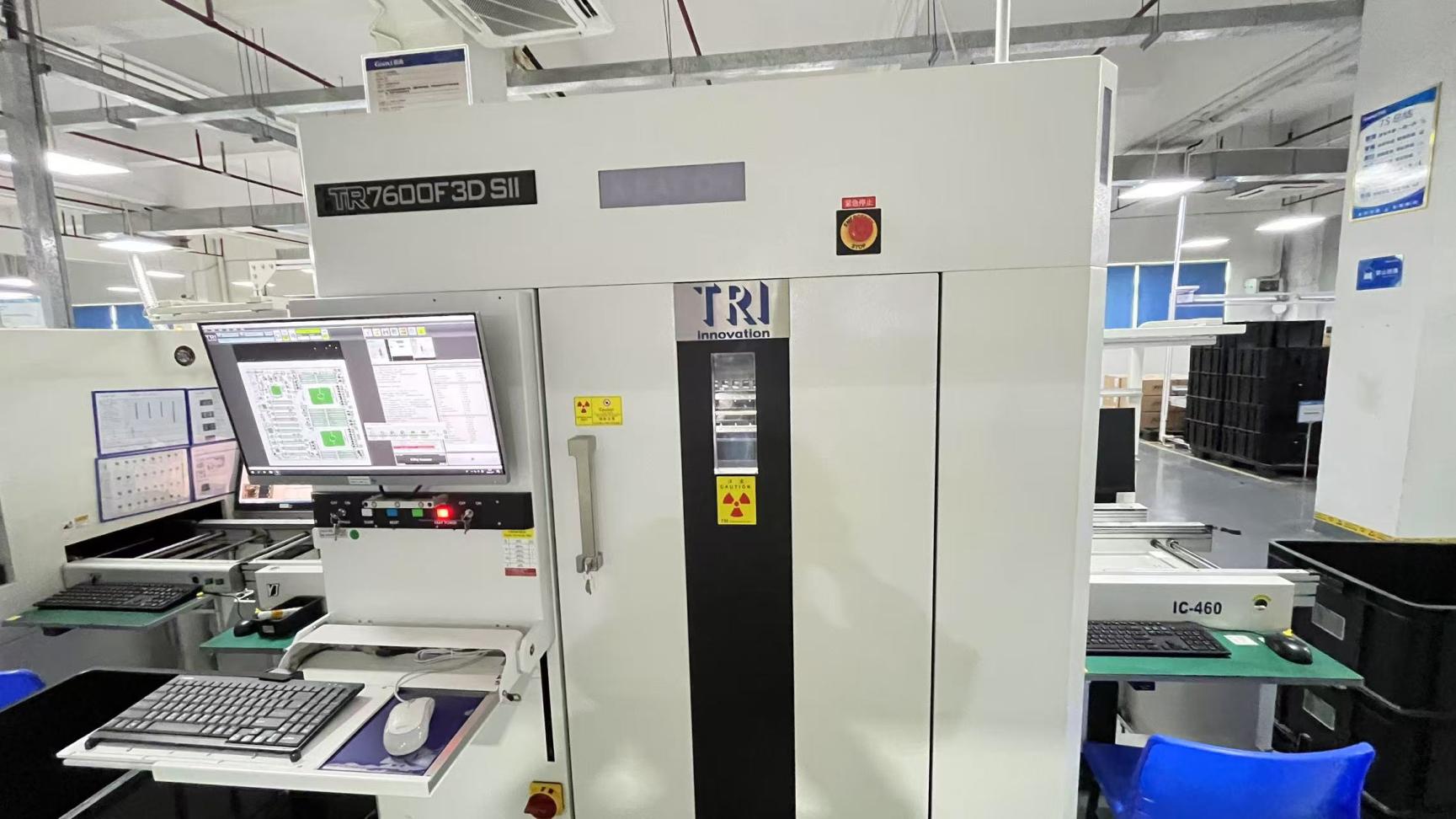
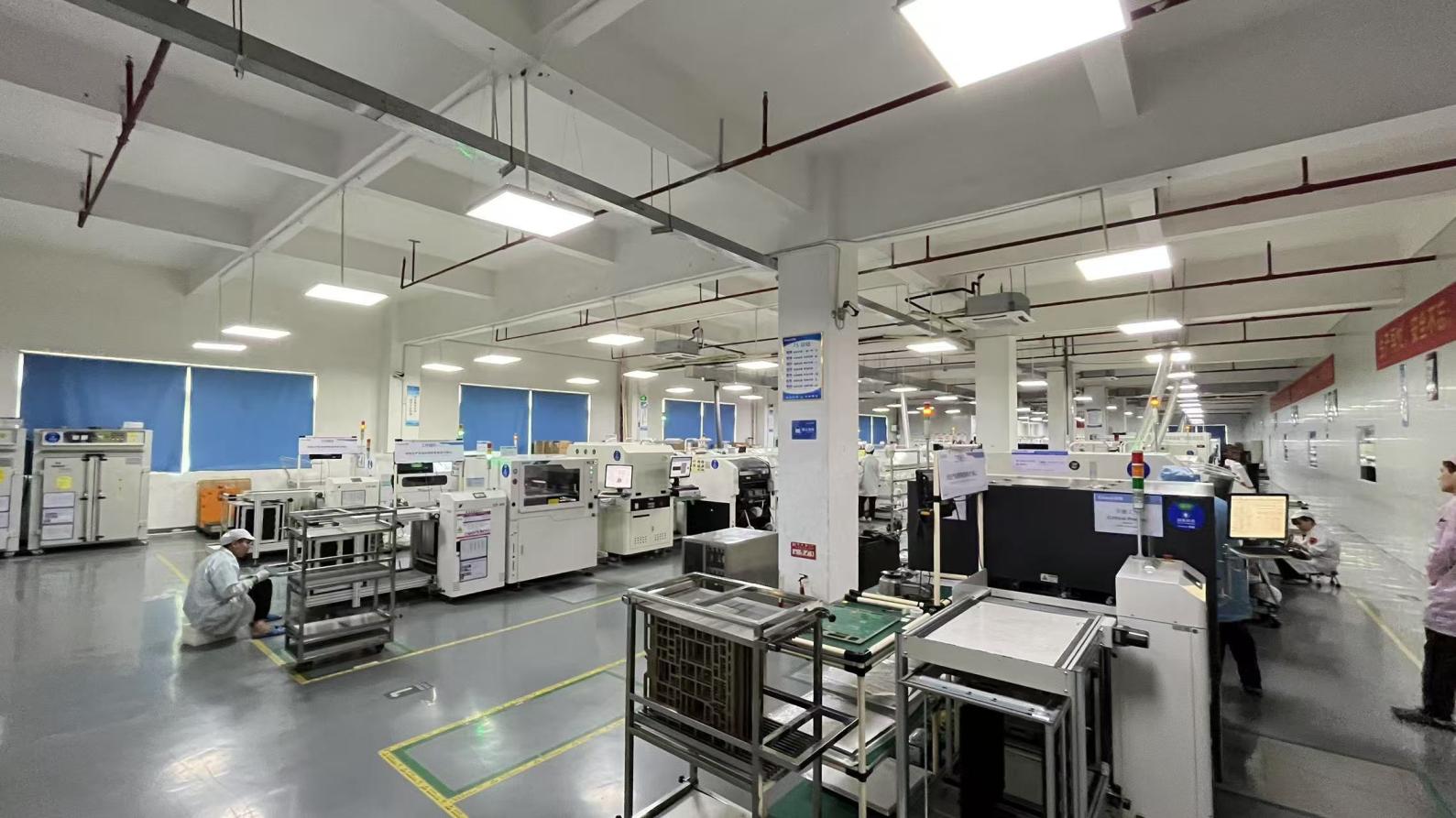
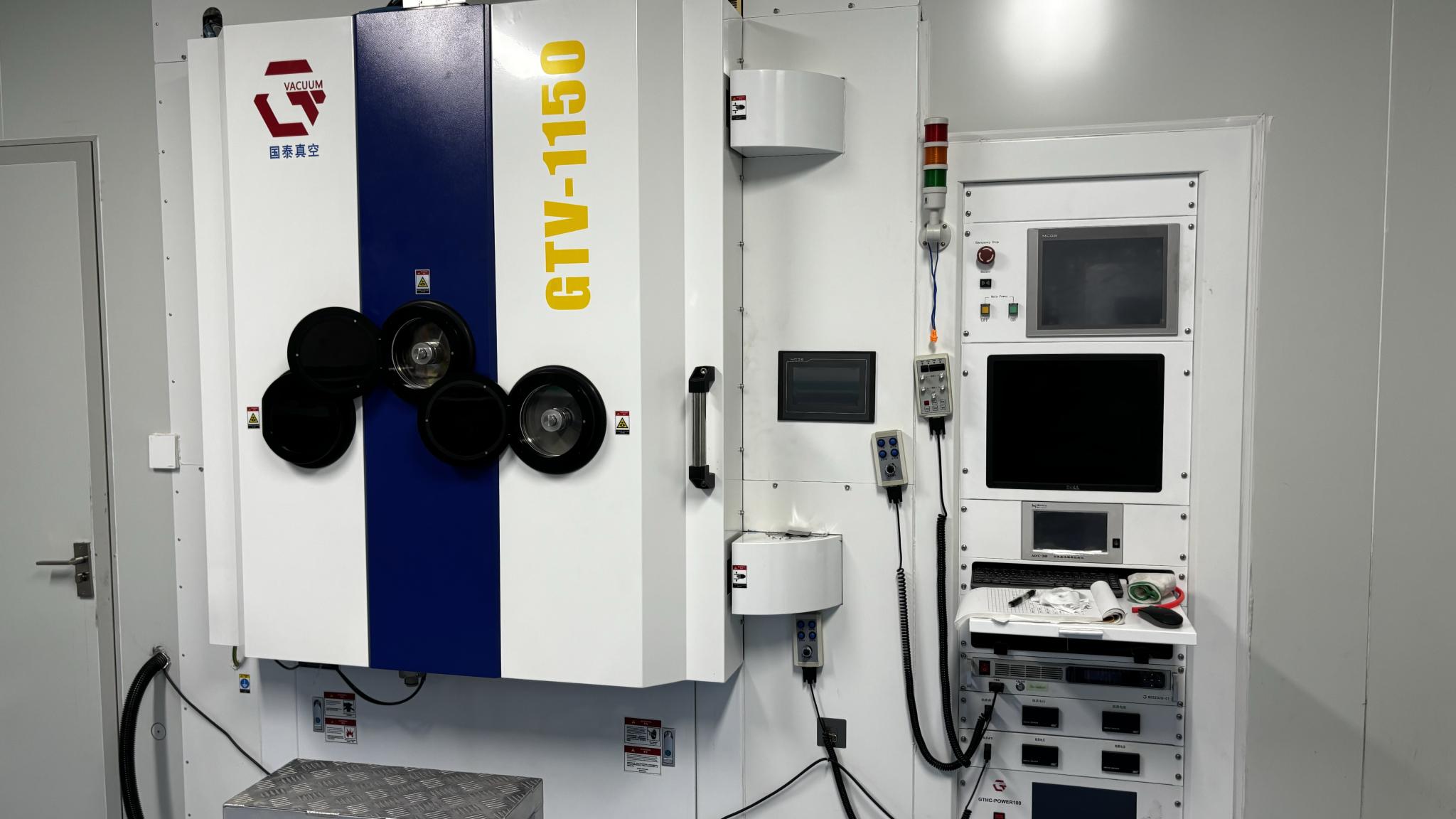
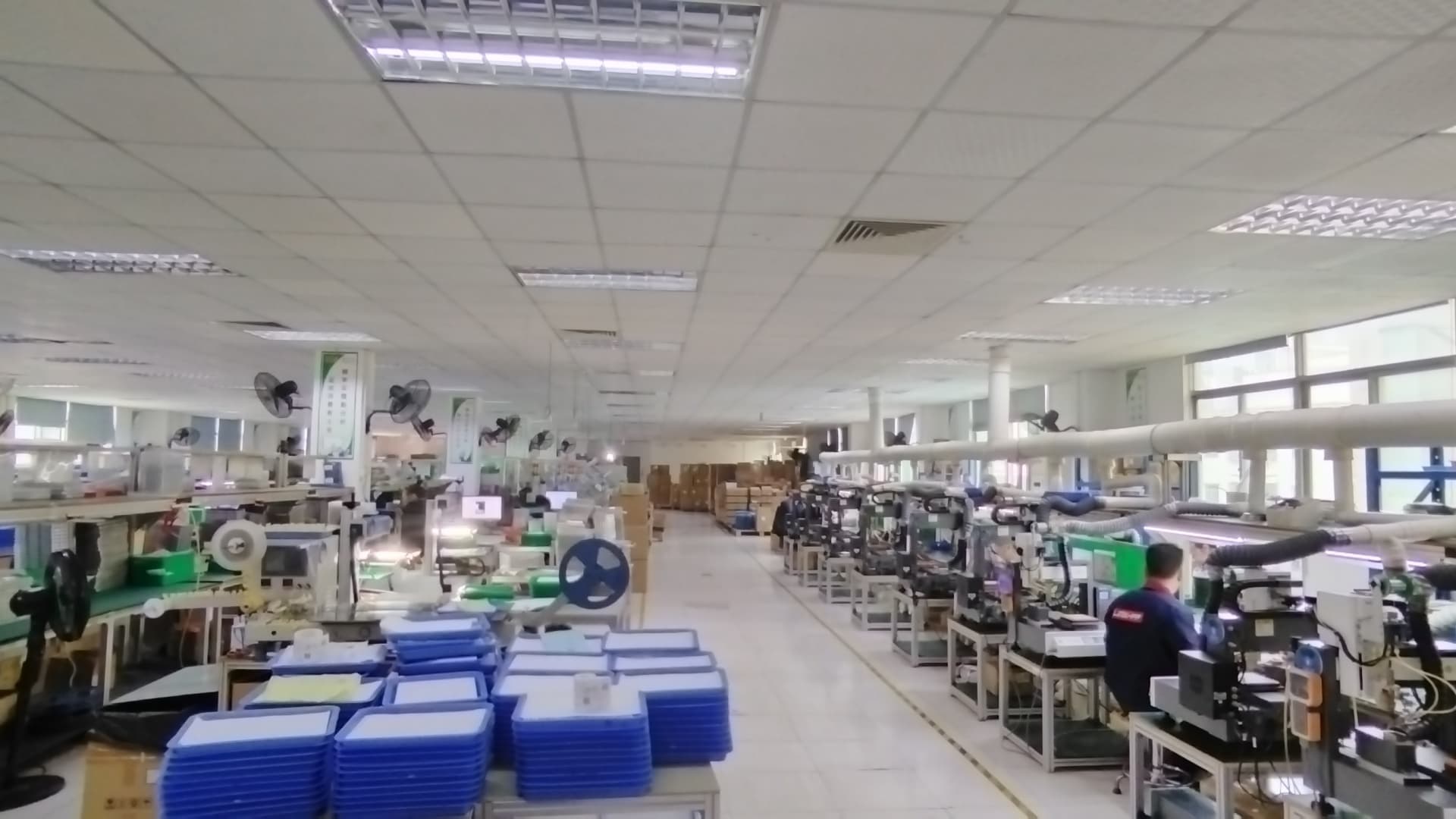
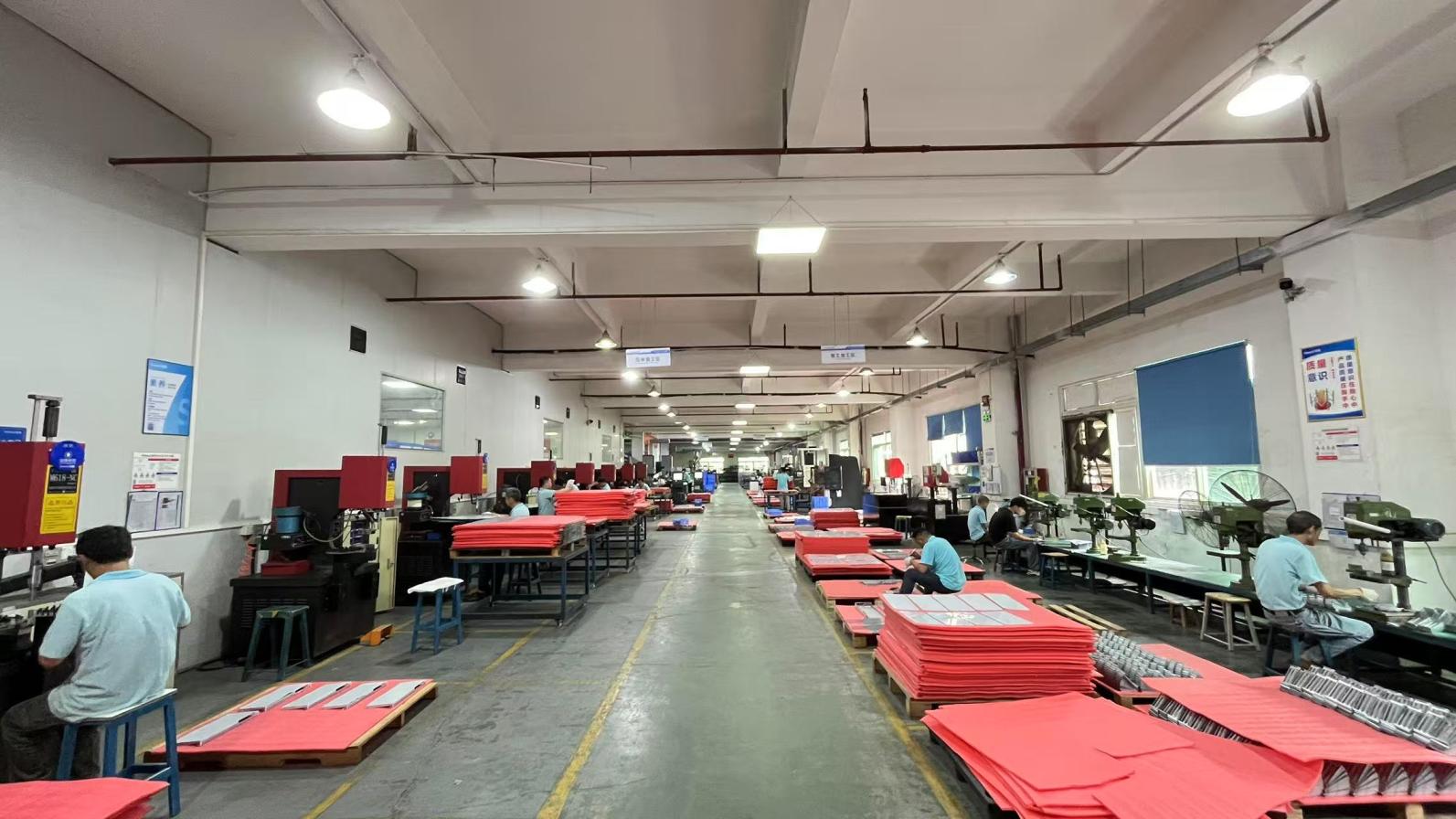
FiberNova Optical Communication Tech Co., Ltd. (FiberNovaTransceivers.com) is a professional optical transceiver manufacturer established in 2016, with a modern production facility covering approximately 380㎡. The company focuses on high-speed optical communication solutions, serving global data center and telecom customers with stable, high-performance products.
With over 6 years of export experience and 12 years of industry expertise, FiberNova has developed strong capabilities in R&D, manufacturing, and international trade. The company achieves an annual export revenue of approximately USD 8–15 million, supplying customers across North America, Europe, Southeast Asia, and the Middle East.
FiberNova operates with a strict quality control system, including 100% optical performance testing, temperature cycling tests, and signal integrity inspection before shipment. The quality assurance team consists of around 45 professional QC staff, ensuring every transceiver meets international standards such as IEEE and MSA compatibility requirements.
The company maintains a solid trade background with experienced export teams handling OEM and ODM projects worldwide. Its main markets include the United States, Germany, Japan, South Korea, and the United Arab Emirates. FiberNova has established long-term partnerships with more than 1,200 supply chain partners, enabling stable procurement of chips, lasers, and optical components.
FiberNova serves a wide range of clients, including telecom operators, cloud service providers, data center integrators, and network equipment distributors. The company has strong R&D capabilities, supported by 65 engineers, focusing on high-speed transmission technologies such as 10G, 25G, 100G, 400G, and 800G optical modules.
Customization is fully supported, including wavelength tuning, protocol compatibility, housing design, and labeling services. In the past year, FiberNova launched approximately 120 new products, continuously expanding its portfolio to meet fast-changing market demands.

Procurement departments at global enterprise companies must evaluate technical and logistical details when selecting networking hardware suppliers. Sourcing components like RJ45 connectors with integrated magnetics or optical transceivers requires looking beyond basic component specifications.
For example, MSA (Multi-Source Agreement) compliance is a key criterion. The Multi-Source Agreement guarantees that third-party transceivers will operate correctly in host systems from brands like Cisco, Arista, Juniper, and Huawei. Without proper MSA compliance, the host switch may reject the module, resulting in operational downtime. High-quality manufacturers ensure compatibility by programming EEPROM microcode on the transceivers to match the host systems' requirements.
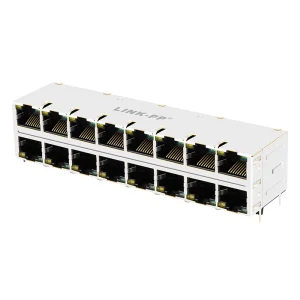
Another important factor is electromagnetic interference (EMI) protection. Products like SFP+ cages and multi-port RJ45 connectors need shielding to prevent high-frequency noise from disrupting system operations. This shielding is usually achieved using copper-alloy metal shielding tabs or integrated EMI gaskets. Buyers must also choose between through-hole technology (THT) and press-fit mounting. Press-fit designs do not require soldering, which simplifies assembly and speeds up maintenance.
Analyzing how these components integrate across different networking topologies and enterprise architectures.
Building reliable international networks requires following strict standards for security, compatibility, and environmental impact. Exporters of networking components must comply with these regulatory frameworks to ensure smooth shipping and worry-free installations in their destination countries.
Standard regulatory benchmarks include:
Working with manufacturers like FiberNova, who carry out 100% testing-including temperature cycling and signal integrity sweeps-helps procurement teams avoid compliance-related shipment holds or costly product recalls.
Expert insights on product compatibility, interface engineering, and procurement logistics.
High-density components designed for demanding high-frequency networks, fiber backbones, and telecom switching hubs.
 FiberNova