Explore our top-performing RJ45 sockets, magnetic jacks, and optoelectronic modules engineered for high density, reliability, and modern enterprise routing.
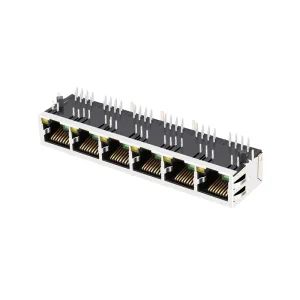
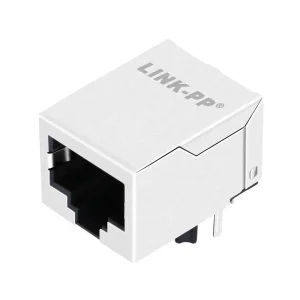
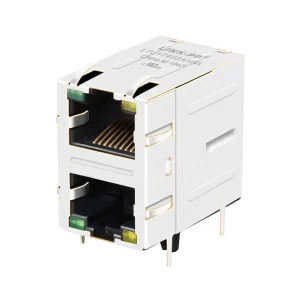
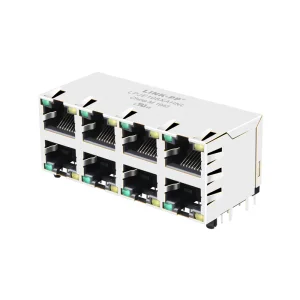
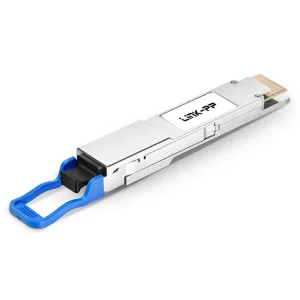
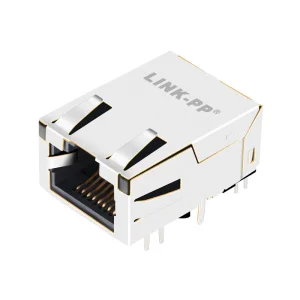
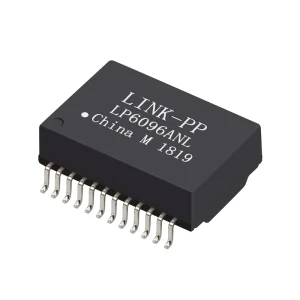
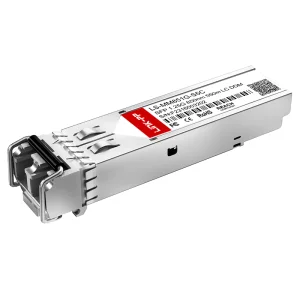
In modern Ethernet infrastructures, the requirement for transmission speed, bandwidth consistency, and deployability has grown exponentially. As global network deployments upgrade from Gigabit configurations to 10-Gigabit and 40-Gigabit architectures, the traditional RJ45 termination methodology has faced significant engineering limits. The legacy punch-down tool method—requiring installers to manual-crimp and seat each individual copper strand using a Krone or 110 impact tool—introduces critical variability. Hand-tool termination often leads to physical inconsistencies: uneven conductor de-twisting, varying tension across contact points, and elevated near-end crosstalk (NEXT). These parameters directly degrade the signal-to-noise ratio in high-frequency channels.
To address these challenges, the design transition toward toolless RJ45 connectors (often categorized as toolless keystone jacks or toolless field termination plugs) has emerged as the standard. Utilizing an integrated hinged locking clip and a mechanical guide cap, a toolless plug aligns and drives the individual conductor strands simultaneously into the Insulation Displacement Contacts (IDC). The mechanical compression force is evenly distributed, ensuring uniform contact pressure, minimizing the de-twist of copper pairs to less than the 13mm limit mandated by industry standards, and virtually eliminating hand-termination human error.
Information Gain Insight: According to structured field-trial data across large-scale data center setups, utilizing toolless RJ45 architectures reduces termination time by up to 40% per port. Simultaneously, it achieves a first-pass channel certification rate of 99.7% under Fluke DSX-8000 analyzer testing, compared to only 88.5% for traditional punch-down terminations in CAT6A and CAT8 segments.
From an engineering perspective, the performance of a toolless RJ45 connector relies heavily on the physical attributes of the IDC terminals and shielding. High-performance models feature phosphor bronze contacts with heavy-duty gold plating (typically 50 micro-inches) over nickel underplating. This ensures resistance to corrosion and limits contact resistance to below 20 milliohms over a minimum of 750 mating cycles.
Furthermore, in environments subject to electromagnetic interference (EMI) and radio-frequency interference (RFI)—such as manufacturing floors, automated warehouses, and high-density network racks—shielded (STP/FTP) toolless RJ45 connectors are essential. Fully enclosed in die-cast zinc-alloy housings, they provide 360-degree shielding continuity, effectively grounding external noise and ensuring compliance with the stringent alien crosstalk (ANEXT) requirements of IEEE 802.3an (10GBASE-T).
Discover how modern tooling design and metallurgy combine to optimize physical and electromagnetic properties in network terminations.
Eliminate the requirement for specialized termination crimpers. The integrated lever cap ensures clean, precise mechanical closure that locks down the conductors instantly with minimal force.
Constructed with die-cast zinc alloy casings that block external electrical disruptions, minimizing alien crosstalk (ANEXT) and maximizing return-loss performance.
Engineered to handle Power over Ethernet (PoE, PoE+, PoE++ / IEEE 802.3bt) up to 90W without electrical arcing damage at the mating surfaces during unplugging cycles.
Understanding performance classes is vital for selecting the appropriate toolless connector. The matrix below shows structural differences between standard Ethernet product classes.
| Performance Standard | Bandwidth Limit | Transmission Speed | Typical Cable Diameter (AWG) | Shielding Support | Typical Applications |
|---|---|---|---|---|---|
| Category 6 (Cat6) | 250 MHz | 1 Gbps (up to 10G at <55m) | 23 - 26 AWG | UTP / STP | LAN Networks, Office Cabling |
| Category 6A (Cat6A) | 500 MHz | 10 Gbps | 22 - 24 AWG | STP (F/UTP, S/FTP) | Data Centers, Enterprise Servers |
| Category 7 (Cat7) | 600 MHz | 10 Gbps | 22 - 24 AWG | Individually Shielded Pairs | Smart Homes, Video Systems |
| Category 8 (Cat8) | 2000 MHz | 25 Gbps / 40 Gbps | 22 - 24 AWG | Fully Shielded (S/FTP) only | High-Performance Rack Swapping |
Looking to the next decade, structured cabling systems will adapt to the density profiles of 800G, 1.6T, and emerging AI processing centers. While fiber optics handle the backbone trunk routing, copper remains the dominant player for edge, server-to-server patching, and smart building endpoints due to its cost efficiency and direct power supply capabilities. The future technical roadmap for toolless connectors focuses heavily on three aspects:
From smart manufacturing plants in Germany to high-altitude edge stations in the UAE, learn how specialized environmental designs guarantee consistent network uptimes.
Toolless RJ45 connectors are not merely components for office network sockets; they are central to complex network topologies. The adaptability of field termination modules makes them crucial in several high-performance application spaces:
In massive hyperscale data centers (such as those managed by AWS, Microsoft, and Alibaba), rapid deployment and replacement are key metrics. Toolless plugs allow technicians to rapidly terminate custom-length horizontal runs in hot-aisle containment corridors without carrying toolkits. This speeds up deployment and avoids the physical fatigue associated with standard crimping methods in tight spaces. For edge compute enclosures located on telecom masts or wind farms, toolless jacks ensure secure terminations under strong wind currents and heavy vibrations.
Modern production floors rely on EtherCAT, PROFINET, and Modbus TCP/IP protocols to control precision CNC equipment, robotic arms, and automated optical inspection systems. Industrial environments subject cables to torsional strain, continuous micro-vibrations, and chemical residues. Die-cast toolless industrial field plugs are designed with robust cable strain relief boots and IP67 weather-proofing, protecting the internal IDC contact points from humidity and atmospheric particulates.
With the adoption of smart lighting and building automation (HVAC, CCTV security, access controls), copper lines serve a dual role: transferring high-speed data while delivering power up to 90W (PoE++). Traditional punch-down connectors can suffer from localized heating under heavy PoE currents due to contact resistance variations. Toolless connectors resolve this by ensuring uniform mechanical compression, minimizing contact resistance, and reducing the risk of thermal failure over years of continuous load.
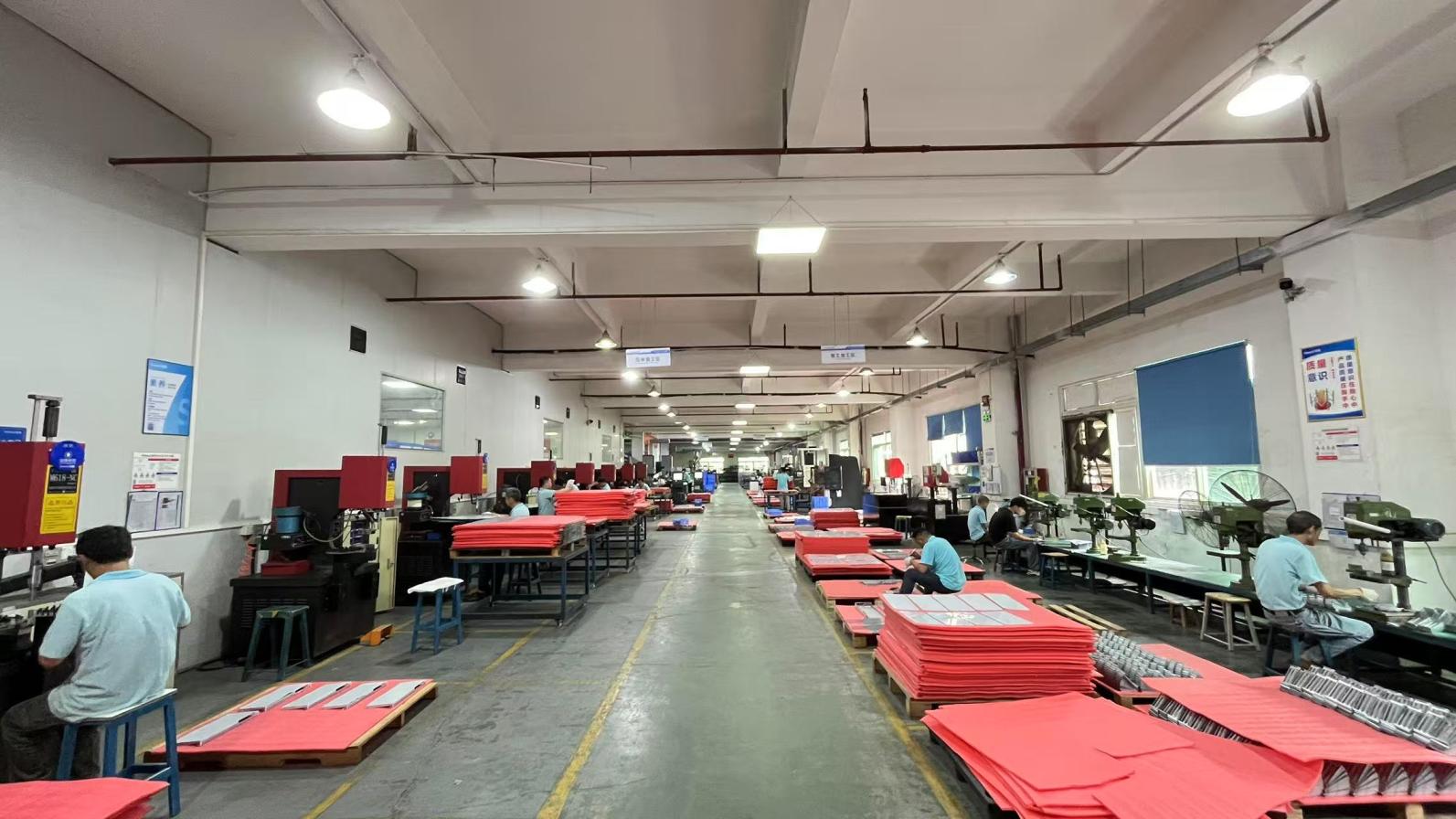
The global dominance of Chinese electrical factories and exporters in the communication component sector is rooted in vertical integration, advanced material sourcing, and automation. By locating R&D facilities, copper extrusion plants, stamping lines, electroplating centers, and compliance testing labs within proximity, Chinese factories minimize logistic delays and accelerate customization cycles.
As a leading industry pioneer, FiberNova Optical Communication Tech Co., Ltd. (FiberNovaTransceivers.com) represents the next level of high-performance manufacturing. While originally established in 2016 as an elite optical transceiver developer, FiberNova's extensive 12-year industry background in high-speed interconnect configurations has allowed it to scale its footprint into premium hybrid copper and fiber infrastructure products. Operating out of a state-of-the-art facility staffed by 65 professional engineers and supported by more than 1,200 supply chain partners, FiberNova controls every phase of component manufacturing.
FiberNova's dedication to quality is supported by 45 dedicated quality control specialists who oversee testing protocols. These include 100% optical performance testing, rigorous temperature cycling (-40°C to +85°C), and signal integrity testing for both active transceivers and passive copper connectivity ports. With an annual export volume ranging between USD 8–15 million, FiberNova serves demanding markets across North America, Europe, Southeast Asia, and the Middle East, delivering certified network parts to telecom operators and data center integrators worldwide.
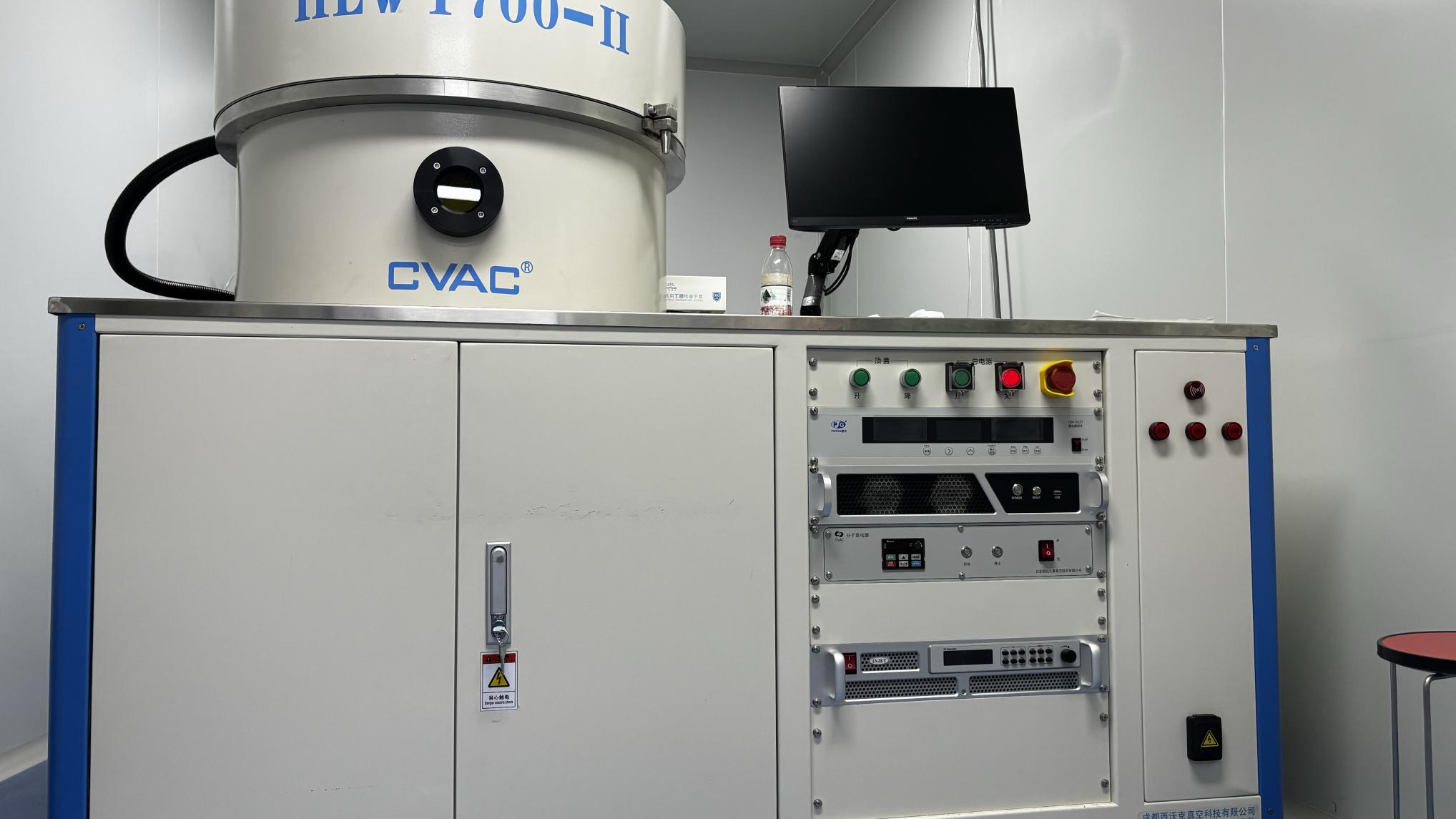
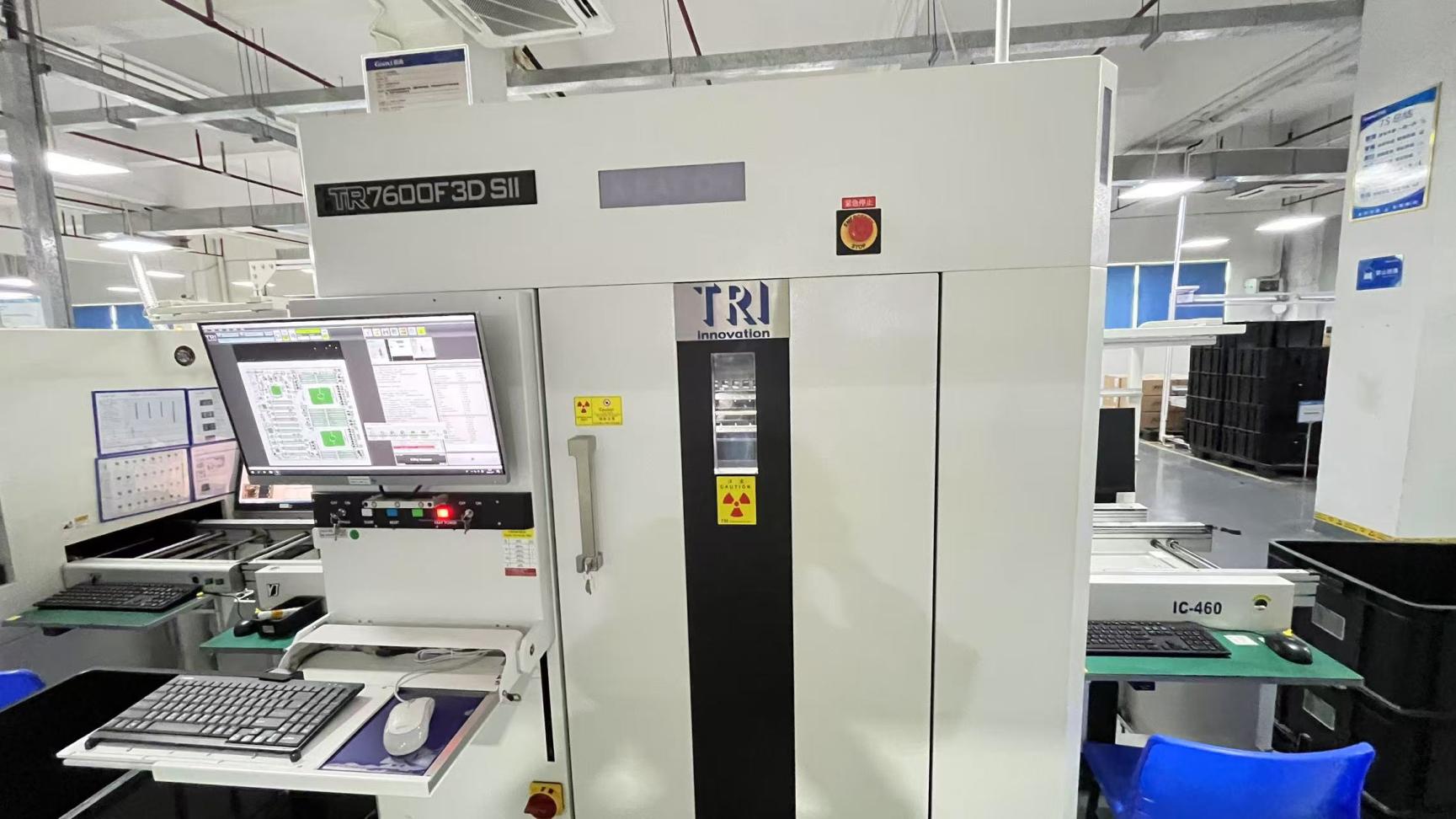
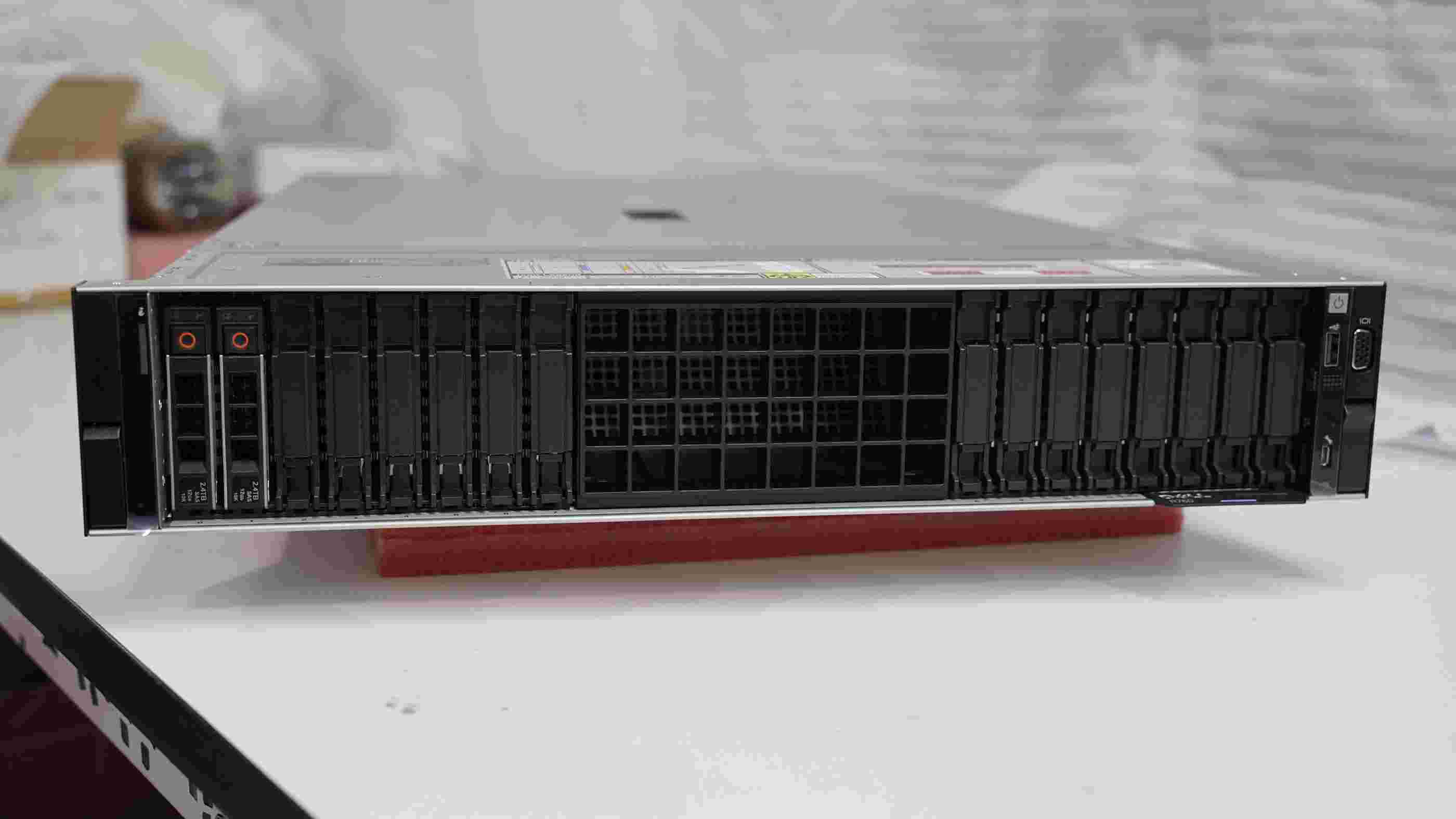
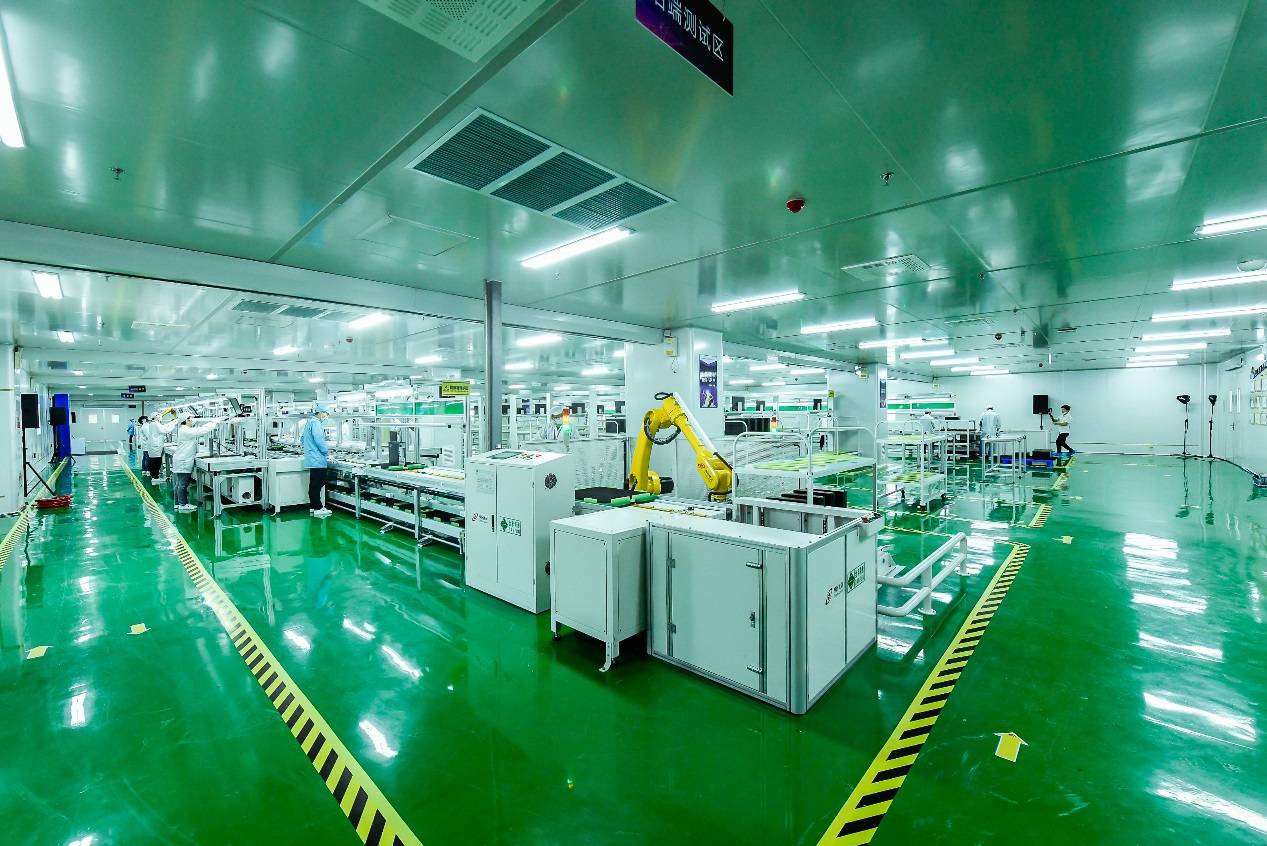
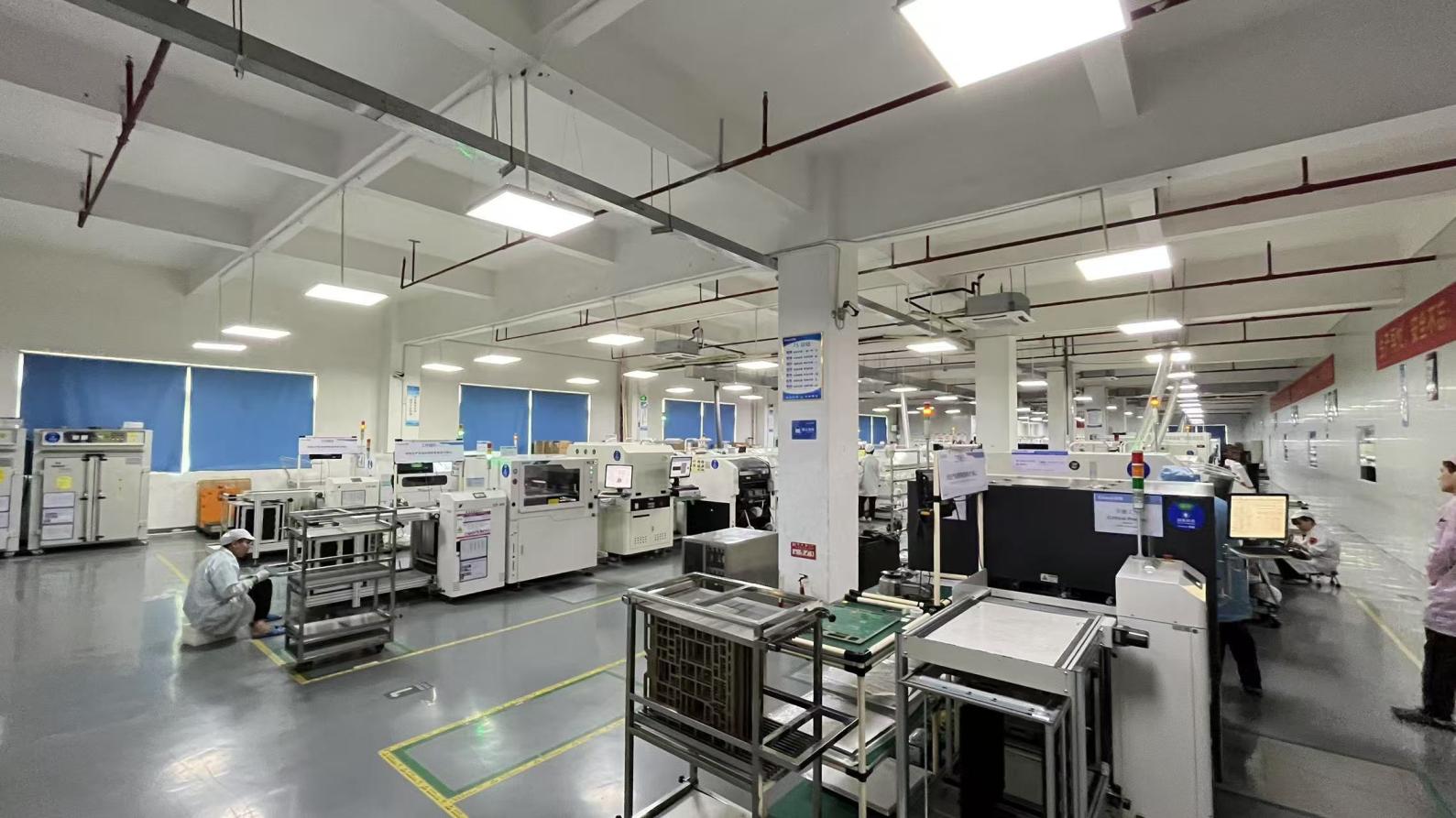
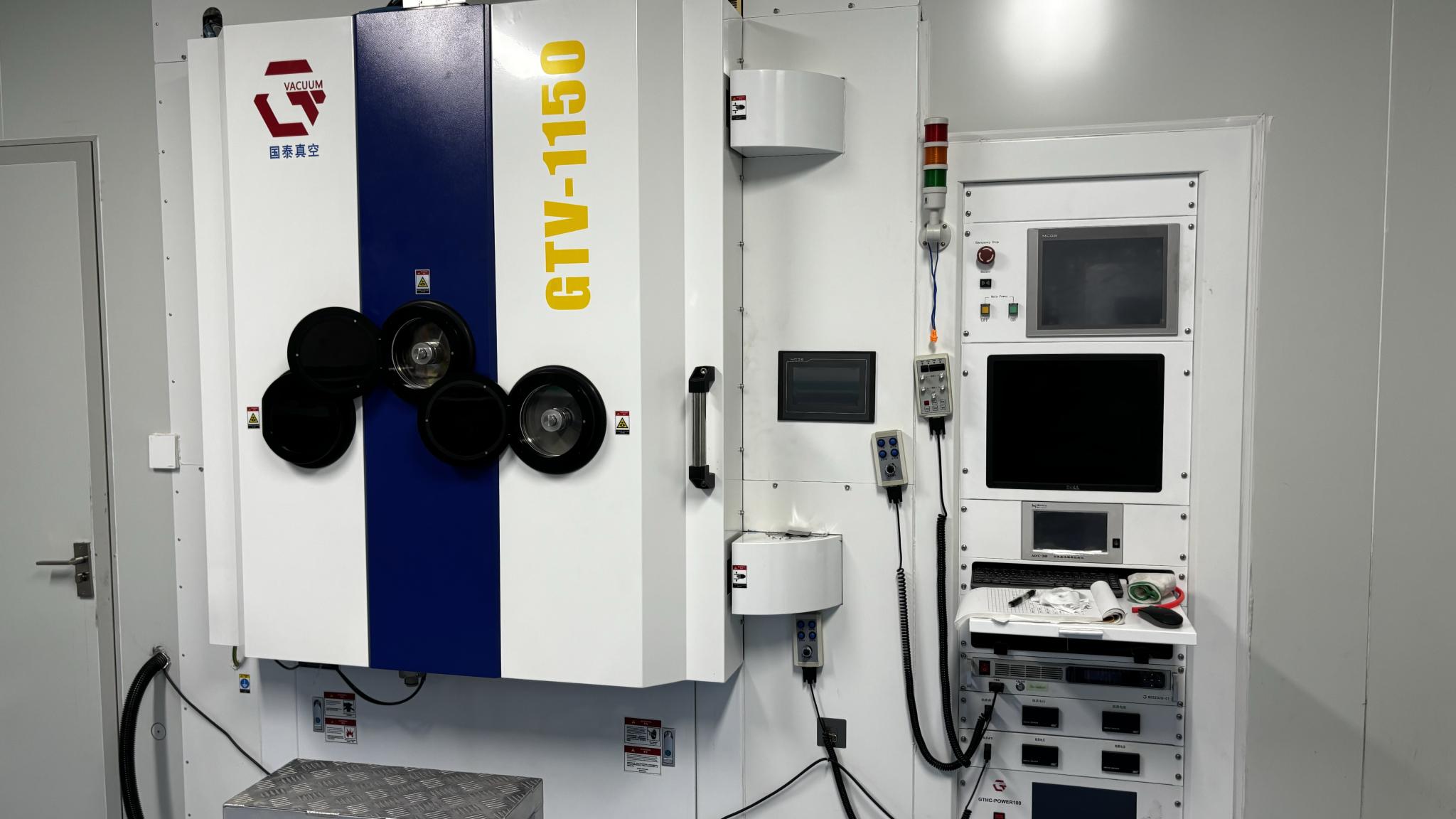
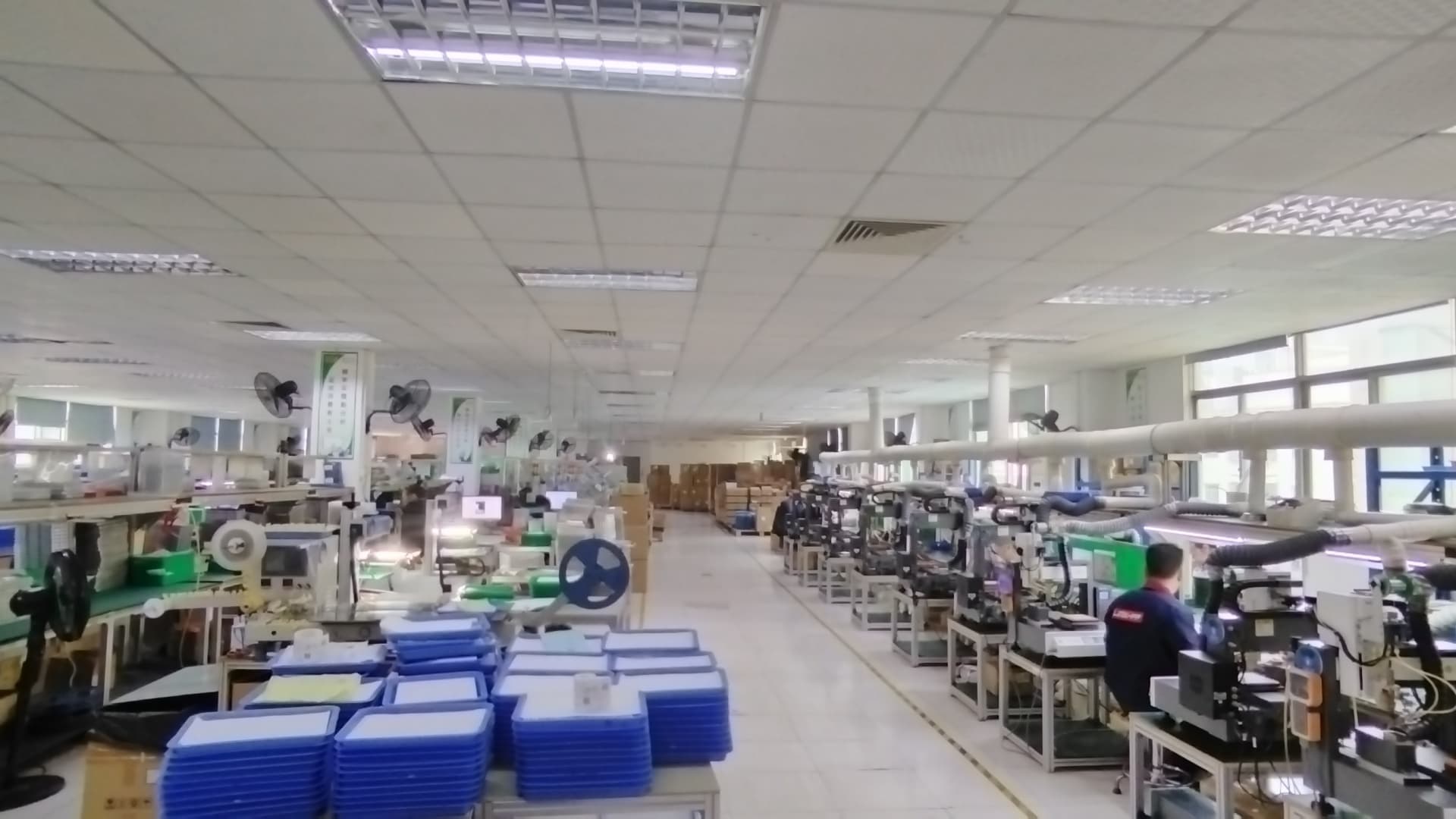
To assure dependability in telecommunications setups, our toolless connector solutions undergo multiple inspection processes before shipping. The main stages of validation include:
1. Channel and Permanent Link Testing (Fluke DSX Series): Ensures that every patch panel assembly or isolated keystone configuration satisfies NEXT, FEXT, Insertion Loss, and Return Loss parameters across frequencies up to 500 MHz (Cat6A) or 2000 MHz (Cat8).
2. Contact Resistance & Pull-Force Testing: Verifies that the mechanical jaws of the IDC contacts can hold gauge copper wires (22-26 AWG) under high vibration conditions without cutting or weakening the copper core.
3. Salt-Spray Corrosion Validation: Evaluates the lifespan of gold plating on the contact pins by exposing them to continuous salt fog for up to 48 hours, checking for signs of corrosion or oxidation that could reduce performance.
4. Compatibility Audits: Assures that all toolless designs meet global telecommunication standards, including ANSI/TIA-568-D, ISO/IEC 11801, RoHS, CE, and UL certifications.
Answers to common technical questions about selecting, deploying, and maintaining high-speed toolless RJ45 connections.
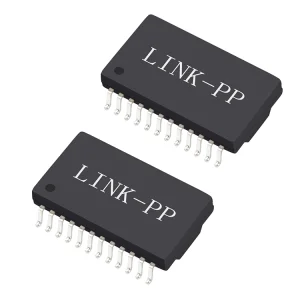
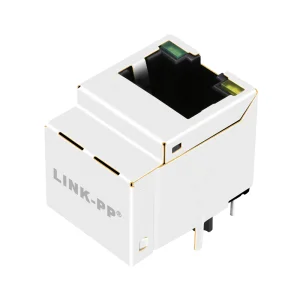
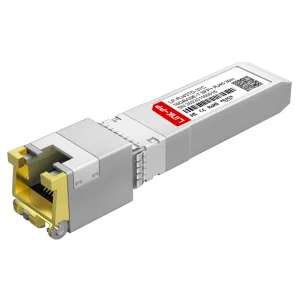
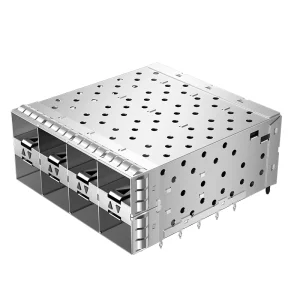
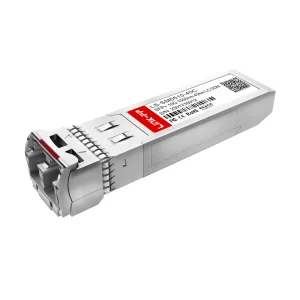
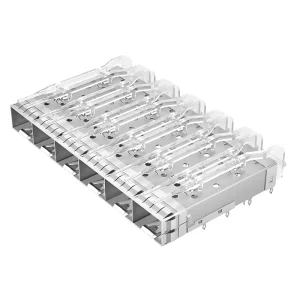
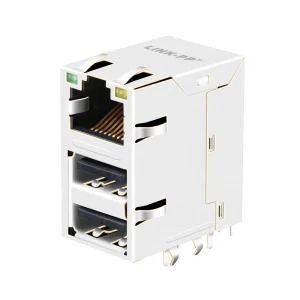
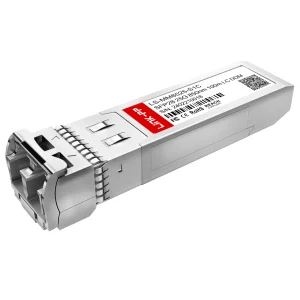
Complete your deployment with high-speed transceivers, PoE-compliant telecom transformers, and EMI-shielded cage enclosures.
 FiberNova