In today's fast-paced digital landscape, the need for high-speed data transmission is imperative. Reports indicate that fiber optic networks can provide data rates surpassing 100 Gbps. This capacity is essential for businesses aiming to enhance their communication efficiency. A fiber optic transceiver is critical in achieving these high-performance standards, as it converts electrical signals into optical signals and vice versa.
Companies investing in fiber optic technology see significant returns. For instance, the global demand for fiber optic transceivers is projected to reach $7 billion by 2025, reflecting a robust growth trajectory. Yet, many organizations remain hesitant to make the switch. This hesitation often stems from a lack of understanding of the technology and its benefits. A fiber optic transceiver allows for increased bandwidth and reduced signal degradation over long distances.
However, choosing the right transceiver can be challenging. Not all products offer the same performance and reliability. It's crucial for businesses to assess their specific needs before making a purchase. Failure to do so might lead to costly mistakes in the long run. In essence, investing in a fiber optic transceiver can streamline operations, but careful consideration is needed to ensure the right fit for network requirements.
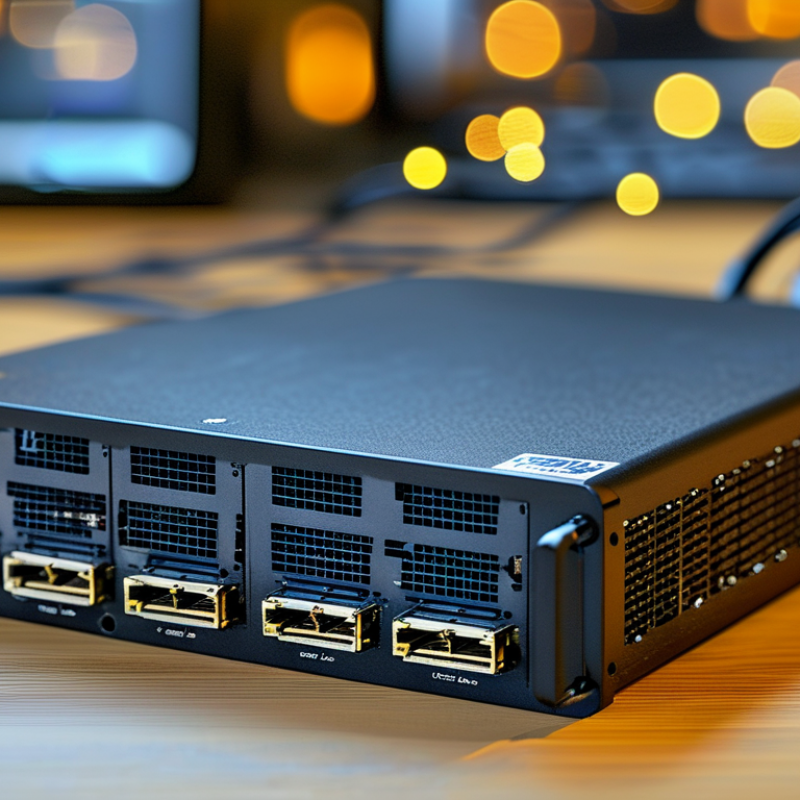
Understanding Fiber Optic Transceivers: An Overview
Fiber optic transceivers play a crucial role in network infrastructure. They convert electrical signals into optical signals and vice versa. This conversion allows for faster data transmission over long distances without significant loss. The technology utilizes light to transmit information, achieving speeds that traditional copper cables cannot match.
Understanding how these transceivers work helps make better networking decisions. They come in various types, catering to different needs. For instance, multimode transceivers are suitable for short distances, while single-mode transceivers excel over longer runs. Recognizing your specific requirements is vital. Many companies may overlook these details, which can lead to performance issues.
While fiber optic transceivers offer many advantages, they are not without challenges. Installation can be complex, requiring specialized knowledge. Additionally, choosing the wrong type can hinder network efficiency. It is essential to evaluate the unique demands of your network before making a purchase. A well-informed approach ensures optimal performance and reliability in your data transmission needs.
Key Advantages of Using Fiber Optic Transceivers
Fiber optic transceivers are essential for modern networks. They enable high-speed data transmission, crucial for both enterprises and online services. Reports indicate that fiber optics can reach speeds of up to 100 Gbps, significantly outperforming traditional copper wires. The growing demand for bandwidth is evident; studies show that global internet traffic surged by 25% over the past year alone.
One key advantage of fiber optic transceivers is their superior distance capabilities. They can transmit signals over 40 kilometers without significant loss. In contrast, copper connections often struggle beyond 100 meters. This is particularly valuable for organizations with large campuses or those connecting different buildings. Reliability is crucial; fiber optic networks are less susceptible to electromagnetic interference, ensuring stable connections.
Additionally, fiber optics are more future-proof. The technology continues to evolve, supporting advancements like 400 Gbps speeds. However, transitioning to fiber can be challenging. Organizations must consider installation costs and staff training. Experts recommend evaluating current infrastructure needs and planning for scalability. Balancing expenses with performance is vital in making the right choice.
Why Choose a Fiber Optic Transceiver for Your Network Needs? - Key Advantages of Using Fiber Optic Transceivers
| Advantage |
Description |
Impact on Network |
| High Bandwidth |
Supports data rates from 1 Gbps to 100 Gbps and beyond. |
Enables faster data transmission, improving overall performance. |
| Long Range |
Effective for distances up to 80 km or more with minimal signal loss. |
Reduces the need for repeaters and amplifiers in large networks. |
| Immunity to Electromagnetic Interference |
Resistant to interference from electrical devices, ensuring reliable performance. |
Enhances network reliability and reduces downtime. |
| Lightweight and Compact |
Smaller than copper cables, making installation easier in tight spaces. |
Facilitates flexible network design and deployment. |
| Cost-Effective for Long Term |
Lower maintenance costs compared to copper wiring. |
Offers savings in the long run as technology scales. |
Applications of Fiber Optic Transceivers in Modern Networks
Fiber optic transceivers are pivotal in modern networks. They ensure
high-speed data transmission, reducing latency significantly. This technology plays a key role in various applications.
For instance, in telecommunications, they facilitate seamless internet connectivity. The ability to transmit data over long distances without loss makes them
indispensable.
In data centers, fiber optic transceivers support massive bandwidth demands. They enable quick
data retrieval and storage. The growing trend of cloud computing relies heavily on these transceivers for efficiency.
Video streaming services also benefit. High-definition content streaming requires robust data transfer capabilities, and fiber optics meet these demands.
However, there are challenges. Installation can be complex, requiring skilled technicians. Fiber
cables are more fragile than copper, making them susceptible to damage. Organizations must weigh these factors when integrating fiber optics. Despite these challenges,
the advantages are clear: enhanced speed, capacity, and reliability are hard to overlook in today’s data-driven world.
Comparing Fiber Optic Transceivers with Traditional Solutions
When considering network solutions, fiber optic transceivers stand out. They offer advantages over traditional copper solutions. According to a recent industry report, fiber optics can transmit data over distances exceeding 40 kilometers without significant signal degradation. This distance makes them ideal for expansive networks.
In terms of speed, fiber optic transceivers typically support data rates up to 400 Gbps. In contrast, traditional solutions often cap out at 1 Gbps or 10 Gbps, limiting scalability. However, transitioning to fiber optics may require a more substantial upfront investment, which can be a barrier for some organizations.
Another aspect to consider is durability. Fiber optics are less prone to interference from electromagnetic forces. This quality leads to more stable connections. However, the fragility of fiber cables can be a concern. Understanding these factors is crucial when choosing the right solution. Ultimately, the decision must align with your organization's unique needs and budget.
Comparison of Data Transmission Speeds: Fiber Optic Transceivers vs. Traditional Copper Solutions
Factors to Consider When Selecting a Fiber Optic Transceiver
When selecting a fiber optic transceiver, several factors must be considered. One important aspect is the transmission distance. Different transceivers have varying ranges. Some can only transmit data over a few hundred meters, while others can reach several kilometers. According to the Optical Fiber Communication Conference, long-range transceivers are critical in data centers and telecommunication networks, where distances exceed standard limits.
Another key consideration is the data rate. Most modern networks operate at speeds ranging from 1 Gbps to 400 Gbps. The choice of transceiver should match your network's bandwidth needs. Using a transceiver that exceeds requirements can lead to unnecessary costs without performance gains. The "Cisco Annual Internet Report" states that global IP traffic will reach 4.8 zettabytes annually by 2022, emphasizing the need for high-speed solutions.
Tips: Always assess your current and future needs before making a purchasing decision. Analyze your network's growth potential. Opting for upgradeable transceivers can save costs in the long run. Additionally, make sure to evaluate compatibility with your existing infrastructure to avoid connectivity issues. It's crucial to strike a balance between cost and performance, as the cheapest option might not suit your network's demands.
Conclusion
Fiber optic transceivers are essential components in modern networking, providing high-speed data transmission over long distances with minimal loss. Understanding their workings reveals key advantages, such as increased bandwidth, enhanced performance, and improved signal integrity compared to traditional copper solutions. These transceivers play a pivotal role in various applications, including data centers, telecommunications, and enterprise networks.
When selecting a fiber optic transceiver, several factors must be considered, including compatibility, distance requirements, and future scalability. By evaluating these aspects, network professionals can ensure they choose the right transceiver to meet their specific needs, ultimately leading to a more efficient and reliable network infrastructure.

 FiberNova