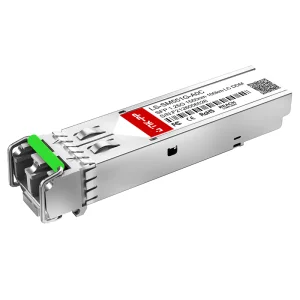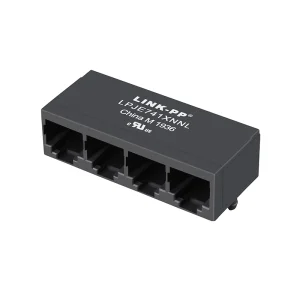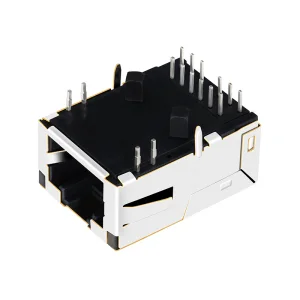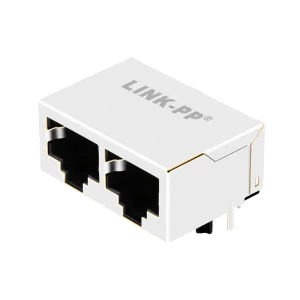
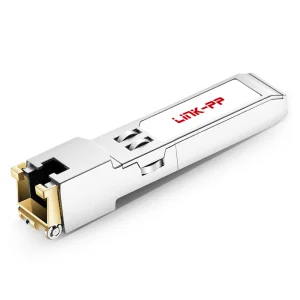
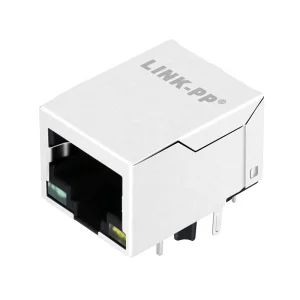
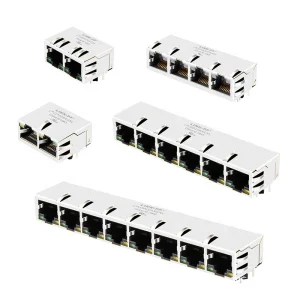
When selecting a top wireless router supplier, procurement teams often over-index on raw wireless bandwidth specs (like Wi-Fi 6E/7 theoretical rates) while ignoring the physical uplinks and optical backhauls. In modern high-density wireless environments, the wireless network's real capacity is fundamentally bottlenecked by the router's physical wired interface components—specifically SFP+ optical transceivers, RJ45 ports, and LAN magnetic filters.
This whitepaper goes beyond simple consumer-grade listings. We analyze the core criteria of leading enterprise router suppliers and the micro-components that drive their reliability. Suppliers must guarantee robust signal integrity, compliance with international standards, and end-to-end component testing to protect against latency spikes and network failure.
A wireless router handling up to 10 Gbps of wireless throughput requires multi-gigabit Ethernet interfaces. Without high-quality shielded SFP cages and integrated magnetics, electromagnetic interference (EMI) degrades packet transmission, resulting in retransmissions that cripple Wi-Fi performance.
How leading router manufacturers design high-speed uplink structures for diverse network topologies.
Enterprise routing centers utilize Software-Defined Networking (SDN) to direct dynamic traffic. Sourcing partners must deliver optical components that support rapid telemetry feedback and hot-pluggable interfaces for seamless expansions.
Industrial routing nodes operate in harsh environments. Suppliers must ensure all copper connectors and optical modules support extended operating temperatures (-40°C to +85°C) to prevent network degradation.
Fixed Wireless Access (FWA) and Fiber-to-the-Home (FTTH) networks require multi-gigabit gateways. Integrated SFP/SFP+ configurations are critical for bridging optical signals into localized Wi-Fi channels.
The rapid shift to Wi-Fi 7 (802.11be) is pushing local wireless network speeds beyond 40 Gbps. As a result, router manufacturers must redesign their backhaul ports. Sourcing high-quality 10G/25G optical transceivers and high-integrity RJ45 interfaces has become a primary bottleneck for global network equipment providers.
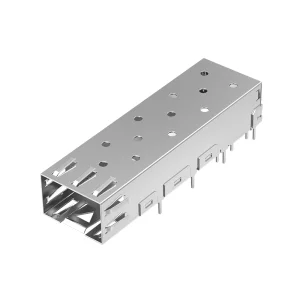
Moreover, strict EMI emission certifications mean that selecting structural cages (such as TE replacement EMI-shielded SFP cages) is critical for passing regional compliance testing in North America and Western Europe.
In the global enterprise and telecommunication fields, the demand for stable high-capacity hardware has peaked. Organizations are updating old switchboards and wireless access points to handle bandwidth-intensive applications like AI processing, real-time industrial telemetry, and high-definition video conferencing.
Industrial router suppliers face pressure to build resilient, redundant supply chains. This requires partnerships with tier-1 components manufacturers who can secure raw laser chips, modular filters, and precision-engineered metal housings despite global silicon shortages.
Optical Performance Tested
Industry Expertise
Supply Chain Partners
Active R&D Engineers
When choosing network infrastructure manufacturers, technical leads prioritize these ten core parameters to ensure network integrity.
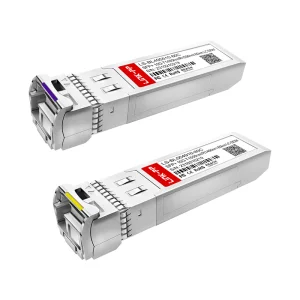
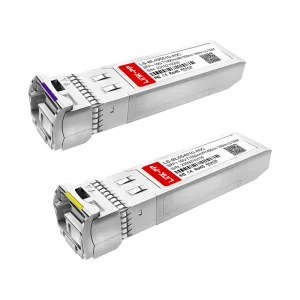
Precision lasers are required for long-distance bidirectional optical links to prevent signal attenuation over single-mode fibers.
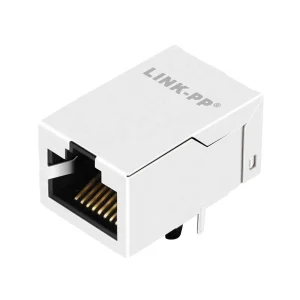
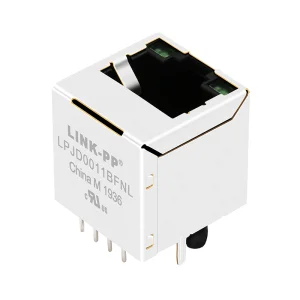
Visible LED status lights on RJ45 connectors simplify field troubleshooting and connection monitoring in high-density server racks.
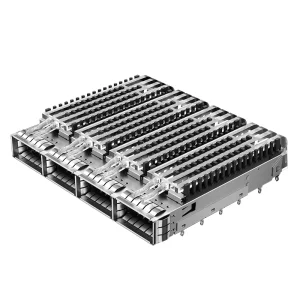
Integrated heat sinks on SFP/SFP+ metal cages pull heat away from active optical transceivers, extending the lifespan of network cards.
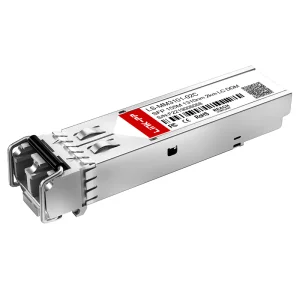
Adherence to Multi-Source Agreements ensures optical transceivers are compatible with Cisco, Juniper, Huawei, and other major router vendor switchboards.
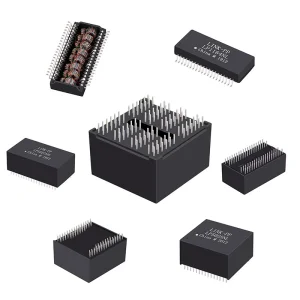
Magnetic modular components isolate high-frequency noise, enabling clean data transmissions across 10G copper connections.
Complete metal housings shield SFP and RJ45 jacks to minimize electromagnetic radiation and external field interference.
Premium gold plating and rugged locking tabs prevent connector detachment due to cable tension in high-traffic installations.
Precision optical assemblies minimize DB signal attenuation, guaranteeing stable connections over 80km+ transmission spans.
Components must survive industrial environments, maintaining signal integrity under extreme high or low temperatures.
Optical interfaces must support a range of protocols, including Ethernet, Fibre Channel, and SONET, without latency overhead.
Exporting high-frequency telecommunications hardware requires compliance with national and regional regulatory standards. System integrators and router manufacturers rely on components that meet RoHS, CE, FCC, and IEEE specifications. This ensures equipment can be imported, installed, and operated without regulatory delay.
Additionally, localized engineering support is essential. Field application engineers must be available to debug transceiver microcode and resolve compatibility issues with local routing platforms. High-quality physical components reduce hardware failure rates, protecting against costly site visits and downtime in mission-critical networks.
By partnering with suppliers who implement strict testing, network designers ensure their high-speed deployments operate reliably long-term.
Discover how these high-capacity connectivity solutions perform in enterprise, telecom, and industrial networking environments.
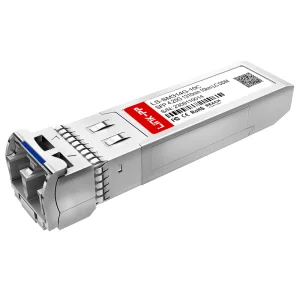
Connecting server racks to core switches using 10GBASE-T SFP+ copper modules and fiber transceivers to support high-density databases and hybrid cloud services.
Deploying industrial-grade RJ45 connectors with integrated magnetics to isolate electromagnetic noise from high-voltage manufacturing machinery.
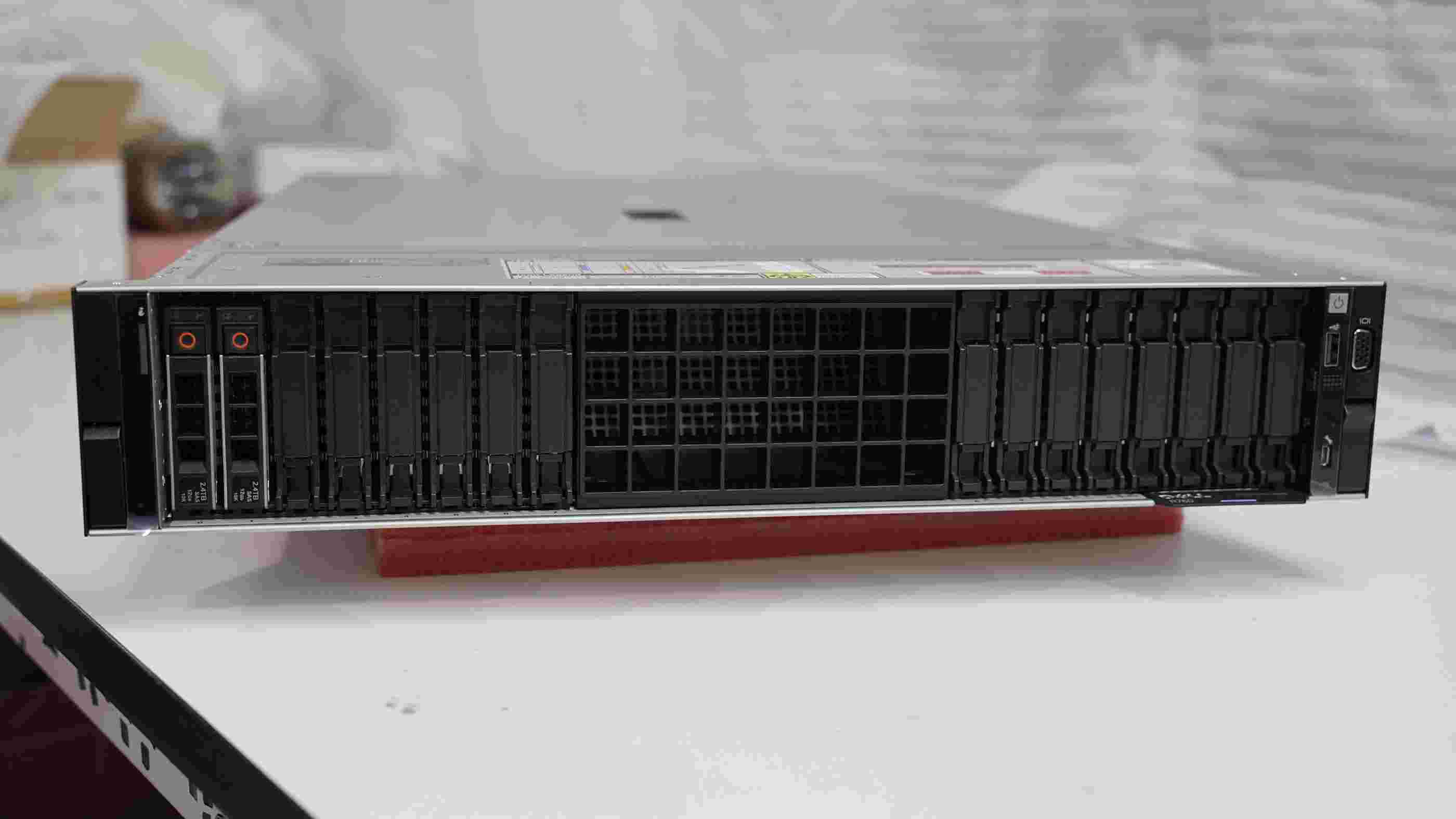
Leveraging high-density SFP+ cages and thermal heat sinks to maximize optical port counts in compact 1U edge computing chassis.
Utilizing 10G BiDi SFP+ modules over single-mode fibers to support telecom backhaul distances up to 80km–100km with minimal infrastructure.
A professional optical transceiver manufacturer established in 2016, providing stable, high-performance connectivity solutions.
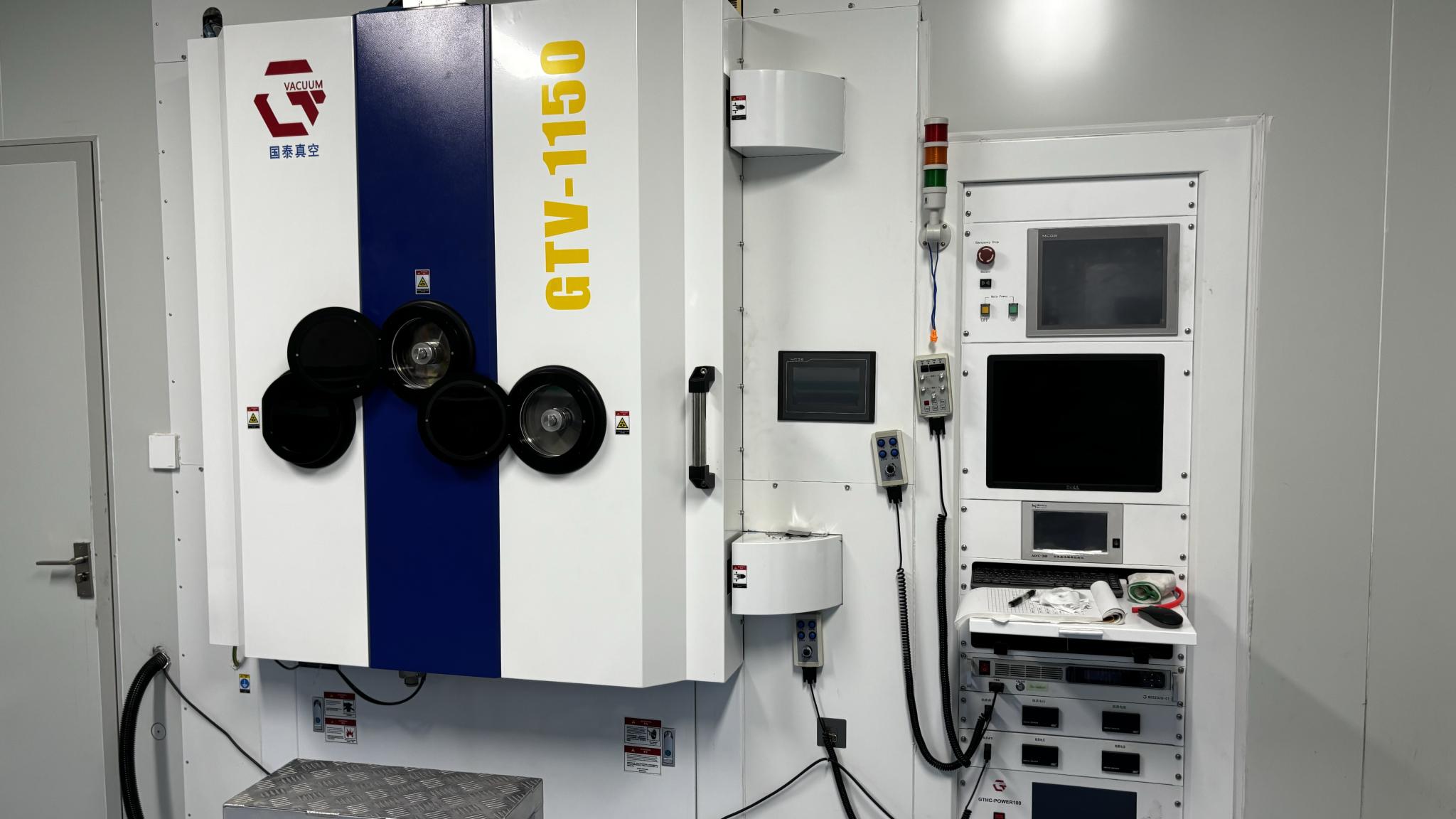
FiberNova Optical Communication Tech Co., Ltd. (FiberNovaTransceivers.com) is an industry-leading manufacturer focused on high-speed optical communication solutions. With over 6 years of export experience and 12 years of industry expertise, FiberNova serves global telecom operators, data center integrators, and network equipment distributors.
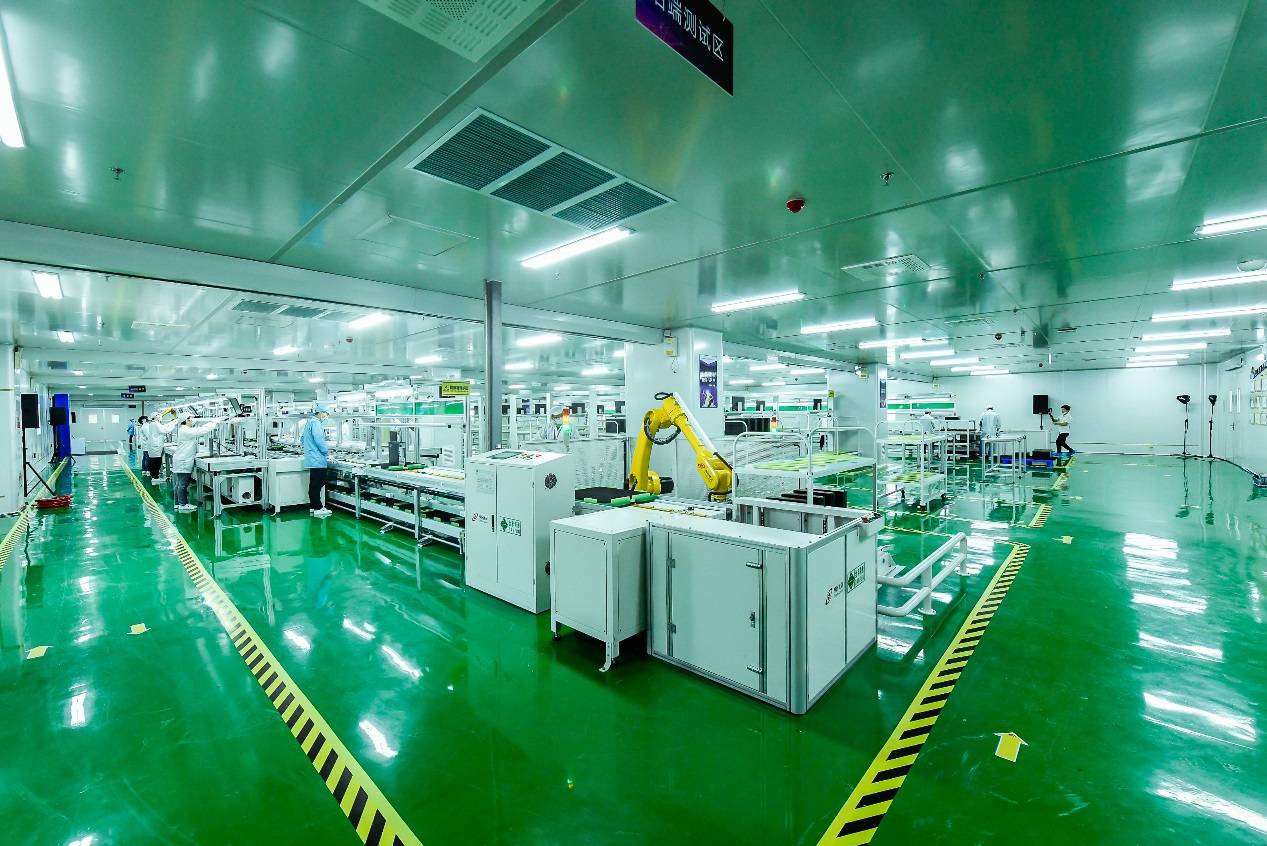
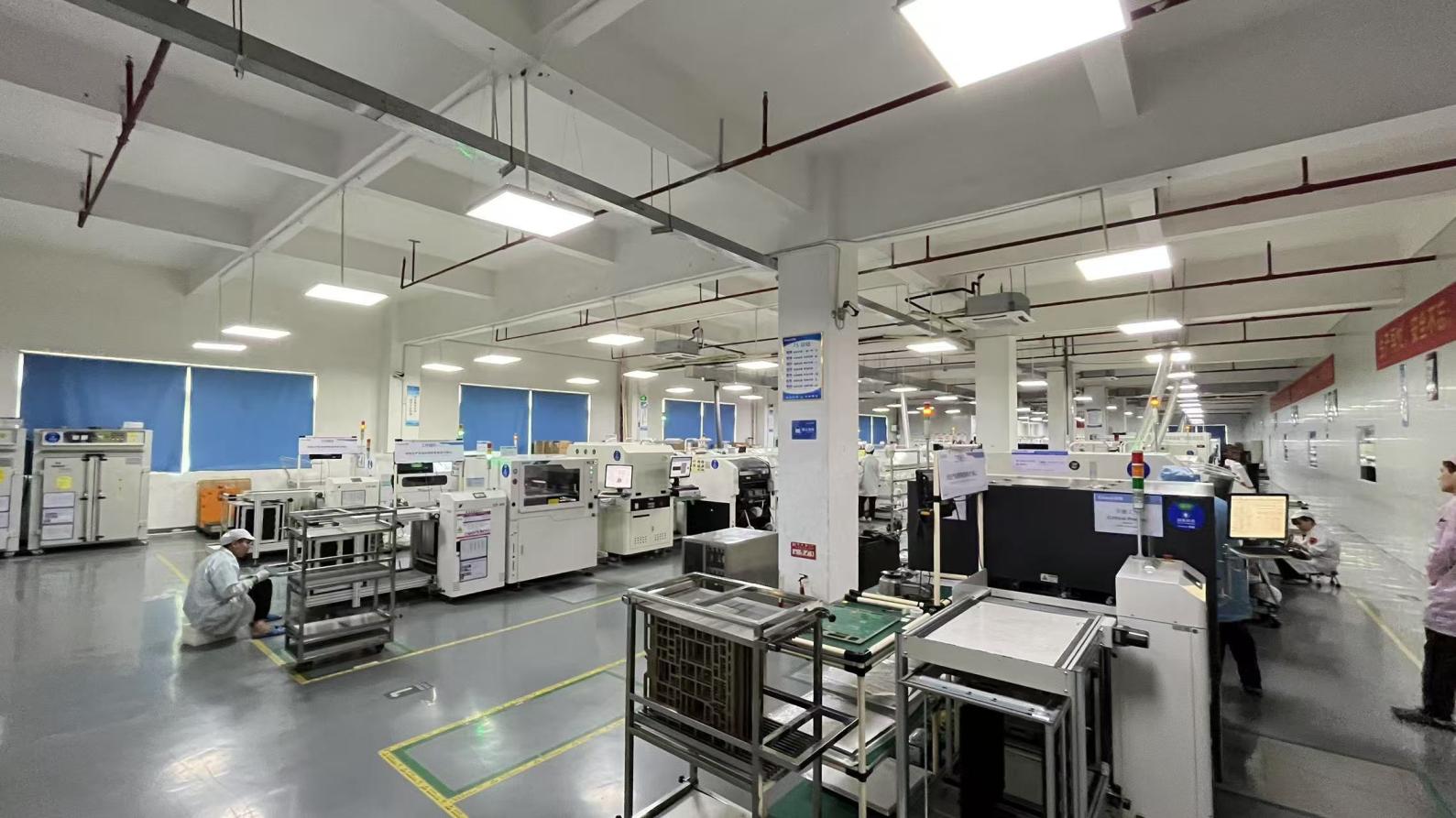
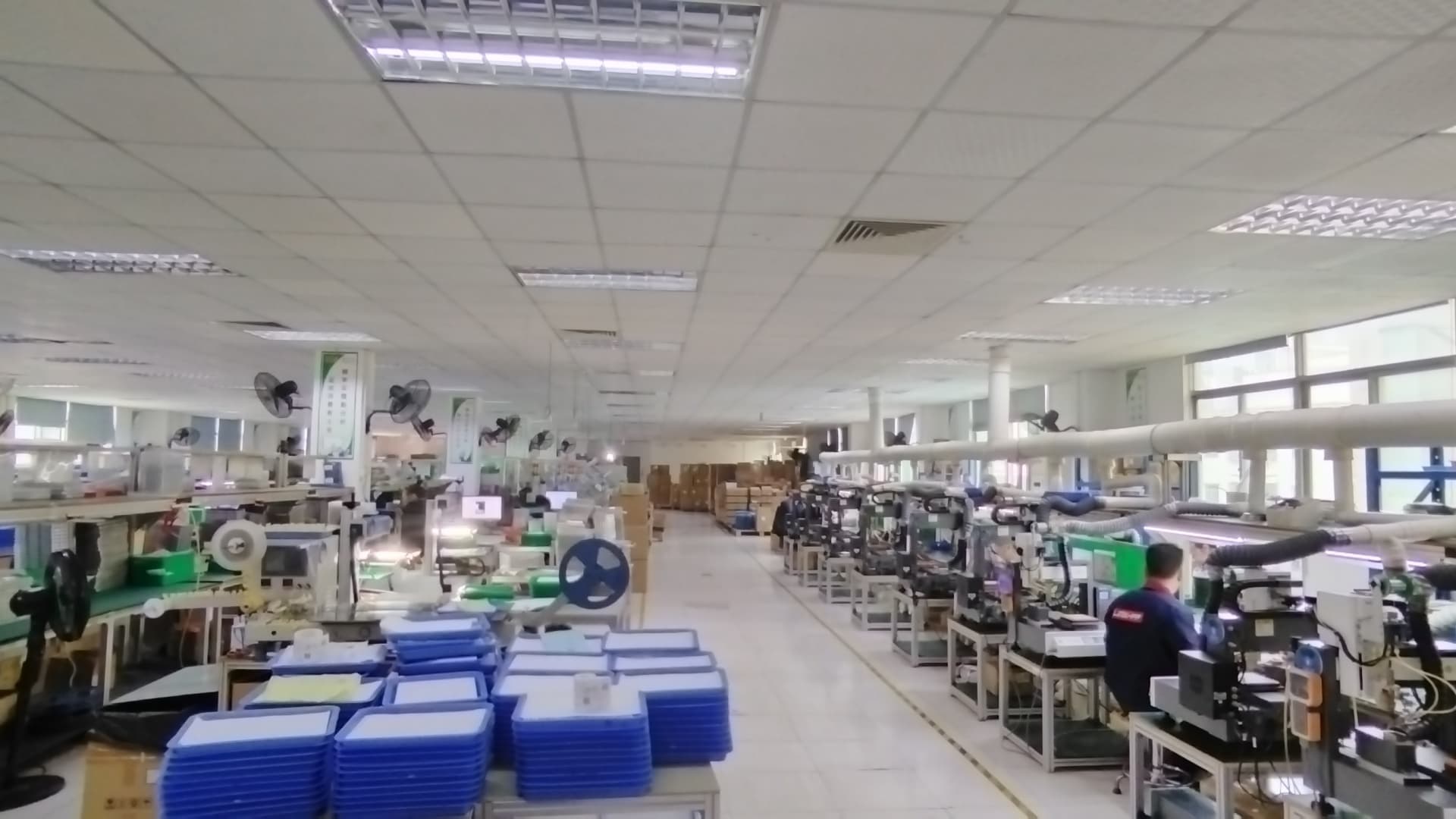
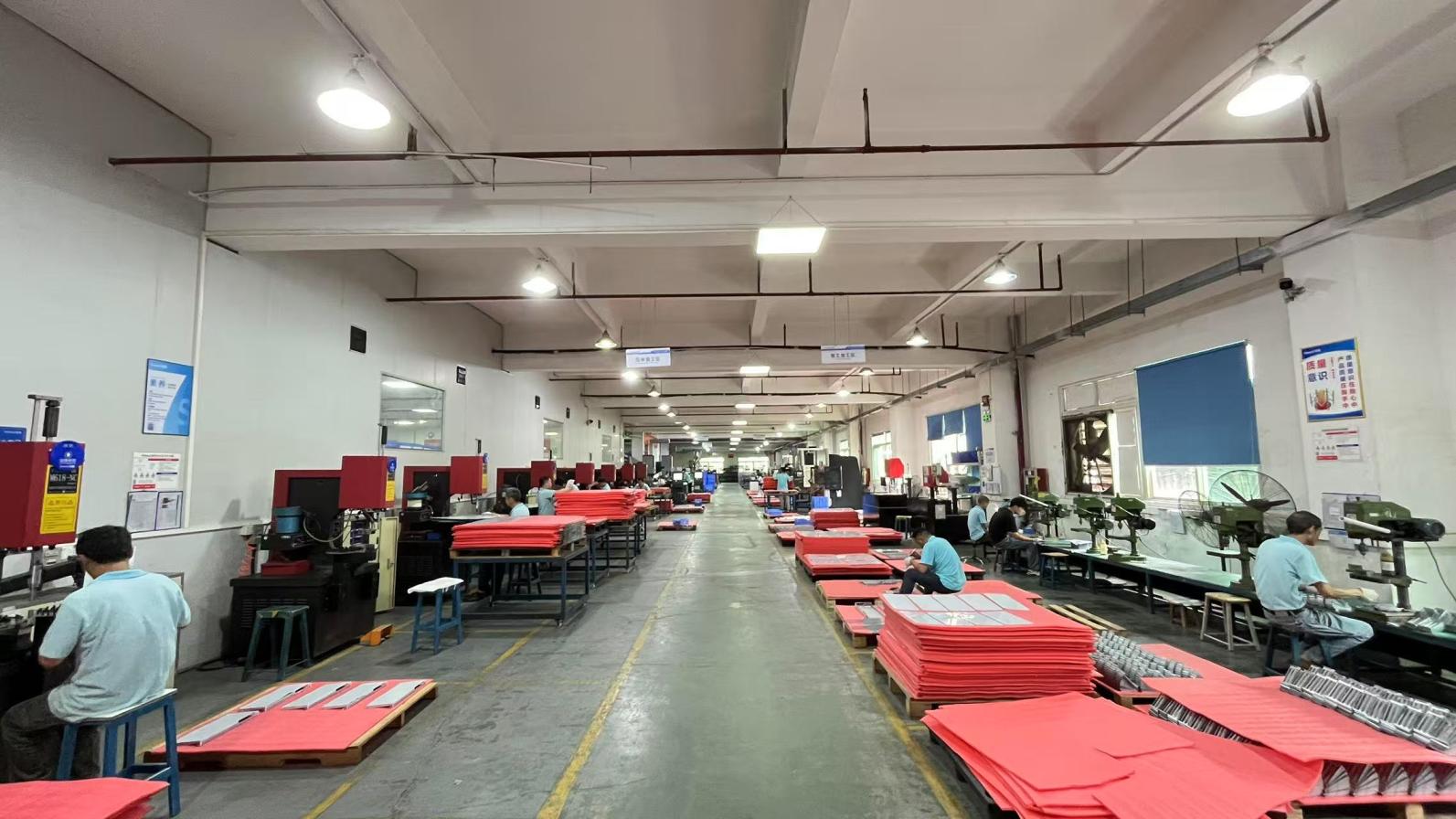
The company maintains a modern production facility covering approximately 380㎡, achieving an annual export revenue of USD 8–15 million. FiberNova's primary export markets include the United States, Germany, Japan, South Korea, and the United Arab Emirates, built on long-term partnerships with more than 1,200 supply chain partners.
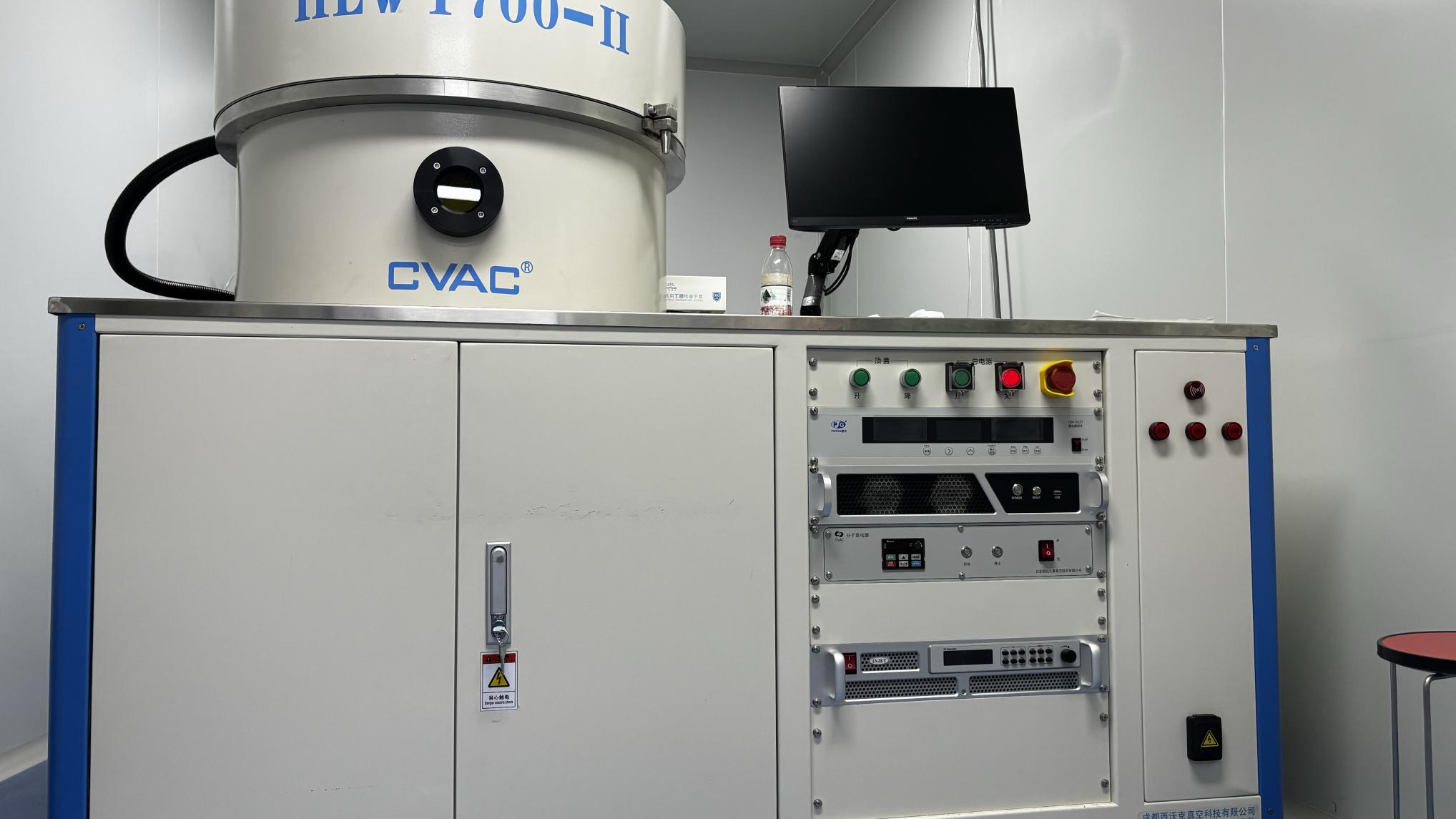
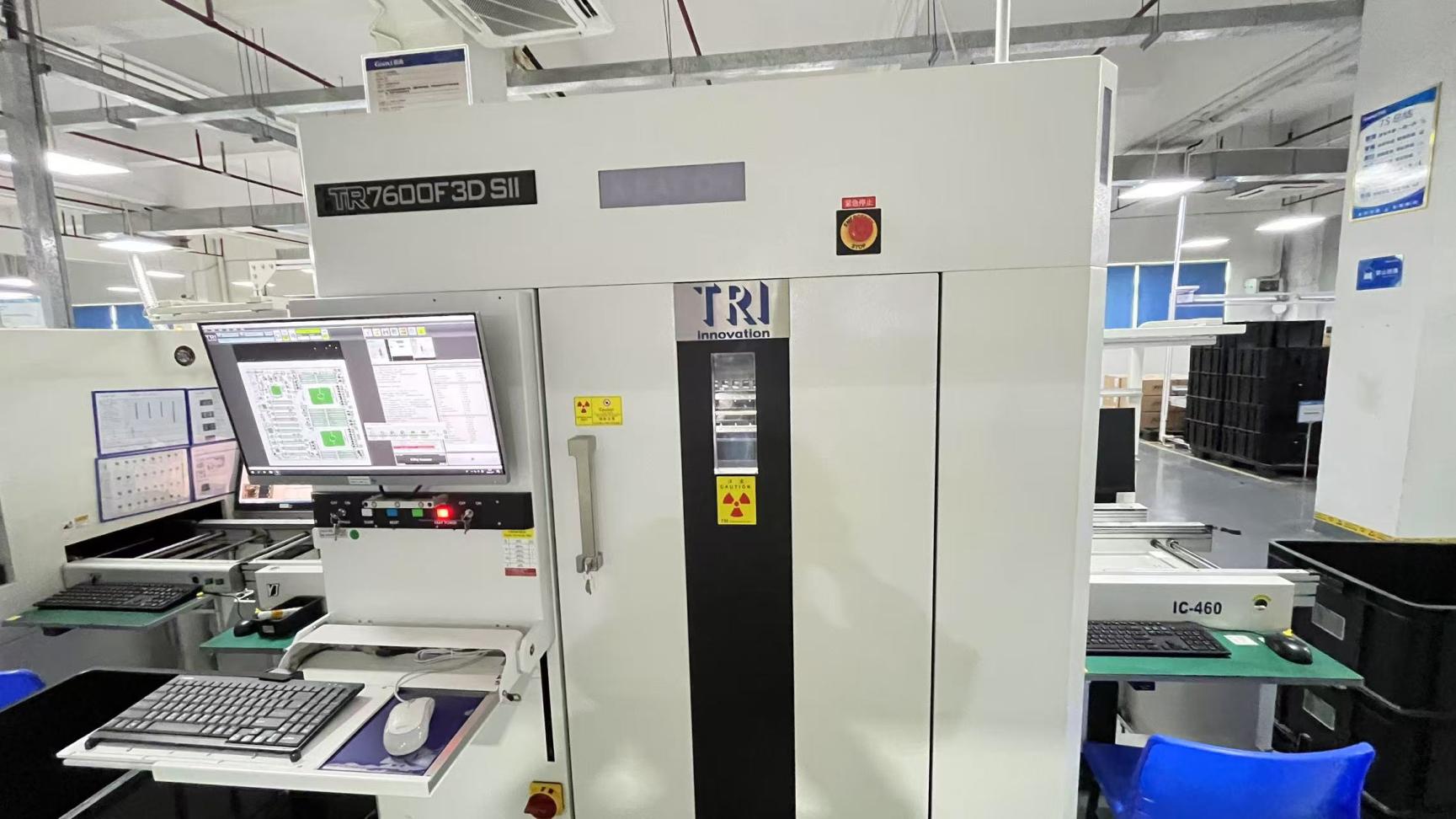
To ensure high quality, FiberNova operates a strict QC system run by 45 professional QC staff. Testing protocols include 100% optical performance testing, temperature cycling, and signal integrity inspection before shipment.
Backed by 65 R&D engineers, FiberNova continuously innovates in high-speed transmission technologies across 10G, 25G, 100G, 400G, and 800G form factors. The company supports complete customization (OEM/ODM), including wavelength tuning, protocol compatibility, customized housing, and branding. Last year alone, FiberNova launched approximately 120 new products to meet changing market demands.
Modern telecommunications networks are transitioning toward hyper-converged, low-latency architectures. To meet these demands, the next generation of enterprise wireless routers will integrate transceivers directly into the core processor fabric. This approach, known as Co-Packaged Optics (CPO), significantly reduces power consumption and heat output, addressing the major operational bottlenecks of dense data centers.
Additionally, copper interfaces are evolving to support 25GBASE-T and 40GBASE-T, requiring tighter manufacturing tolerances for RJ45 connectors and integrated magnetics. FiberNova is actively designing advanced solutions to support these next-generation speeds, helping network integrators future-proof their network architectures.
Technical answers to key questions about physical-layer networking components and supplier sourcing.
 FiberNova